Welcome to the United Nations
    • العربية
    • 中文
    • English
    • Français
    • Deutsch
    • Kreyòl
    • Bahasa Indonesia
    • Italiano
    • Polski
    • Русский
    • Español
UN logo Peace, dignity and equality
on a healthy planet

Search the United Nations

A-Z Site Index
Live now
  • About Us »
    • About Us
    • Member States
    • Main Bodies
    • Secretary-General
    • Secretariat
    • UN System
    • History
    • Emblem and Flag
    • UN Charter
    • UDHR
    • ICJ Statute
    • Nobel Peace Prize
  • Our Work »
    • Our Work
    • Peace and Security
    • Human Rights
    • Humanitarian Aid
    • Sustainable Development and Climate
    • International Law
    • Global Issues
    • Documents
    • Official Languages
    • Observances
  • Events and News
  • Get Involved
A close-up of a hand reaching toward a digital microphone icon surrounded by colorful soundwave patterns stretching horizontally across the image.
Communication and Mass Media

AI is a tool, not a voice

See More

Radio is evolving thanks to artificial Intelligence (AI), enhancing its core mission of informing, educating, and entertaining. By automating tasks like scheduling and updates, stations can focus more on creativity. AI also provides deeper audience insights and personalized experiences, while maintaining trust through fact-checking and content quality. However, broadcasters must adopt a thoughtful strategy for responsible AI use, including ethical policies and privacy protection. World Radio Day 2026 (13 February) encourages stations to embrace AI for growth and innovation, while preserving the human touch that listeners value.

If used responsibly, AI can be a valuable ally in building trust with audiences.
Photo:Adobe Stock/ Nirusmee
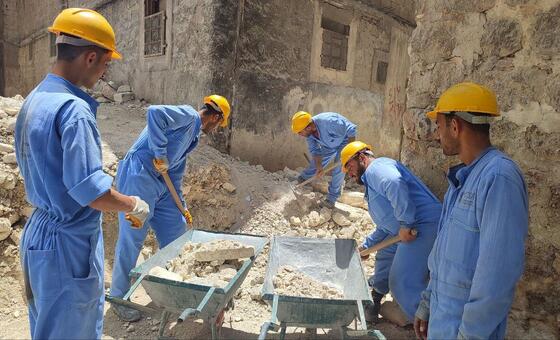
A group of workers remove rubble from a damaged neighbourhood in Syria.

Syria transition gains ground with Kurdish deal, but violence and humanitarian strain persist

13 February 2026 — Syria’s fragile political transition has gained fresh momentum with a landmark agreement between Damascus and Kurdish authorities in the northeast, but renewed violence in the...

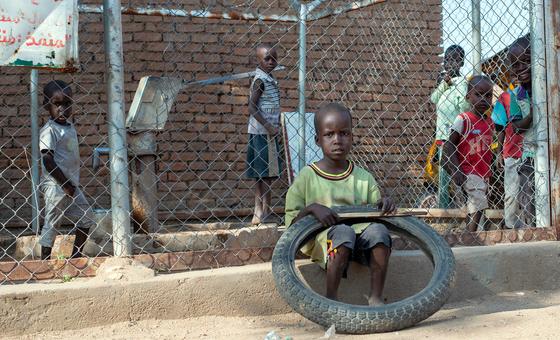
Many Sudanese families have fled fighting in El Fasher and are now living in a camp for displaced people in Zalingi in western Darfur.

‘Like a scene out of a horror movie’: UN report warns of war crimes in Sudan’s El Fasher

13 February 2026 — Paramilitary forces in Sudan unleashed “a wave of intense violence…shocking in its scale and brutality” during their final offensive to capture the besieged city of El Fasher...

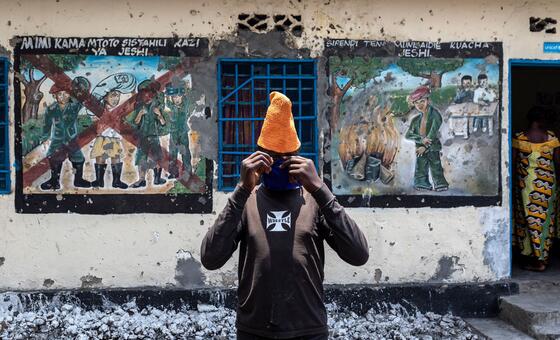
A former child soldier adjusts his face mask at a UNICEF-supported transit center for children in Goma, in the DR Congo.

Protecting children in war is key to lasting peace, top UN envoy warns

12 February 2026 — After three decades of its mandate to protect children caught up in war, the UN’s top advocate on the issue is determined to remind the world that prevention and protection go...

UN Sustainable Development Goals

17 Goals to transform our world

The Sustainable Development Goals are a call for action by all countries — poor, rich and middle-income — to promote prosperity while protecting the planet.

hands holding megaphone and speech bubble

ActNow Campaign

The Goals can improve life for all of us. Cleaner air. Safer cities. Equality. Better jobs. These issues matter to everyone. But progress is too slow. We have to act, urgently, to accelerate changes that add up to better lives on a healthier planet. Find new inspiring actions on the app and at un.org/actnow.

Act Now for a Peaceful World

Today, half the world is under 30, and this generation is a powerful force for peace. The UN "Hear Us. Act Now for a Peaceful World" campaign, launched on the International Day of Peace, aims to include, invest in, and partner with young people to build lasting peace. 

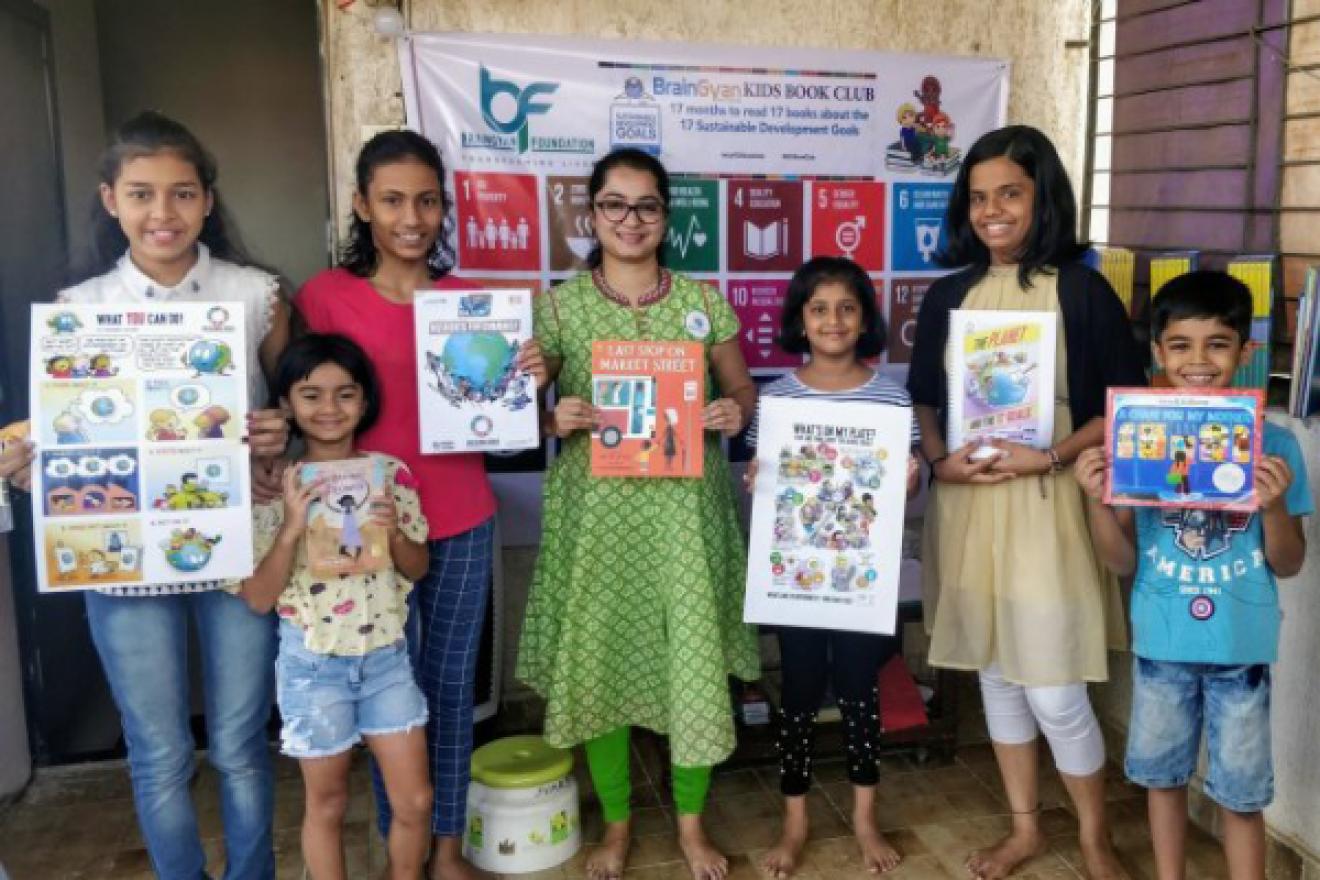
children holding up books

SDG Book Club

Reading and learning are essential to children’s growth and development; stories can fuel their imagination and raise awareness of new possibilities. The SDG Book Club aims to encourage them to learn about the Goals in a fun, engaging way, empowering them to make a difference.

goal 1: no poverty icon with silhouettes of people with children

Goal of the month 1

 
Goal 1: No Poverty

End poverty in all its forms everywhere.

More about the UN Sustainable Development Goals

More from the
United Nations

Featured stories from across the United Nations and our world-wide family of agencies, funds, and programmes.

A girl standing in a laboratory, wearing protective lab glasses and looking toward the camera. Women and Gender Equality

Inspiring girls to pursue science

Science, technology, engineering, and mathematics (STEM) are vital for sustainable development, yet women and girls continue to face barriers to entering these fields, with only 35% of STEM graduates being female. UNESCO promotes gender equality in education by enhancing girls' access to quality STEM learning, improving teacher training, and supporting mentorship programs. By advocating for inclusive policies and celebrating women in science, UNESCO aims to challenge stereotypes and eliminate persistent obstacles. The International Day of Women and Girls in Science highlights these issues, featuring voices like Biology and chemistry teacher Edinah Nyakondi and her students from Kenya.

A collage of pictures depicting maritime activity. IMO

Empowering maritime excellence with a two-year action plan

The International Maritime Organization (IMO) has launched a two-year initiative focusing on the 2026-2027 World Maritime Day theme: ‘From Policy to Practice: Powering Maritime Excellence’. At the launch, IMO Secretary-General Arsenio Dominguez highlighted the need for a practical approach that impacts seafarers and port workers globally. The campaign aims to address gaps in national enforcement of maritime regulations, focusing on nine pillars, including capacity development and tailored support for Small Island Developing States and Least Developing Countries. Member States are encouraged to host related activities and share their results on social media using #WorldMaritimeDay.

A close-up of a hand holding a plate of chickpeas. Agriculture and Food

The pulse of Lebanon

Marie Therese Zeidan, a farmer in Lebanon’s Bekaa region, symbolizes renewed hope for the future of chickpea production, a staple in Lebanese cuisine. While local production struggles to meet demand, the Food and Agriculture Organization’s (FAO) One Country One Priority Product initiative aims to revive the sector through improved seed access, farmer training, and improved agronomic practices. Farmers are learning sustainable techniques, including winter chickpea varieties that boost yields. The initiative has trained over 520 farmers and created new chickpea products to enhance market potential, reinforcing local production's role in food security.

A group of three school girls.
SDG 4: Quality Education, UNHCR

Girls return to classrooms in Sudan

In Sudan’s White Nile State, the reopening of a rehabilitated secondary school is restoring hope and education to hundreds of displaced and local girls after years of conflict.

A baby in a neonatal care unit under ultraviolet treatment.
Health Interventions, UNFPA

Delivering babies in darkness

Amid freezing temperatures and repeated power outages, Kyiv doctors continue performing life-saving Caesarean sections, relying on backup systems and resilience to protect mothers and newborns.

A tradesman at a beach shoreline.
Economic Development, UNCTAD

Services growth fails to deliver

UNCTAD’s 2025 report warns that service growth in least developed countries is limited by low productivity, weak digital capacity, and insufficient job creation, restricting broad-based prosperity.

An aerial view of Aden's, Yemen infrastructure.
SDG 9: Industry, Innovation and Infrastructure, UNOPS

New roads revive Aden’s lifeline

In Aden, UNOPS-rehabilitated roads funded by Japan are restoring critical access to services and humanitarian aid, cutting travel times and reconnecting nearly 200,000 people to opportunity and essential support.

More from the United Nations

What we do

Due to the powers vested in its Charter and its unique international character, the United Nations can take action on the issues confronting humanity in the 21st century, including:

  • Maintain international peace and security
  • Protect human rights
  • Deliver humanitarian aid
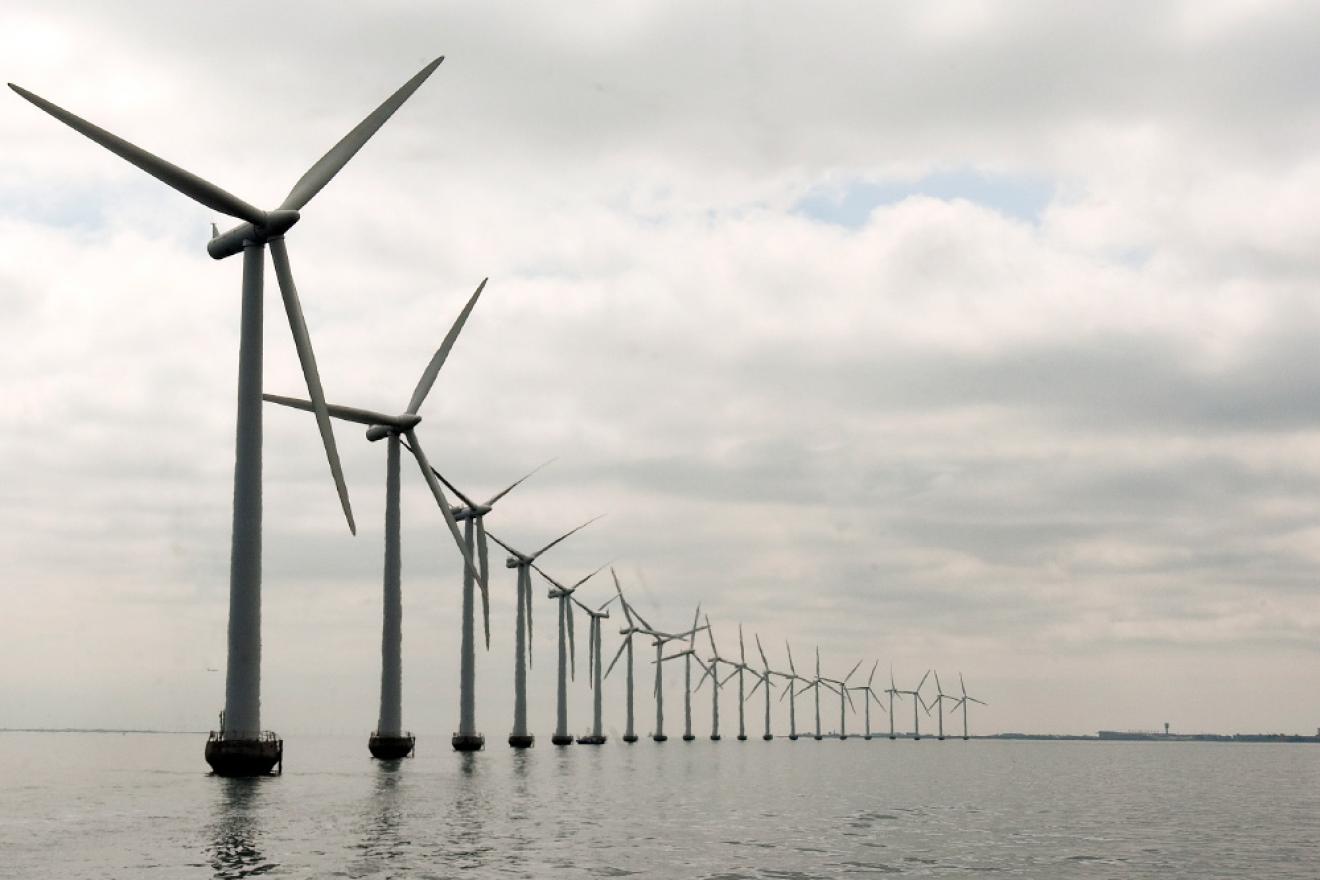
  • Promote sustainable development
  • Uphold international law
A UNIFIL peacekeeper from Spain on a regular patrol in the vicinity of Al Wazzani, south-eastern Lebanon as the sun sets in the horizon. Since 1948, more than a million women and men have served as UN peacekeepers.

Maintain International Peace and Security

The United Nations came into being in 1945, following the devastation of the Second World War, with one central mission: the maintenance of international peace and security. The UN does this by working to prevent conflict; helping parties in conflict make peace; peacekeeping; and creating the conditions to allow peace to hold and flourish. These activities often overlap and should reinforce one another, to be effective. The UN Security Council has the primary responsibility for international peace and security. The General Assembly and the Secretary-General play major, important, and complementary roles, along with other UN offices and bodies.

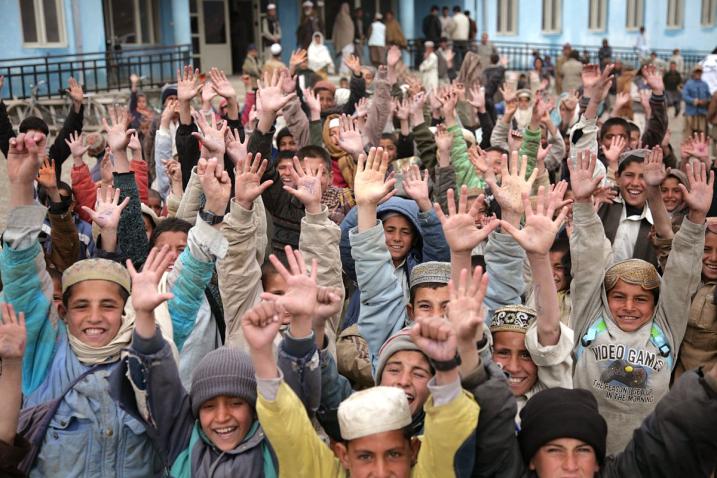
Students at Butkhak High School in Kabul, Afghanistan, cheer in unison on the last day of Global Action Week, an international campaign advocating free, quality education for all.

Protect Human Rights

The term “human rights” was mentioned seven times in the UN's founding Charter, making the promotion and protection of human rights a key purpose and guiding principle of the Organization.  In 1948, the Universal Declaration of Human Rights brought human rights into the realm of international law.  Since then, the Organization has diligently protected human rights through legal instruments and on-the-ground activities.

A child has a meal at a food distribution centre in the Rwanda camp for internally displaced persons (IDPs), near Tawila, North Darfur. More than 8,000 women and children living in the camp benefit from nutrition programmes run by the World Food Programme

Deliver Humanitarian Aid

One of the purposes of the United Nations, as stated in its Charter, is "to achieve international co-operation in solving international problems of an economic, social, cultural, or humanitarian character."  The UN first did this in the aftermath of the Second World War on the devastated continent of Europe, which it helped to rebuild.  The Organization is now relied upon by the international community to coordinate humanitarian relief operations due to natural and man-made disasters in areas beyond the relief capacity of national authorities alone.

Grace, a farmer from Kipilat village, and a leading member of the forest community in Ainabkoi, Kenya, planting a tree in 2012.

Promote Sustainable Development

From the start in 1945, one of the main priorities of the United Nations was to “achieve international co-operation in solving international problems of an economic, social, cultural, or humanitarian character and in promoting and encouraging respect for human rights and for fundamental freedoms for all without distinction as to race, sex, language, or religion.”  Improving people’s well-being continues to be one of the main focuses of the UN. The global understanding of development has changed over the years, and countries now have agreed that sustainable development offers the best path forward for improving the lives of people everywhere.

The International Court of Justice (ICJ) delivers its order on the request for the indication of provisional measures filed by Nicaragua on 11 October 2013 in the case concerning Construction of a Road in Costa Rica along the San Juan River.

Uphold International Law

The UN Charter, in its Preamble, set an objective: "to establish conditions under which justice and respect for the obligations arising from treaties and other sources of international law can be maintained."  Ever since, the development of, and respect for international law has been a key part of the work of the Organization.  This work is carried out in many ways - by courts, tribunals, multilateral treaties - and by the Security Council, which can approve peacekeeping missions, impose sanctions, or authorize the use of force when there is a threat to international peace and security, if it deems this necessary.  These powers are given to it by the UN Charter, which is considered an international treaty.  As such, it is an instrument of international law, and UN Member States are bound by it.  The UN Charter codifies the major principles of international relations, from sovereign equality of States to the prohibition of the use of force in international relations.

Structure of the
United Nations

The main parts of the UN structure are the General Assembly, the
Security Council, the Economic and Social Council, the Trusteeship Council, the International Court of Justice, and the UN Secretariat. All were established in 1945 when the UN was founded.

General Assembly

The General Assembly is the main deliberative, policymaking and representative organ of the UN. All 193 Member States of the UN are represented in the General Assembly, making it the only UN body with universal representation.

Security Council

The Security Council has primary responsibility, under the UN Charter, for the maintenance of international peace and security. It has 15 Members (5 permanent and 10 non-permanent members). Each Member has one vote. Under the Charter, all Member States are obligated to comply with Council decisions.

Economic and Social Council

The Economic and Social Council is the principal body for coordination, policy review, policy dialogue and recommendations on economic, social and environmental issues, as well as implementation of internationally agreed development goals.

Trusteeship Council

The Trusteeship Council was established in 1945 by the UN Charter, under Chapter XIII, to provide international supervision for 11 Trust Territories that had been placed under the administration of seven Member States, and ensure that adequate steps were taken to prepare the Territories for self-government and independence.

International Court of Justice

The International Court of Justice is the principal judicial organ of the United Nations. Its seat is at the Peace Palace in the Hague (Netherlands). It is the only one of the six principal organs of the United Nations not located in New York (United States of America).

Secretariat

The Secretariat comprises the Secretary-General and tens of thousands of international UN staff members who carry out the day-to-day work of the UN as mandated by the General Assembly and the Organization's other principal organs.

More about the structure of the United Nations

Learn more

Podium of the General Assembly Hall seen from below with the gold wall and the golden UN logo behind

Selecting the next Secretary-General

On 25 November 2025, the President of the General Assembly and the President of the Security Council initiated the process of selecting and appointing the next Secretary-General. Candidates are nominated by a Member State or a group of Member States. Learn more about the multi-step selection and appointment process of the next United Nations Secretary-General.

Climate Change

Climate change is the defining issue of our time and now is the defining moment to do something about it. There is still time to tackle climate change, but it will require an unprecedented effort from all sectors of society.

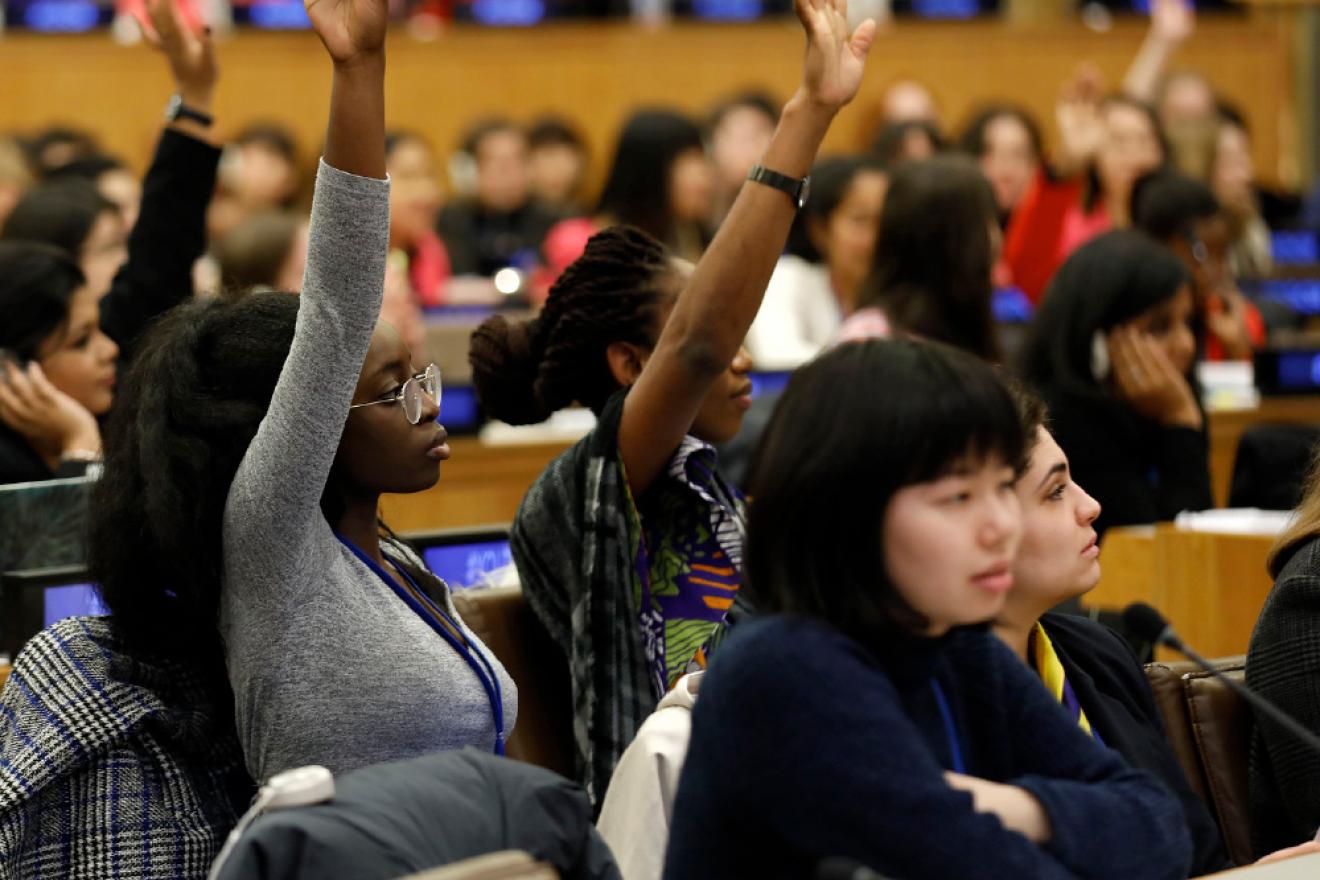
Women at UN CSW63 Side Event - “Take the Hot Seat”. Photo: UN Women/Ryan Brown

Gender Equality

Women and girls represent half of the world’s population and, therefore, also half of its potential. Gender equality, besides being a fundamental human right, is essential to achieve peaceful societies, with full human potential and sustainable development.

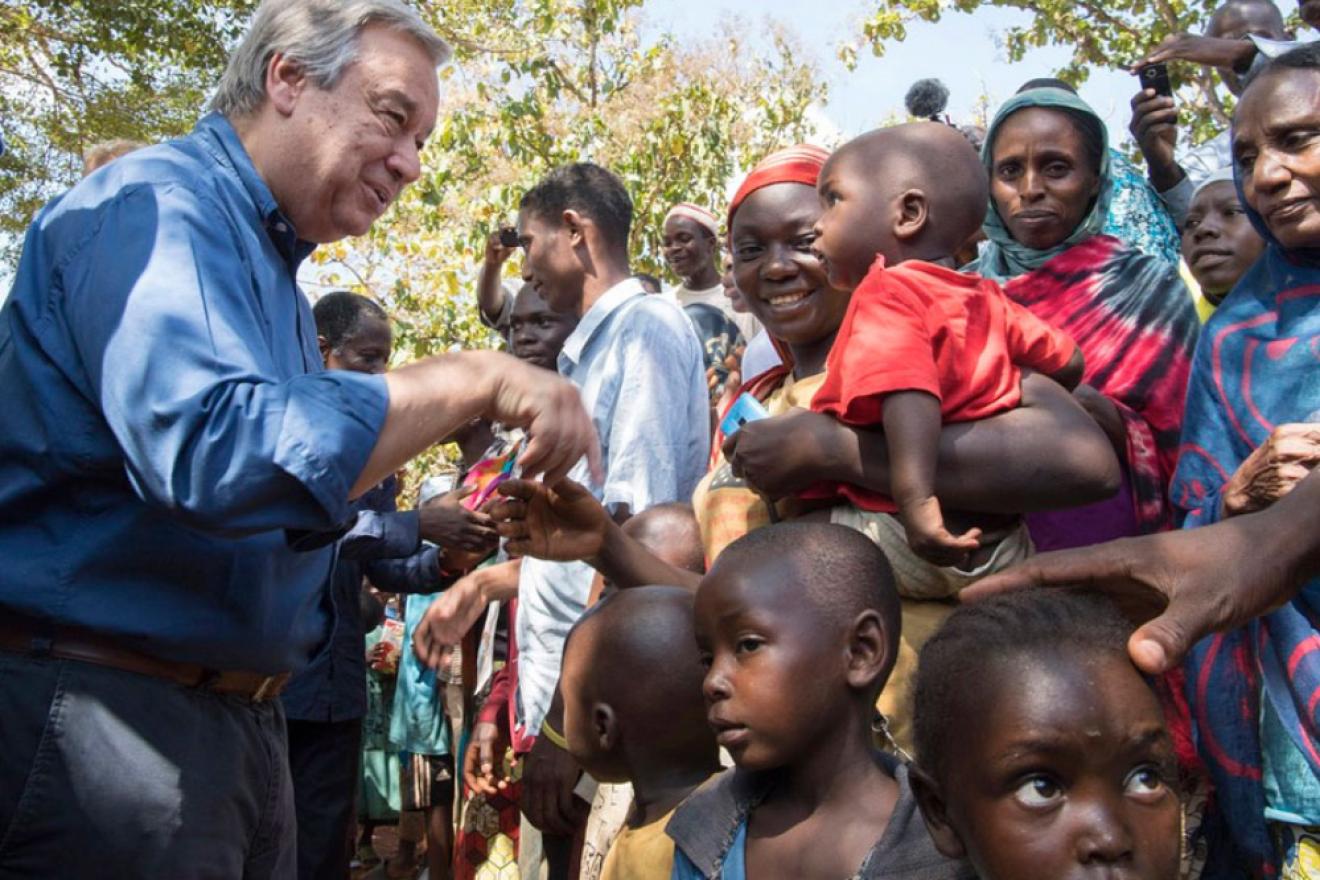
UN Secretary-General António Guterres is greeted on his visit to the Central African Republic

Ending Poverty

While global poverty rates have been cut by more than half since 2000, one in ten people in developing regions still lives on less than US$1.90 a day — the internationally agreed poverty line, and millions of others live on slightly more than this daily amount.

Did you know?

As the world’s only truly universal global organization, the United Nations has become the foremost forum to address issues that transcend national boundaries and cannot be resolved by any one country acting alone.

122.6 million people were forcibly displaced worldwide at the end of June 2024.

Find out more in

Global Issues:
Refugees

By 2030, approximately 6 out of 10 people worldwide will reside in urban areas.

Find out more in

Global Issues:
Human Settlements

The United States, China and France were the top three nuclear power producers in 2023.

Find out more in

Global Issues:
Atomic Energy

In contemporary conflicts, up to 90 per cent of casualties are civilians.

Find out more in

Global Issues:
Peace and Security

Watch and Listen

Video and audio from across the United Nations and our world-wide family of agencies, funds, and programmes.

What do young people think of social media and AI?

Your online feed can entertain, educate, or expose children to content they should never see.

From Brazil, the USA, and Kenya, UNICEF Youth Advocates Juliana, Elmar, and Precious share their experiences growing up online and their vision for a safer internet.

How the UN Is using Artificial Intelligence

Across the United Nations system, Artificial Intelligence is helping anticipate food insecurity, strengthen humanitarian response, protect oceans and promote more equitable work opportunities in support of the Sustainable Development Goals.

From child labourer to skills trainer

As a child helping his family make shoes, Jestoni Go Padua later became a school instructor, now empowering young people with skills for decent work and a better future.

UN Podcasts

A person walks up a wooden ladder, balancing a bundle on their head. Another stands beside the stack, while someone works near the ladder's base.

Global employment in 2026: A fragile stability

In a new episode of the Future of Work podcast, we unpack the International Labour Organization’s new Employment and Social Trends 2026 report with its lead author, Stefan Kühn, and ILO trade expert Marva Corley. Together, they explore why labour markets look stable yet remain fragile – and what this means for job quality, inequality, and the future of work.

Your browser does not support the audio element.
Latest Audio from UN News
More live and on-demand videos from the UN

The United Nations in Pictures

Images from across the United Nations and our world-wide family of agencies, funds, and programmes.

Woman holding a farmer's tool is wearing a colorful veil-dress
Photo:©UNDP Nigeria

Taking climate action forward

When it comes to climate action, major emitters receive prominent coverage. But there’s another story, less often told, that deserves attention. At the United Nations Development Programme (UNDP), over the past decade, we have been working hand in hand with over 90 percent of all developing countries on advancing local and national climate action. Here are some highlights from 2025.

massai men dressed in red cloth some of them are jumping
Photo:©UNFPA/Sarah Waiswa

Redefining manhood

One Kenyan man is breaking tradition to stand up for girls - nearly 30 years ago, a student asked Patrick Ngigi for help and this changed the direction of his life. “In 1997, I was working as a head teacher when a girl came to me and pleaded for help [...] I took her to my mother’s house because we didn’t have any rescue centres available. That is how the Mission with a Vision rescue centre began.” The United Nations Population Fund (UNFPA) supports this and other prevention initiatives. 

See more UN photos

Main Bodies

  • General Assembly
  • GA President
  • Security Council
  • SC President
  • Economic and Social Council
  • ECOSOC President
  • Trusteeship Council
  • International Court of Justice
  • Secretariat
  • Secretary-General

Departments / Offices

  • New York
  • Geneva
  • Nairobi
  • Vienna
  • UN System Directory
  • UN System Chart
  • Global Leadership
  • UN Information Centres

Resources / Services

  • Emergency information
  • Reporting Wrongdoing
  • UN Journal
  • Documents
  • Guidelines for gender-inclusive language
  • Databases
  • Library
  • UN iLibrary
  • UN Chronicle
  • UN Yearbook
  • Bookshop
  • Publications for sale
  • Maps
  • Media Accreditation
  • NGO accreditation at ECOSOC
  • NGO accreditation at DGC
  • Visitors’ services
  • Exhibits
  • Procurement
  • Employment
  • Internships
  • Model UN
  • Academic Impact
  • UN Archives
  • UN Audiovisual Library
  • How to donate to the UN System
  • Information on COVID-19 (Coronavirus)
  • Africa Renewal
  • Ten ways the UN makes a difference
  • GA High-level Week 2025

Key Documents

  • UN Charter
  • Universal Declaration of Human Rights
  • Convention on the Rights of the Child
  • Statute of the International Court of Justice
  • Annual Report of the Secretary-General on the Work of the Organization

News and Media

  • News
  • Press Releases
  • Briefings
  • Spokesperson
  • Photos
  • UNIfeed
  • UN Web TV
  • UN Video
  • Social Media
  • The Essential UN
  • Awake at Night podcast
  • The United Nations Pulse

Issues / Campaigns

  • Global Issues
  • Observances
  • Sustainable Development Goals
  • Our Common Agenda
  • The Summit of the Future
  • Pact for the Future
  • Climate Action
  • Peace and Security
  • Action for Peacekeeping (A4P)
  • Global Crisis Response Group
  • Call to Action for Human Rights
  • Disability Inclusion Strategy
  • Fight Racism
  • Hate Speech
  • LGBTIQ+ People
  • Safety of Journalists
  • Rule of Law
  • Action to Counter Terrorism
  • Victims of Terrorism
  • Children and Armed Conflict
  • Violence Against Children (SRSG)
  • Sexual Violence in Conflict
  • Refugees and Migrants
  • Action Agenda on Internal Displacement
  • Spotlight Initiative
  • Preventing Sexual Exploitation and Abuse
  • Prevention of Genocide and the Responsibility to Protect
  • 1994 Genocide against the Tutsi in Rwanda
  • The Holocaust
  • The Question of Palestine
  • The Transatlantic Slave Trade
  • Decolonization
  • Messengers of Peace
  • Roadmap for Digital Cooperation
  • Digital Financing Task Force
  • Data Strategy
  • Information Integrity
  • Countering Disinformation
  • UN80 Initiative
United Nations
Donate
  • facebook
  • twitter
  • youtube
  • flickr
  • instagram
  • A-Z Site Index
  • Contact
  • Copyright
  • FAQ
  • Fraud Alert
  • Privacy Notice
  • Terms of Use