
Editorial Board
Editorial Board Members work closely with our in-house editors to ensure that all manuscripts are subject to the same editorial standards and journal policies. Our Editorial Board Members are active researchers recognized as experts in their field, and handle manuscripts within their broad areas of expertise. They oversee all aspects of the peer review process from submission to acceptance, including finding and inviting reviewers and corresponding with authors and reviewers.
Learn more about our Editorial Board Members below. For past members of our Editorial Board, please see our Editorial Board Alumni page.
Interested in joining the editorial board?
If you are interested in becoming an Editorial Board Member for Communications Earth & Environment, please complete this form. If you are unable to use the form, you may contact us with your CV and/or link to your institutional webpage, the subject areas you would like to cover for the journal, and a brief statement about why you are interested in an editorial board member position. Please note that your personal information, including name and email address, will be kept by the in-house editors for the sole purpose of identifying potential editorial board members. If you would like us to delete your information at any time, please contact us.
Editorial Board Members by subject area
Learn more about our Editorial Board Members below.
Atmospheric chemistry & aerosols
Section Lead - Kerstin Schepanski
- Haoyu Jiang
- Zijun Li
- Fobang Liu
- Theodora Nah
- Sagar Parajuli
- Prabir Patra
- Yinon Rudich
- Kerstin Schepanski
- Kalliopi Violaki
- Nora Zannoni
Agriculture & food systems
Climate science
- Akintomide Akinsanola
- Stefano Brighenti
- Dan Fu
- Chao He
- Zhongjing Jiang
- Mengze Li
- Yingjie Li
- Yongqiang Liu
- Min-Hui Lo
- Monika Markowska
- Joy Merwin Monteiro
- Seung-Ki Min
- Hui Su
- Sylvia Sullivan
- Kunhui Ye
- Kyung-Sook Yun
- Yang Zhou
Coastal science
Section Lead - Christopher Cornwall
- Christopher Cornwall
- Olusegun Dada
- Nicole Khan
- Danial Khojasteh
- Nezha MEJJAD
- Adam Switzer
- Jennifer Veitch
- Yang Yang
- Claudia Zoccarato
Deep Earth & planetary science
Energy & resources
- Ayat-Allah Bouramdane
- Vaibhav Chaturvedi
- Franziska M. Hoffart
- I-Yun Lisa Hsieh
- Sadia Ilyas
- Pallav Purohit
- Alessandro Rubino
- Ta yeong wu
Geochemistry and Petrology
Section Lead - Mojtaba Fakhraee
- Kai Deng
- Mojtaba Fakhraee
- Evan Hastie
- Pilar Madrigal
- Céline Martin
- Lucia Pappalardo
- Yuan Shang
- Holly Stein
- Santiago Tassara
- Feifei Zhang
Geophysics and Geodynamics
- Maria-Laura Balestrieri
- Sylvain Barbot
- Luca Dal Zilio
- Domenico M. Doronzo
- Vasiliki Mouslopoulou
- Adriana Paluszny
- Gareth Roberts
- Afroz Ahmad Shah
- Mara Monica Tiberti
- Sébastien Valade
- Carlos Alberto Vargas Jiménez
- Teng Wang
- J. Kim Welford
- Zhendong Zhang
High-latitude science
Hydrology & freshwater biogeochemistry
- Dania Albini
- Rahim Barzegar
- Rajarshi Das Bhowmik
- Yangxiaoyue Liu
- Rodolfo Nobrega
- Srinivas Rallapalli
- Temitope Sogbanmu
- Patricia Spellman
- Giada Varra
- Haihan Zhang
Ocean science
Section Lead - Jose Luis Iriarte
- Anna Bulczak
- Annie Bourbonnais
- Giulia Faucher
- Jiaojiao Gou
- Lidiane Gouvêa
- Weiqing Han
- Jose Luis Iriarte
- Shan Liu
- Sreelekha Jarugula
- Sophia Johannessen
- Viviane Vasconcellos de Menezes
- Regina Rodrigues
- Nadine Schubert
- Vasco Vieira
- Shenglei Wang
Past climate
Co-Section Leads - Yama Dixit, Ola Kwiecien
- Soumaya Belmecheri
- Yama Dixit
- Ola Kwiecien
- Sze Ling Ho
- Rachael Rhodes
- Jiaoyang Ruan
- Jun Shen
- Deborah Tangunan
- Yiming Wang
- Ning Zhao
Sustainability and policy
- Marie Claire Brisbois
- Miranda Boettcher
- Suryasarathi Bose
- Jinfeng Chang
- Niheer Dasandi
- Ida N. S. Djenontin
- Yuwan Duan
- Waqas Ejaz
- C. Kendra Gotangco Gonzales
- Viniece Jennings
- Ana Teresa Lima
- Sisi Meng
- Emmanuel Raju
- Leticia Santos de Lima
- Gilbert Siame
- Edmond Totin
- Mengru Wang
- HeranZheng
- Qiming Zheng
Terrestrial biosphere
- Kate Buckeridge
- Erika Buscardo
- Huai Chen
- Leiyi Chen
- Rossella Guerrieri
- Lifen Jiang
- Yi Jiao
- Dushan Kumarathunge
- Tobias Landmann
- Guopeng Liang
- Hongliang Ma
- Gabriel Nuto Nóbrega
- Paula Ribeiro Prist
- Malak M Tfaily
- Zhi-You Yuan
- Guiyao Zhou
Atmospheric chemistry & aerosols
Haoyu Jiang, Phd, Guangzhou Institute of Geochemistry, China
Research areas: Air-sea interface chemistry, transport and transformation of organics, atmospheric oxidation capacity, heterogeneous chemistry.
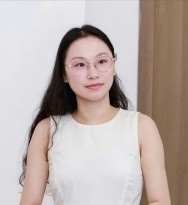 Dr. Haoyu Jiang is an Associate Professor at Sun Yat-sen University. She received her Ph.D. in 2019 and subsequently served as a Postdoctoral Fellow and Specially Appointed Research Assistant at the Chinese Academy of Sciences. Her research focuses on the chemistry of volatile organic compounds and aerosols in the marine atmosphere, as well as land-air-sea interactions in coastal regions. She specializes in investigating the influence of terrestrial organic compounds at the air-sea interface on marine atmospheric processes. Her work combines field observations, environmental sampling, online monitoring, laboratory simulations, and numerical modelling to advance understanding in this field.
Personal webpage
Zijun Li, Phd, Queensland University of Technology, Australia
orcid.org/0000-0002-2973-1216
Research areas: aerosol chemistry and physics,solar radiation management technology
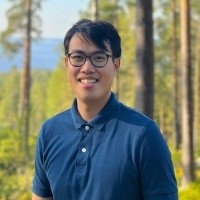 Dr Zijun Li is a postdoctoral research fellow at the School of Earth and Atmospheric Sciences, Queensland University of Technology (QUT), Australia. Before joining QUT, Dr Li obtained his doctoral degree in Environmental Physics, Health and Biology at the University of Eastern Finland. As an aerosol experimentalist, he has strong experience deploying real-time and state-of-the-art instrumentation in laboratory measurements and field studies. His research interests cover aerosol chemistry and physics, as well as solar radiation management technologies. He aims to 1) establish a comprehensive understanding of aerosol formation and aerosol-cloud interactions, particularly in the Southern Hemisphere, and 2) investigate solar radiation management technologies to minimize light stress on corals.
Personal webpage
Fobang Liu, Phd, Xi'an Jiaotong University, China
Research areas: Air pollution and health effects, Organic aerosol chemistry and health effects, Emerging air pollutants, Bioaerosol and allergenicity.
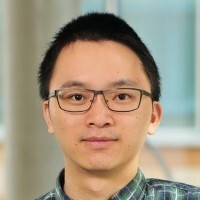 Dr. Fobang Liu is an Associate Professor in the Department of Environmental Science and Engineering at Xi'an Jiaotong University. He received his Ph.D. from the Max Planck Institute for Chemistry and completed his postdoctoral training at the Georgia Institute of Technology. His research focuses on the health impacts of atmospheric fine particulate matter (PM), with particular emphasis on organic aerosols, bioaerosols, and emerging air pollutants. He aims to combine laboratory experiments and field measurements to study the chemistry of PM and develop advanced in vitro and in vivo systems to link PM composition to its health effects and explore the PM pathological mechanisms.
Personal webpage
Theodora Nah, Phd, City University of Hong Kong, Hong Kong SAR
orcid.org/0000-0002-8755-6153
Research areas: Atmospheric chemistry, aerobiome, aerosols, bioaerosols, emerging contaminants, volatile organic compounds, indoor air chemistry, aquatic chemistry
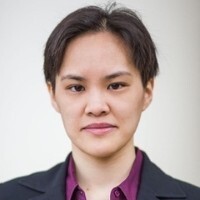 Dr. Theodora Nah is an Associate Professor at the School of Energy and Environment in City University of Hong Kong (CityUHK). Before joining, CityUHK, Dr. Nah obtained her doctoral degree in Physical Chemistry at the University of California, Berkeley, and completed postdoctoral studies at Georgia Institute of Technology. Her current research focuses on the multiphase chemistry of environmental organics and their effects on air and water quality, climate, human and ecosystem health. Her research uses a combination of laboratory experiments and field observations to study the multiphase atmospheric chemistry of organic aerosols and bioaerosols in outdoor and indoor environments, and the chemical transformation processes of dissolved organic matter and emerging contaminants in aquatic environments.
Personal webpage
Sagar Parajuli, Phd, San Diego State University
Research areas: extreme heat, heat stress, extreme climate
orcid.org/0000-0002-6683-7271>
 Dr Sagar Parajuli is a Research Scientist/Adjunct Faculty at San Diego State University with expertise in regional/global climate modeling, dust aerosols, aerosol-climate interactions, air quality modeling, remote sensing, extreme heat, and big data analysis. He is broadly interested in environmental policies, public health, and sustainable development. He obtained his PhD (geosciences) from The University of Texas at Austin and master’s degree in Water and Environmental Engineering from Masdar Institute of Science and Technology (Khalifa University), Abu Dhabi, UAE. He completed his Bachelor’s Degree in Civil Engineering from Institute of Engineering, Lalitpur, Nepal.
Personal webpage
Prabir Patra, Phd, RIGC, JAMSTEC, Japan
orcid.org/0000-0001-5700-9389
Research areas: Greenhouse gases, Air pollution, Chemistry-climate interaction
 Dr Prabir Patra is a principal scientist and deputy group leader at the Earth Surface System Research Center (ESS), JAMSTEC, Yokohama, Japan. He has completed his Ph.D. from Gujarat University, India in 1998. Prior to joining JAMSTEC, he worked at the IBM India Research Laboratory in New Delhi. His research focus is on sources and sinks of the three major greenhouse gases, using atmospheric chemistry-transport models as well as measurements by in situ and remote sensing techniques. He is a contributor to Global Carbon Project’s CO2, CH4 and N2O budgets and served as a Lead Author of the IPCC AR6 (WG1) and a Science Steering Committee member of the GCP, and NASA OCO2/3 and JAXA GOSAT-GW.
Personal webpage.
Yinon Rudich, Phd, Weizmann Institute of Science, Israel
 Dr Yinon Rudich is a Professor and Dean, the Faculty of Chemistry at the Weizmann Institute of Science in Rehovot (Israel). His research focuses on the effects of aerosols on climate and human health. The ovearching goal of his research is to provide mechanistic understanding about the connections between the physical and chemical properties of aerosols to their ability to nucleate ice, to absorb and scatter solar radiation and to induce health effects. In addition, Prof. Rudich studies the aerobiome – bacteria, viruses and fungi that are transported in the atmosphere by dust and winds, and their potential impacts to the Earth system, to ecosystems and to human health. To reach these goals he studies processes in the laboratory and in the field. Prof Rudich completed a Chemical Physics Ph.D. at Feinberg Graduate School, Weizmann Institute. He is a Fellow of the American Geophysical Union, a member of the Academia Europaea and a fellow of the Royal Society of Chemistry.
Personal webpage
Kerstin Schepanski, Phd, Freie Universität Berlin, Germany
orcid.org/0000-0002-1027-6786
Research areas: atmospheric dust cycle, dust sources, desert meteorology, natural aerosols, remote sensing
 Dr Kerstin Schepanski is a professor of radiation and remote sensing of atmospheres at the Institute of Meteorology, Freie Universität Berlin, Germany. Her research aims at understanding the role of the dust life cycle in the Earth system, including dust-feedbacks. Her research focus includes studies on dust source characteristics, meteorological controls on dust emission processes, and the atmospheric dust cycle representing the atmospheric residence of dust from source to sink. For her work she uses atmosphere-aerosol models and satellite remote-sensing techniques combined with ground-based and airborne measurements.
Personal webpage
Kalliopi Violaki, Phd, EPFL, Switzerland
orcid.org/0000-0003-4612-3973
Research areas: Environmental Analytical Chemistry, Atmospheric Chemistry, Biogeochemical cycle of P, N, Fe, Bioaerosols and their impact on human health and ecosystems, Nano and microplastics and their additives
 Dr. Kalliopi Violaki is a research scientist at the Laboratory of Atmospheric Processes and their Impacts (LAPI) at the École Polytechnique Fédérale de Lausanne (EPFL). She obtained her Ph.D. in Atmospheric Chemistry from the University of Crete, followed by postdoctoral research at the Georgia Institute of Technology (USA) and a Marie Curie Fellowship at Aix-Marseille University and the Mediterranean Institute of Oceanography (France). Her scientific background lies in environmental analytical chemistry, with a focus on the chemical composition of atmospheric particles, air–sea chemical interactions, the biogeochemical cycling of key nutrients, including nitrogen (N), phosphorus (P), and iron (Fe) and microplastics and their additives in the atmosphere. Currently, her research explores the composition and dynamics of bioaerosols — airborne biological particles — and their effects on both human health and ecosystems. She applies state-of-the-art omics technologies, including lipidomics, to investigate the molecular signatures and biological activity of airborne materials, aiming to advance understanding of their roles in climate processes, nutrient deposition, and human health.
Personal webpage
Nora Zannoni, Phd, Italian National Research Council (CNR-ISAC), Italy
orcid.org/0000-0003-2721-5362
Research areas: Atmospheric Chemistry, Volatile Organic Compounds, Biosphere-Atmosphere Interactions, Indoor Air Chemistry
Dr Nora Zannoni is a research scientist at the Institute of Atmospheric Sciences and Climate of the Italian National Research Council (CNR-ISAC) and guest scientist at the Max Planck Institute for Chemistry. She was awarded her PhD in Atmospheric Chemistry at the University of Paris XI, with a thesis on field observations of OH reactivity with mass spectrometry in the Mediterranean region. She worked as a post-doc at the Max Planck Institute for Chemistry where she joined the Amazonian Tall Tower Observatory (ATTO) project conducting field research on volatile organic compounds emissions from the Amazonian rainforest. She also applied her knowledge in atmospheric chemistry to study how people influence the air chemistry in occupied indoor environments. More recently she became member of the Aerosol, Clouds and Trace Gases Research Infrastructure (ACTRIS) for which she investigates the precursors of aerosols in the polluted area of the Italian Po Valley -Monte Cimone. Her research interest is to understand the sources and sinks of volatile organic compounds (VOC) through field work in diverse environments, including forests, polluted areas and the indoor environment.
Personal webpage
Agriculture & food systems
Subhadip Dey, Phd, Indian Institute of Technology Kharagpur, India
Research areas: Remote sensing, Microwave remote sensing, Soil surface characterization, Agriculture, Aquaculture, Landcover dynamics and ocean biology.
 Subhadip Dey (Senior Member, IEEE) received the B.Tech. degree in agricultural engineering from Bidhan Chandra Krishi Viswavidyalaya, Mohanpur, India, in 2016, the M.Tech. degree in aquacultural engineering from the Department of Agricultural and Food Engineering, IIT Kharagpur, Kharagpur, India, in 2018, and the Ph.D. degree from IIT Bombay, Mumbai, India, in 2021. He was with the Deutsches Zentrum für Luft- und Raumfahrt (German Aerospace Center), Wessling, Germany, as a Post-Doctoral Researcher, where he was also a Guest Scientist in 2024. He is currently an Assistant Professor at the Agricultural and Food Engineering Department, IIT Kharagpur. His current research interests are applications of microwave remote sensing in aquaculture and agriculture. He was a recipient of the prestigious Humboldt Fellowship and DLR-DAAD Postdoctoral Fellowship. He received the prestigious Young Scientist Award from the Indian Radio Science Society.
Personal webpage
Tiago Ferreira, Phd, University of São Paulo (ESALQ/USP), Brazil
orcid.org/0000-0002-4088-7457
Research areas: soil biogeochemistry, pedogenesis, organic matter stabilization, wetlands, Technosols, and soil reclamation
 Tiago Osório Ferreira obtained his Bachelor's degree in Agronomic Engineering from the Federal University of São Carlos (UFScar) in 1999, his Master's degree in 2002 and Ph.D. in 2006 in Agronomy, in Soil and Plant Nutrition, from the University of São Paulo (ESALQ/USP). Following his academic endeavors, Tiago Osório Ferreira served as a Professor at the Federal University of Ceará (UFC) from 2006 to 2012. Since 2013, he has held a tenured position as a Professor in the Department of Soil Science at the University of São Paulo (ESALQ/USP). With extensive expertise in agronomy and soil science, Tiago Osório Ferreira's research primarily focuses on soil biogeochemistry, pedogenesis, organic matter stabilization, wetlands, Technosols, and soil reclamation. Tiago Osório Ferreira is also the founder and coordinator of the GEPGEOQ - Research and Study Group in Soil Geochemistry, which has forged strong international collaborations with prestigious institutions from Brazil and around the world.
Personal webpage
Wenfeng Liu, Phd, China Agricultural University, China
orcid.org/0000-0002-8699-3677
Research areas: Large-scale crop modelling, Water footprint, Agricultural water resources, Water scarcity, Water-food-environment-trade nexus, Non-point pollution, Environmental flows, Climate extremes
 Dr Wenfeng Liu is a professor at the College of Water Resources and Civil Engineering, China Agricultural University, China. After completing his PhD from the Swiss Federal Institute of Technology (ETHZ) in Switzerland, he conducted his post-doctoral research at the Swiss Federal Institute of Aquatic Science and Technology (Eawag) in Switzerland and the Le Laboratoire des Sciences du Climat et de l'Environnement (LSCE) in France. His research mainly focuses on the coupling and mutual-feedback relationship of water-nutrient-food-environment-trade on a large scale. He has carried out research on the development and application of large-scale crop-hydrological models. He is the recipient of the Otto Jaag Water Protection Prize. He is now interested in agricultural water resources and extreme climate.
Personal webpage
Anne Mullen, Phd, University of Galway, Ireland
orcid.org/0000-0003-2973-1109
Research areas: Nutrition science, Agriculture and food security, Food systems
Anne is a Lecturer in Nutrition Security and Sustainable Food Systems in the Ryan Institute and Sustainable World Section of the School of Biological and Chemical Sciences. Her interests are in sustainable food systems that support nutrition security for all, empowerment of citizens in food systems transformation, and science communication for citizens and political decision makers. Anne is a nutrition scientist with a PhD in molecular nutrition from Trinity College Dublin and postdoctoral experience at the London School of Hygiene and Tropical Medicine on a complementary feeding project of HIV exposed infants in Zambia. Anne was a Lecturer in Nutritional Sciences in King's College London and researched HIV lipodystrophy syndrome in London and an intervention for acute malnutrition among HIV positive children and adults in Uganda. As Director of Nutrition at the Dairy Council for Great Britain, Anne provided evidence-based information to citizens, health professionals, researchers, food industry and politicians on milk, dairy, nutrition and health. Anne was the launch Chief Editor of the Nature Research Portfolio journal, Nature Food.
Personal webpage
Fiona Tang, Phd, Monash University, Australia
orcid.org/0000-0002-8119-4016
Research areas: Environmental modelling, pollution, terrestrial carbon and nitrogen cycles, greenhouse gas emissions, environmental impacts in food system
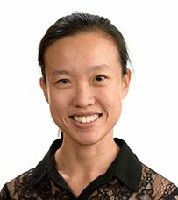 Dr. Fiona Tang is a lecturer in the Department of Civil Engineering at Monash University, Australia. Prior to her current position, she held lecturer position at the University of New England and postdoctoral positions in the Department of Crop Production Ecology at the Swedish University of Agricultural Science (SLU) and the School of Civil Engineering at The University of Sydney. She is an environmental modeller, working on a diverse interdisciplinary research projects around pollution, terrestrial carbon and nitrogen cycles, and sustainability. Her research interest lies in understanding the complex feedback between hydrosphere, geosphere, atmosphere, biosphere, and the anthroposphere.
Personal webpage
Ariel SotoCaro, Phd, Universidad de Concepción, Chile
orcid.org/0000-0001-7008-4009
Research areas: Agricultural economics, International food trade, Undocumented immigration, Immigrant labor force
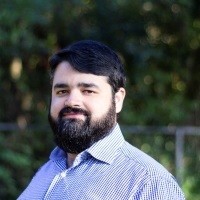 Dr. Ariel Soto-Caro, an associate professor of economics at the Escuela de Administración y Negocios, Universidad de Concepción, Chile, holds an M.Sc. in Environmental and Resource Economics and a Ph.D. in Food and Resource Economics from the University of Florida, USA. He is the founder and Editor-in-Chief of RAN, a journal dedicated to addressing challenges in management, business, and economics in developing Spanish-speaking countries. Ariel's academic background in microeconomics and microeconometrics, with a focus on computational methods, informs his research, which delves into the interactions between agriculture, markets, policies, and society.
Personal webpage
Climate science
Akintomide Akinsanola, Phd, Argonne National Laboratory, USA
orcid.org/0000-0002-0192-0082
Research areas: Regional and Earth System Modeling, Monsoon Climates, Tropical and Mid-latitude Climate, Climate Change and Climate Variability, Extreme events
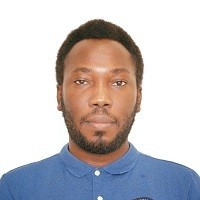 Dr Akinsanola is an Assistant Professor at the Department of Earth and Environmental Sciences, University of Illinois Chicago, USA, and also holds a joint appointment position at the Environmental Science Division of Argonne National Laboratory, USA. He received his Ph.D. in Climate Science from the School of Energy and Environment, City University of Hong Kong, Hong Kong SAR. He utilizes varieties of climate models and observations to better understand climate dynamics, especially processes that impact tropical and mid-latitude precipitation. He has earlier worked as a Lecturer at the Federal University of Technology Akure, Nigeria, and as a Postdoctoral Research Associate at the Department of Geography, University of Georgia, USA. He has extensively taught and conducted scientific research in the areas of tropical monsoon systems and currently leads as co-chair, the Climate Variability and Predictability (CLIVAR)/Global Energy and Water Exchanges (GEWEX) working group of African Monsoon.
Personal webpage
Stefano Brighenti, PhD, Eco Research Bolzano, Italy
Research Areas: Alpine hydrology, cold rocky landforms, rock glaciers, water chemistry, chemical weathering, climate refugia, end-member mixing models, hydrograph separation, water temperature, benthic invertebrates
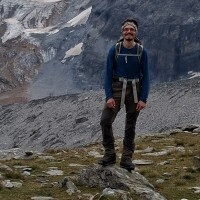 Stefano Brighenti has a PhD in River Science and a background in Natural Sciences. After five years at the Free University of Bolzano as post-doc in mountain hydroecology, he is currently a permanent researcher at Eco Research center. His research mainly focuses on the use of natural tracers (stable water isotopes, trace elements, ions) to study the contribution from rainwater and meltwater resources to runoff and investigate the effects of glacier retreat and permafrost degradation on water quality and aquatic ecology. His studies aim to understand how cryosphere, geomorphology, and geology influence the hydroecology of high-mountain river networks under climate change.
Personal webpage
Dan Fu, PhD, Texas A&M University, USA
Research Areas: Earth system modeling, ocean-atmosphere interactions, weather and climate extremes
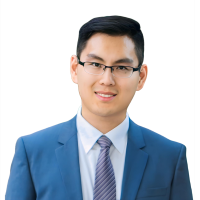 Dr. Dan Fu is an Assistant Professor in the Department of Atmospheric Sciences at Texas A&M University. He is specializing in high-resolution Earth system modeling and the dynamics of extreme weather and climate. His work sits at the interface of weather and climate science, with an overarching goal of understanding how modes of climate variability and long-term change modulate the occurrence, intensity, and predictability of high-impact events. Given the complexity of physical processes that span spatial scales from convective storms to global circulation patterns, and the limited duration of high-quality observational records, Dr. Fu integrates global and regional high-resolution Earth system model ensembles, as well as data-driven machine learning approaches. His work leverages these complementary tools to characterize hazards, quantify and reduce uncertainties, and improve the accuracy and robustness of predictions and future projections.
Personal webpage
Chao He, Phd, Jinan University, China
orcid.org 0000-0001-5842-9617
Research areas: climate dynamics, climate variability, climate change, climate extremes, atmospheric circulation.
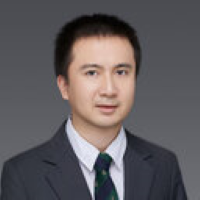 Chao HE is currently a professor at the College of Environment and Climate, Jinan University, Guangzhou, China. He obtained his PhD in meteorology from the Institute of Atmospheric Physics, Chinese Academy of Sciences. He had previously worked as a research scientist at the Institute of Tropical and Marine Meteorology, and as a visiting scholar at the City University of Hong Kong and the Abdus Salam International Centre for Theoretical Physics. His research interests broadly encompass the dynamics of climate variability and climate change. In recent years, he has focused on uncovering the mechanisms behind the responses of monsoons and subtropical anticyclones to global warming, as well as the dynamics of changing climate extremes in a warming world. He has published over 30 research papers in leading international journals, primarily in Journal of Climate and Climate Dynamics. He received the Sir Yibing Xie’s Award for Young Meteorologists in 2021.
Personal webpage
Zhongjing Jiang, PhD, University of Illinois Urbana-Champaign, USA
Research Areas: Earth System Modeling, Uncertainty Quantification, Chemistry-Climate Interactions, Land-Atmosphere Interactions, Terrestrial Ecosystem Processes, Nature-Based Climate Solutions
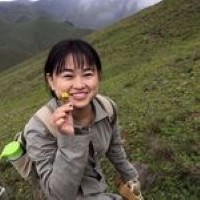 Dr. Zhongjing Jiang is a Research Scientist at the Institute for Sustainability, Energy, and Environment at the University of Illinois Urbana'Champaign (UIUC) and the DOE-funded Center for Advanced Bioenergy and Bioproducts Innovation (CABBI). With interdisciplinary training spanning mathematics, atmospheric science, terrestrial ecosystem processes, and Earth system modeling, she works at the interface of climate, atmospheric chemistry, and land-atmosphere processes. Dr Jiang's research focuses on chemistry, climate interactions, land-atmosphere interactions, and uncertainty quantification in Earth system models. Before joining UIUC, she was a Postdoctoral Research Associate at Brookhaven National Laboratory and received her PhD in Atmospheric Science from Peking University.
Personal webpage
Mengze Li, Phd, National University of Singapore, Singapore
Research areas: carbon cycles, atmospheric compositions and chemistry, remote sensing, atmosphere-biosphere interactions, urban climatology, atmospheric modelling
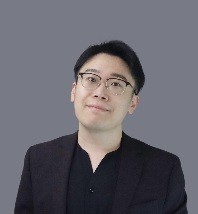 Dr Mengze Li is an assistant professor at the National University of Singapore. His research interests include biogeochemical carbon cycles, atmospheric compositions and chemistry in various environments (e.g. ecosystems, urban, indoor), remote sensing, and atmospheric modeling. He integrates atmospheric observations (satellite remote sensing, airborne and ground-based), atmospheric and climate modeling, and machine learning to quantify the emissions of atmospheric compositions from natural and anthropogenic sources (such as wetlands, wildfires, agriculture, landfills, oil and gas), understand atmospheric chemistry, and estimate their impacts on climate change. Before joining the National University of Singapore, he worked at Stanford University and the University of Michigan-Ann Arbor, USA as a postdoctoral researcher, and he received his PhD from Max Planck Institute for Chemistry, Germany.
Personal webpage.
Yingjie Li, Phd, Stanford University, USA
Research areas: Ecosystem Services, Sustainable Development Goals, Land-Food-Energy-Water Nexus, Environmental Footprints.
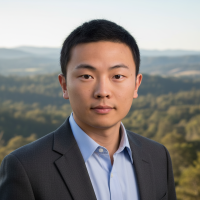 Yingjie Li is a postdoctoral scholar with the Natural Capital Project at Stanford University. His work bridges science, policy, and practice by advancing research on how nature supports human health and wellbeing, and by developing open-source tools to guide urban planning and public health decisions. With an interdisciplinary background, Yingjie investigates ecosystem service flows, the land, food, energy, water nexus, and global sustainability challenges, generating knowledge to help build healthier, more resilient societies worldwide.
Personal webpage
Yongqiang Liu, Phd, USDA Forest Service, USA
orcid.org/0000-0001-8223-7615
Research areas: Wildland fire, smoke, air quality, ecosystem-climate interactions, land-atmospheric interactions, climate change
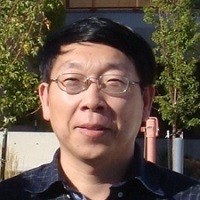 Dr Yongqiang Liu is a Research Meteorologist and Leader of Atmospheric Science Team at Center for Forest Disturbance Science, USDA Forest Service. He holds a Ph.D. in Atmospheric Dynamics from Institute of Atmospheric Physics, Chinese Academy of Sciences, Beijing, China. He conducted post-doctoral research on land-atmospheric interactions in Rutgers University, New Jersey, USA. Before joining US Forest Service, Dr. Liu conducted research on regional climate modeling in the National Center for Atmospheric Research, Boulder, Colorado and on the climate impact of atmospheric aerosol in Georgia Institute of Technology, Atlanta, Georgia. His current research is focused on ecosystem-climate interactions through conducting field measurement, data analysis, and numerical modeling to understand wildland fires and other forest disturbances, the environmental and human health impacts, and interactions with climate. He has been leading several US Forest Service wildfire smoke projects in recent years, including comprehensive fuel-fire-smoke-meteorology field campaigns and national fire and smoke assessments, and served as a leading author for a number of review and synthesis papers on wildfire, smoke, and climate change.
Personal webpage
Min-Hui Lo, Phd, National Taiwan University, Taiwan
orcid.org/0000-0002-8653-143X
Research areas: Land-Atmosphere interactions; Anthropogenic effects on the water cycle; Climate variabilities
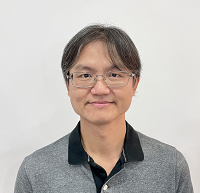 Dr Min-Hui Lo is currently an Associate Professor at the Department of Atmospheric Sciences, National Taiwan University, Taiwan. Dr. Lo obtained his Ph.D. degree in the Department of Earth System Science from the University of California, Irvine, United States, in 2010. After returning to Taiwan in 2012, Dr. Lo’s research has concentrated on understanding linkages and feedbacks between the land and the atmosphere, focusing specifically on how land hydrological processes affect the local/regional/global climate and exploring how human activities impact the hydrological cycle across these scales by using satellite datasets, in-situ observations, reanalysis datasets, and climate models.
Personal webpage
Monika Markowska, PhD, University of Northumbria, United Kingdom
Research Areas: Drylands, future climate change, warmer worlds, pliocene, speleothems, U-Pb, U-Th, stable isotopes, karst modelling, proxy modelling, fossil pollen, paleothermometry, fluid inclusions
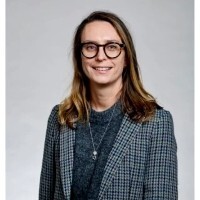 Dr Monika Markowska is a Royal Society University Research Fellow at Northumbria University focusing on quantitative paleoclimate reconstruction of dryland hydroclimate. Her research integrates carbonate geochemistry, geochronology, and proxy's system modelling to resolve rainfall, temperature, and CO2 dynamics from the Miocene to the present. Focusing on regions such as Arabia, Australia, the Mediterranean and southern Africa, her work constrains terrestrial hydroclimate variability across major climate transitions, providing critical benchmarks for data's model comparison and improving predictions of dryland responses to future warming scenarios.
Personal webpage
Joy Merwin Monteiro, Phd, IISER Pune, India
orcid.org/0000-0002-3932-3603
Research areas: Geophysical fluid dynamics, extreme events, climate modelling frameworks
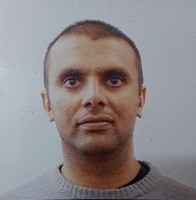 Dr Joy Merwin Monteiro is an Assistant Professor at the department of Earth and Climate Science at the Indian Institute of Science Education and Research Pune, India. He completed his Ph.D at the Indian Institute of Science, Bengaluru, India, following which he worked at as a postdoc at Stockholm University. He has broad interests in weather and climate phenomena, with a focus on understanding the fundamental physics that underlie these phenomena.
Personal webpage
Seung-Ki Min, Phd, Pohang University of Science and Technology (POSTECH), Republic of Korea
orcid.org/0000-0002-6749-010X
Research areas: Climate change detection and attribution, Weather and climate extremes, Climate modeling and projection
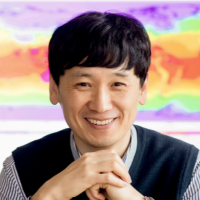 Dr Seung-Ki Min is a Professor of Division of Envirionmental Science and Engineering at the Pohang University of Science and Technology (POSTECH), South Korea. After studying meteorology for his PhD at the University of Bonn in 2006, he worked as a research scientist at the Environment Canada and as a senior research scientist at the Commonwealth Scientific and Industrial Research Organisation (CSIRO) before joining the POSTECH in 2013. His expertise is in attributing the causes of observed climate changes and projecting future climate changes at global and regional scales. A particular research focus is on high-impact weather and climate extremes including heatwaves, heavy precipitation, tropical cyclones, and Arctic sea-ice melting. He is an Editor of Journal of Climate since 2018 and has served as a lead author on the IPCC Sixth Assessment Report Working Group I.
Personal webpage
Hui Su, Phd, The Hong Kong University of Science and Technology, Hong Kong, China
orcid.org/0000-0003-1265-9702
Research areas:Tropical Meteorology, Climate Variability and Climate change, Climate Modeling, Remote Sensing
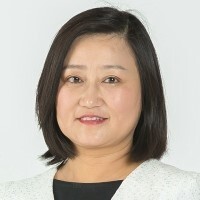 Hui Su is a Chair Professor and Global STEM Professor at the Department of Civil and Environmental Engineering, and the Executive Director of the Space Science and Technology Institute in the Hong Kong University of Science and Technology. Before joining HKUST in 2022, she was a principal scientist and weather discipline program manager at NASA’s Jet Propulsion Laboratory (JPL). She received her PhD Degree in Atmospheric Sciences from University of Washington. Hui Su’s research interests primarily focus on tropical convection, extreme weather, climate variability, climate change, numerical modeling and remote sensing. She has published over 140 peer-reviewed articles. In 2024, she received the Banner I. Miller award from the American Meteorological Society for significant contributions advancing the understanding of rapid intensification of tropical cyclones and paving the way towards the use of machine learning in operational forecasting. She was awarded the NASA Exceptional Scientific Achievement Medal in both 2010 and 2022, and JPL’s Edward Stone Award in 2021 and the Lew Allen Award for excellence in 2008. Hui Su is a Member of WCRP CLIVAR/GEWEX Global Monsoons Panel and the Global Precipitation Experiment Working Group on Precipitation Data Co-chair. She is a Fellow of the American Meteorological Society.
Personal webpage.
Sylvia Sullivan, Phd, University of Arizona, USA
orcid.org/0000-0003-0203-3052
Research areas: Atmospheric modeling, cloud physics and dynamics, cloud-radiation interactions
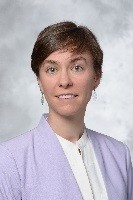 Dr Sylvia Sullivan is an Assistant Professor at the University of Arizona in the Department of Chemical & Environmental Engineering and a courtesy appointment in the Department of Hydrology & Atmospheric Science. She received her B.S. in Chemical Engineering from Caltech in 2012 with a minor in Environmental Sciences and her Ph.D. in Chemical & Biomolecular Engineering from Georgia Tech in 2017 with a minor in Earth & Atmospheric Sciences. She completed postdocs at Columbia University and the Karlsruhe Institute of Technology before joining the UA. Dr. Sullivan's research is broadly interested in scale interactions of atmospheric phenomena, particularly the impact of small-scale cloud processes on large-scale variables of social relevance like rainfall intensities and circulation patterns.
Personal webpage.
Kunhui Ye, PhD, University of Oxford, United Kingdom
Research Areas: Climate dynamics, climate modelling, extreme events, climate change, Polar climate change
 Kunhui is a Postdoctoral Research Associate at the University of Lincoln, specializing in climate dynamics, climate modelling, extreme events, and climate change. His current research focuses on North Atlantic jet stream variability, heatwaves, and changes in extreme precipitation. He is also deeply interested in the application of artificial intelligence to climate research. Before joining the University of Lincoln, Kunhui held positions as a postdoctoral researcher and Marie Curie Fellow at the Alfred Wegener Institute, Uppsala University, and the University of Oxford. He earned his Ph.D. in Earth System and Geo-Information Science from the Chinese University of Hong Kong, where his research explored snow-atmosphere interactions and intraseasonal oscillations. Over the years, Kunhui’s work has expanded to include Arctic climate variability and change, as well as Arctic-lower latitude interactions. At the University of Oxford, he coordinated large-ensemble climate simulations to investigate the influence of future Arctic sea ice loss on climate and weather variability. He also led a team reviewing progress in linking cryosphere changes to climate and weather extremes.
Personal webpage
Kyung-Sook Yun, Phd, IBS Center for Climate Physics, South Korea
orcid.org/0000-0001-9990-3581
Research areas: Paleoclimate modeling, Climate dynamics from past to future, Climate-ice sheet interaction, Tropical climate dynamics, Global monsoon variability
 Dr Kyung-Sook Yun is an Associate Researcher at the IBS Center for Climate Physics, South Korea. She holds a Ph.D. in Atmospheric Science from Pusan National University, Busan, South Korea, with a focus on climate changes in El Nino-Southern Oscillation (ENSO)-monsoon interaction. She studies various Scientific questions in the areas of tropical climate dynamics, global monsoon variability, and atmospheric circulation. Her research activities also include future climate changes based on the multi-model ensembles of Coupled Model Intercomparison Project (CMIP)-class simulations. Recently, she has extended her research field into paleoclimate modeling to better understand the climate-ice sheet interaction and paleo-climate dynamics in glacial-interglacial cycles.
Personal webpage
Yang Zhou, PhD, Lawrence Berkeley National Laboratory, USA
Research Areas: Atmospheric rivers, extreme precipitation, hydroclimatic hazards, climate variability, subseasonal-to-seasonal prediction, climate change impacts, hydrologic response to extreme events, atmospheric dynamics, climate model evaluation, machine learning for Earth system science
 Dr. Yang Zhou is a Research Scientist at Lawrence Berkeley National Laboratory, specializing in atmospheric rivers, extreme precipitation, and hydroclimatic risk. Her research leverages climate models, observations, and machine-learning methods to uncover controls on climate extremes and improve their prediction across timescales. She contributes to advancing scientific understanding of extreme weather behavior under climate change and its implications for water resources and flood hazards.
Personal webpage
Coastal science
Christopher Cornwall, Phd, Victoria University of Wellington, New Zealand
orcid.org/0000-0002-6154-4082
Research areas: Impacts of climate change on marine ecosystems, ocean acidification, calcification, photosynthesis, coral reefs, kelp forests, geochemistry of carbonates
 Dr Christopher Cornwall is a Lecturer and Rutherford Discovery Fellow at Victoria University of Wellington. He is also a research Theme Leader in the Centre of Research Excellence, Coastal People: Southern Skies. He graduated from a PhD at Otago University in 2013 and conducted postdoctoral research at the Institute for Marine and Antarctic Research, Hobart, and the Centre of Excellence for Coral Reef Studies at the University of Western Australia, Perth. His research examines how kelp forests and coral reefs function today and how this will be altered by future ocean acidification and warming in the context of variability in the environment (e.g. pH, water motion and light). Recent work focuses on determining mechanism of resistance/tolerance against climate change exploring the role of organism physiological, adaptive/acclamatory processes, and environmental interactions. He uses a holistic range of techniques, including ecology, physiology, geochemistry, carbonate chemistry, physics and modelling of oceanography and ecosystems to answer cutting-edge questions.
Personal webpage
Olusegun Dada, Phd, Federal Univ of Tech Akure, Nigeria
orcid.org/0000-0001-8020-3323
Research areas: Coastal processes, Coastal hazards, Coastal vulnerability, Coastal sustainability and management, Delta evolution, Multi-scale coastal dynamics
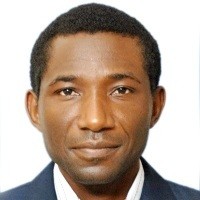 Dr Olusegun Dada is a Senior Lecturer at the Department of Marine Science and Technology, Federal University of Technology, Akure, Nigeria. He received a PhD in Marine Geology and a Doctor of Natural Science from the Ocean University of China, Qingdao, China. For more than 10 years, he has taught and conducted extensive research on diverse topics related to coastal vulnerability, coastal management and sustainability, coastal processes, delta evolution and multiscale coastal dynamics. His research to date has advanced the field of coastal oceanography. Beyond academic studies and scientific publications, his research has important societal applications to the coastal environment. He is a recipient of many scholarships and fellowship awards. He was a Senior Postdoctoral Research Fellow at the French National Research Institute for Sustainable Development (IRD). He was based at the Laboratoire d’Etudies en Geophysique et Oceanographie Spatiales (LEGOS), Toulouse, France, where he coordinated the regional West Africa Coastal Area - mapping Vulnerability, Adaptability, and Resilience in a Changing Climate (WACA-VAR) project, a project that focuses on monitoring multiscale coasts evolutions under changing climate along the West Africa coast.
Personal webpage
Nicole Khan, Phd, University of Hong Kong, Hong Kong
orcid.org/0000-0002-9845-1103
Research areas: Coastal processes, Sea-level change, Environmental change & Climate change
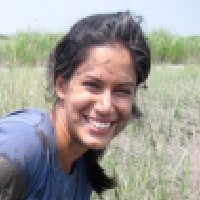 Dr Nicole Khan is an Assistant Professor in the Department of Earth Sciences at the University of Hong Kong. The overarching theme of her research is the use of sedimentary, microfossil and geochemical indicators to produce and synthesize records of present and past sea levels, storms, and floods, and their extent of geological and ecological impacts. These records provide means to assess future risk, reveal the spatial and temporal variability of coastal inundation and decipher the relationship of these events to global climatic changes.
Lab webpage.
Danial Khojasteh,Phd, New South Wales Department of Climate Change, Energy, the Environment and Water, Australia
orcid.org/0000-0002-6095-2885
Research areas: Estuarine hydrodynamics, Coastal/estuarine inundation, Sea-level rise impacts, Coastal management and adaptation, Coastal/estuarine extreme events, Numerical modelling
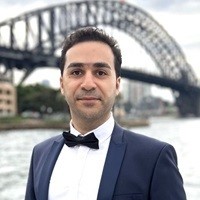 Dr. Danial Khojasteh is a Senior Scientist (Coastal and Marine) at the Department of Climate Change, Energy, the Environment and Water in Sydney, Australia. He completed his PhD and post-doctoral programs at the University of New South Wales and the Sydney Institute of Marine Science. His multidisciplinary research spans coastal and estuarine hydrodynamics, sea-level rise, climate change, human pressures, and inundation risk assessment, providing evidence-based, adaptive management strategies for coastal estuaries and wetlands. His research is internationally recognised, with several awards and nearly 40 peer-reviewed publications predominantly through global collaborative efforts. Dr. Khojasteh is currently leading research related to coastal and estuarine adaptive management and modelling estuarine (compound) inundation. He also explores how the interaction between inland hydrologic processes and coastal processes affects low-lying coastal/estuarine communities and associated ecosystems amidst a changing climate and increasing human development.
Lab webpage
Nezha MEJJAD, Phd, National Centre for Nuclear Energy, Science and Technology (CNESTEN), Morocco
orcid.org/0000-0002-6750-6781
Research areas: Coastal sediments Geochemistry, radiometric dating, Environmental impact assessment, heavy metals pollution, radioactive pollution, plastic pollution, blue carbon sequestration, oceanography, blue economy and sustainability.
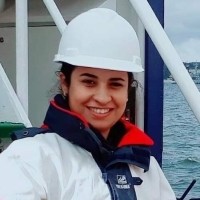 Dr. Nezha MEJJAD is a Research Scientist in Geochemistry & Environment at the National Center for Energy, Sciences, and Nuclear Techniques in Rabat, Morocco. Her academic journey began at the Faculty of Sciences Ben M'sik (Earth Sciences) at the University of Hassan II Casablanca, where she earned her Bachelor's degree in 2011 and her Master's degree in Applied Geology in 2013. In November 2018, she successfully defended her Thesis on 'Geochemical and radiometric approaches for assessing the intensity and chronology of metal trace element and radionuclide contamination in the Oualidia lagoon - Morocco'. Through her numerous publications, Nezha has made significant contributions to the scientific community, addressing critical issues and providing valuable insights into the complex interactions between human activities and marine ecosystems. Her interests include coastal sediments Geochemistry, radiometric dating, Environmental impact assessment, heavy metals pollution, radioactive pollution, plastic pollution, blue carbon sequestration, oceanography, blue economy and sustainability. Nezha, in 2019, received the prize for the best thesis defended in Geology at Hassan II University, Casablanca, Morocco, and won a fellowship funded by the EU Deep Blue project in the framework of the BlueMed Initiative.
Personal webpage
Adam Switzer, Phd, Nanyang Technological University, Singapore
orcid.org/0000-0002-4352-7852
Research areas: natural hazards, coastal hazards, sea level change, geomorphology, quaternary geology, shallow geophysics, time series analysis, science communication
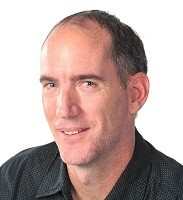 Dr Adam Switzer is an Associate Professor and Associate Chair (Academic), Asian School of the Environment and Principal Investigator, Earth Observatory of Singapore (EOS) at Nanyang Technological University, Singapore. Adam received his BSc (Hons) and his PhD from the University of Wollongong in Australia. A broadly trained Earth scientist, Switzer has been leader or co-leader on several major research programs including the prestigious Singapore National Research Fellowship (2010-2015) and the Southeast Asia Sea Level Program (SEA2) launched in 2020. He is a former executive council member of the Asia Oceania Geoscience Society (AOGS).
Lab webpage
Jennifer Veitch, Phd, SAEON, South Africa
orcid.org/0000-0003-2544-1243
Research areas: Climate Variability, Eastern Boundary Upwelling Systems, Coastal and Shelf Seas
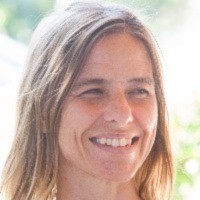 Dr Jennifer Veitch is a physical oceanographer who uses numerical models as a tool to better understand ocean processes that are difficult to observe in a cohesive way using in situ or satellite data. Her area of expertise is in the South East Atlantic that is subject to Indo-Atlantic interactions that impact both the local processes of the Benguela eastern boundary upwelling system, as well as the global climate system via their role in the global thermohaline circulation. Jennifer received her PhD from the Department of Oceanography at the University of Cape Town, which focused on understanding the equilibrium dynamics of the Benguela upwelling system. She is currently based at the South African Environmental Network (SAEON) and heads up the SOMISANA Initiative (A Sustainable Ocean Modelling Initiative: a South African Approach).
Personal webpage
Yang Yang, Phd, Nanjing Normal University, China
orcid.org/0000-0002-9513-4911
Research areas: Paleotempestology, Marine sedimentology, Coastal hazards, Sediment source-to-sink processes, Marine sediment dynamics
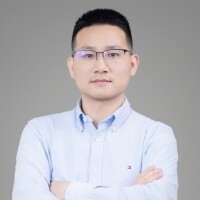 Dr. Yang Yang is a professor in the School of Marine Science and Engineering, and the State Key Laboratory of Climate System Prediction and Risk Management, Nanjing Normal University, Nanjing, China. Yang received his PhD degree in Marine Geology from Nanjing University in 2017. He was a post-doctoral scientist at East China Normal University and the Bedford Institute of Oceanography before joining Nanjing Normal University. His research centers on multi-scale sedimentary processes and environmental evolution in coastal-shelf waters. His current research interests include paleotempestology, coastal changes during periods of abrupt climate change and the Anthropocene, sediment source-to-sink processes, and marine sediment dynamics.
Personal webpage
Claudia Zoccarato, Phd, University of Padova, Italy
orcid.org/0000-0002-3199-8681
Research areas: land subsidence modeling; hydrology; geomechanics; bayesian inference;
 Dr Claudia Zoccarato is a post-doctoral researcher at the Department of Civil, Environmental, and Architectural Engineering of the University of Padova, Italy. She did her Ph.D. in numerical modeling of geomechanical issues (i.e. land subsidence) related to subsurface resources exploitation such as gas extraction or injection of fluids in deep reservoirs, focusing on model calibration through data assimilation techniques. During her post-docs she moved her focus from anthropogenic subsidence to natural subsidence in coastal areas such as deltas and lagoons, estimating the future resilience of such environments with respect to increasing mean sea level. She has expertise in numerical modeling and field monitoring with recent studies in measuring salt-marshes vulnerability to sea-level rise by implementing innovative in-situ loading experiments carried out in the Lagoon of Venice. Recently she is studying the restoration of intertidal environments and the subsurface importance to build resilient ecosystems. She is an affiliate member of the UNESCO Land Subsidence International Initiative (LaSII).
Personal webpage
Deep Earth & Planetary Science
Candice Bedford, Phd, Purdue University, USA
orcid.org/0000-0002-0783-1064
Research areas: Planetary exploration, volcanology, sedimentology, geochemistry, mineralogy, astrobiology, igneous petrology, impact processes.
 Dr Candice Bedford is a Research Scientist at Purdue University, USA and a Foreign Collaborator on the NASA Mars Science Laboratory and Mars 2020 teams. Candice received her PhD in Planetary Science from The Open University analyzing data from the ChemCam instrument on the Curiosity rover to constrain the geological processes and habitability of Gale crater through time. Following her PhD, Candice worked as a Postdoctoral Researcher and Visiting Scientist at the Lunar and Planetary Institute and NASA Johnson Space Center. Now at Purdue University and on the Mars 2020 team, her research involves using geochemistry and mineralogy from both rovers to decipher processes relating to volcanism, impact, sedimentary transport, chemical weathering, and diagenesis throughout Mars' geological record. In addition to her work on Mars, Candice has participated in several Mars-analog missions to Iceland to ground-truth our hypotheses for Mars and test the utility of novel planetary exploration techniques. Through her research in Iceland, Candice has also become interested in the impact of a changing climate on volcanism, particularly relating to the loss of ice from glaciers.
Personal webpage
Brittany Cymes, Phd, NASA Johnson Space Center, USA
orcid.org/0000-0002-2020-3476
Research areas: planetary science, space weathering, electron microscopy, mineral properties, mineral alteration
 Dr. Brittany Cymes is an Astromaterial Scientist at NASA Johnson Space Center. Her research focuses on sample-based studies of terrestrial and extraterrestrial materials using transmission electron microscopy. She is interested in understanding how the physical and chemical properties of lunar and asteroidal minerals are affected by solar wind irradiation and micrometeoroid impacts. Dr. Cymes received a Ph.D. in Geology from Miami University and completed an NRC Postdoctoral Fellowship at the U.S. Naval Research Laboratory before joining the JETS II Contract at NASA Johnson Space Center.
Personal webpage
João Duarte, Phd, University of Lisbon, Portugal
orcid.org/0000-0001-7505-3690
Research areas: Geodynamics, Earth System, Planetary Sciences, Geodynamic Modelling
 Dr João Duarte is an Assistant Professor at the Faculty of Sciences of the University of Lisbon, Portugal, and deputy director of the IDL. After obtaining his PhD in Geodynamics from the University of Lisbon in 2012, he moved for a few years to Monash University, in Melbourne, Australia. João worked in diverse geodynamic environments and processes, including subduction zones, subduction initiation and slab-plume interactions. He likes to work cross-disciplines and in Earth System problems, having explored the tectonic control of ocean tides, tides in a snowball Earth and the climate of supercontinents. He is also currently working on the tectono-volcanism of the Solar System, geosciences of exoplanets, biogeodynamics and the origin of life. João is the President-elected of the Tectonics and Structural Geology Division of the European Geoscience Union (EGU) and a Fellow of the Lisbon Academy of Sciences.
Personal webpage
Claire Nichols, Phd, University of Oxford, United Kingdom
 Dr Claire Nichols is an Associate Professor in the Department of Earth Sciences, University of Oxford, UK. Her research focusses on using high resolution microscopy and paleomagnetism to investigate meteorites, Apollo samples and Archean terrestrial samples to understand more about how planets generate magnetic fields, and the implications for deep Earth dynamics and surface habitability. Claire completed her undergraduate degree in Natural Sciences at the University of Cambridge, and then continued at Cambridge for her PhD investigating the nanoscale magnetic properties of meteorites. She then spent some time in the US as a Simons Foundation postdoctoral fellow at MIT working on recovering ancient magnetic field signals from rocks in Isua, Southwest Greenland before moving to Oxford.
Personal webpage
Renbiao Tao, Phd, HPSTAR, China
orcid.org/0000-0003-4797-5211
Research areas: High-pressure experimental petrology; Mineral physics; Fluid geochemistry; Deep Carbon cycle, Water-rock interaction
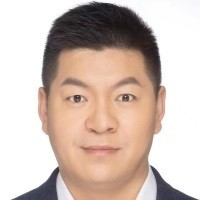 Dr. Renbiao Tao is a staff scientist at Center for High Pressure Science & Technology Advanced Research (HPSTAR) in China. He received his Ph.D. in high-pressure metamorphic geology at Peking University, China. Then he successively worked as postdoc in high-pressure experimental petrology and geochemistry at Carnegie Institution for Science and University de Lyon. Now he is the Principal Investigator of a high-pressure Earth and planetary science group at HPSTAR. His research is focused on deep carbon cycle processes and their environmental effect. High-pressure and high-temperature mineral physics and fluid geochemistry also fall within his research interests.
Personal webpage
Ke Zhu, Phd, China University of Geosciences, China
orcid.org/0000-0003-3613-7239
Research areas: Planetary differentiation, Early solar system evolution, Short-lived dating systems, Nucleosynthetic anomalies, Stable isotopes, Magmatism, Core formation, Volatile depletion
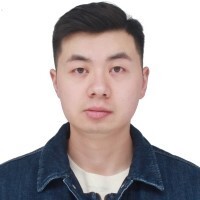 Dr Ke Zhu is a professor at China University of Geosciences (Wuhan) since 2024. He received his PhD from the Institut de Physique du Globe de Paris (IPGP) in 2021. Following his PhD, he conducted postdoctoral research at Freie Universität Berlin, University of Bristol, and Tokyo Institute of Technology, supported by Alexander von Humboldt, Marie Skłodowska-Curie, and JSPS fellowships, respectively. His expertise lies in planetary geochemistry, with a focus on the analysis of meteorites, space mission return samples, and experimental samples. Ke specializes in high-precision isotopic and elemental measurements using advanced mass spectrometry techniques, such as TIMS and MC-ICP-MS. His research aims to explore the timing, origin, and processes of planetary materials, including rocks from Earth, the Moon, Mars, Vesta, and other asteroids in the solar system.
Personal webpage
Energy & resources
Ayat-Allah Bouramdane, Phd, International University of Rabat, Morocco
orcid.org/ 0000-0003-3613-955X
Research areas: Modelling and optimization of energy systems, climate change impacts, mitigation and adaptation, hydrogen value chain technologies and climate justice.
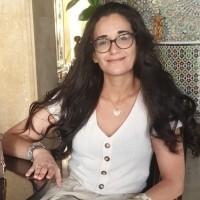 Dr. Bouramdane is a professor and researcher at the International University of Rabat (UIR). She earned her PhD in 2021 from the Institut Polytechnique de Paris, where she conducted research at the Laboratoire de Météorologie Dynamique at École Polytechnique – Institut Pierre-Simon Laplace. Her academic background includes studies at École Polytechnique (M18), with a master’s thesis completed at CentraleSupélec – University Paris-Saclay, as well as coursework at Université de Lorraine (École Européenne d'Ingénieurs en Génie des Matériaux – EEIGM, École Nationale Supérieure d’Électricité et de Mécanique – ENSEM, and the Faculty of Science and Technology – FST), and at UIR. Her research focuses on the modeling and optimization of energy systems, integrating technical, economic, environmental, and social dimensions. She also explores the impacts of climate change, along with strategies for mitigation and adaptation, hydrogen value chain technologies, and climate justice. Her work has been presented at international conferences and published in peer-reviewed journals. In 2022, she served as a researcher and group leader in modeling at the Park of Green Energy, a solar energy research platform. In February–March 2025, she was a visiting professor at the Centre de Recherche en Automatique de Nancy (CRAN) and at the IUT Henri Poincaré Longwy, Université de Lorraine. She has taught courses in physics and eco-design across various programs at UIR and IUT Henri Poincaré Longwy.
Personal webpage
Vaibhav Chaturvedi, Phd, CEEW, India
orcid.org/0000-0001-5370-8772
Research areas: climate policy; energy policy; integrated assessment modeling; carbon markets
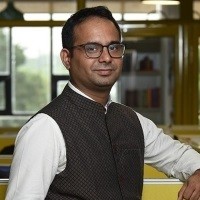 Dr. Vaibhav Chaturvedi is a Senior Fellow at the Council on Energy, Environment and Water (CEEW) and leads their low carbon economy and carbon markets research. His expertise is on modelling long term futures for energy and emissions within the framing of economic transformation. His role focuses on developing a modelling ecosystem in India, capacity building of young modelers, informing national and state level energy and climate policy, and informing the carbon markets debate in India. He is the co-chair of the Mitigation Working Group of the Independent Global Stocktake Process (iGST) and is/ has been a part of various GoI committees and groups on India’s energy and climate policy. His recent work includes modelling for informing India’s net-zero target and sectoral strategies, modelling state level energy and emission scenarios for India, and analysing various aspects of India's carbon markets debate among other things. He is a graduate of the Indian Institute of Forest Management (Bhopal) and holds a Doctorate in Economics from IIM Ahmedabad. Prior to joining CEEW, he was a Post Doctoral Research Fellow at the Pacific Northwest National Laboratory (PNNL, USA).
Personal webpage
Franziska M. Hoffart, Phd, Kassel Institute for Sustainability, Kassel University, Germany
orcid.org/0000-0002-4719-9147
Research areas: Just energy transition, scenario analysis, transition risks, asset stranding, socio-ecological tranformation, energy policy, sustainability economics, economic philosophy
 Dr. Franziska Hoffart is a guest professor of ""Sustainability Economics &Transformation"" at the Kassel Institute for Sustainability, a senior researcher at SOFI Göttingen, and an associate researcher at the German Institute for Economic Research (DIW Berlin). She is dedicated to supporting the transition toward a just and sustainable future within Earth’s planetary boundaries through policy-relevant economic research. In her research, she focuses on the just energy transition, transition risk, scenario analysis, energy asset stranding, and socio-ecological transition. She holds an economics economics Ph.D. on""Economics of the Energy Transition and Sustainability"" from Ruhr University and studies economics, philosophy, and politics in Germany, South Africa, and China . She is interested in the science-society interplay and has provided science-based advice in the financial sector and as a reserach at the German Advisory Council on the Environment. She also publishes on the responsibility of scientists in contemporary crises.
I-Yun Lisa Hsieh, Phd, National Taiwan University, Taiwan
orcid.org/0000-0002-1668-4094
Research areas: Net-Zero Transition, Energy Economics, Environmental Policy, Smart Grid, Green Mobility, and Climate Justice
 Dr. I-Yun Lisa Hsieh is an associate professor in the Department of Civil Engineering and holds a joint appointment position in the Department of Chemical Engineering at National Taiwan University (NTU), Taiwan. She received her B.S. degree, with double majors in Chemical Engineering and Finance, from NTU in 2014, and completed her Ph.D. in Chemical Engineering at MIT in 2020. During her Ph.D. studies, Dr. Hsieh made significant contributions as a core member to the MIT Energy Initiative's Mobility of the Future study, which plays a crucial role in MIT's plan for action on climate change. Dr. Hsieh’s research centers on energy policy, renewable generation, low-carbon transportation, and sustainable development, aiming to accelerate the world's transition to a net-zero emissions future. By advancing knowledge, generating innovative ideas, and developing robust methodologies, Dr. Hsieh addresses the pressing challenges of effectively reducing energy-related CO2 and pollution emissions while meeting the increasing global energy demand.
Personal webpage
Sadia Ilyas, Phd, Hanyang University, South Korea
orcid.org/0000-0001-9247-7540
Research areas: Bio-chemical-remediation, geo-mineralization, sustainable urban mining, hydrometallurgical extraction and recycling of strategic and energy-critical elements, CO2 mitigation and circular economy, life cycle assessment
 Dr. Sadia Ilyas is an Associate Professor in the Department of Civil, Environmental and Natural Resources Engineering and WISE Fellow in Sustainable and Efficient Metal Recovery in a Circular Economy at Luleå University of Technology, Sweden. She has also been awarded twice the Brain Pool Scientist in 2019 and 2021 by the National Research Foundation of Korea, while she served as Associate Professor—Research at Hanyang University (Seoul) and Jeonbuk National University (Jeonju) in South Korea. She has a strong background in inorganic chemistry and earned her Ph.D. in 2011 with doctoral research at the University of Agriculture Faisalabad focused on the metals-to-microbes interactions in the geo-environment and their application in sustainable exploitation of valuable metals from lean-grade minerals and the burgeoning legacy of the digital world. Focusing on more real-time problems in interdisciplinary research domains, Dr. Ilyas is driven to green process developments by combining the microbial activities with solvo-chemistry in the mobilization of critical raw minerals to clean and renewable energy. Her research addresses a broad range of issues related to the sustainability of the Earth and environment, dealing mainly with the precursor preparation for green energy applications, bio-geo-mineralization, bio-chemical-remediation of industrial effluents and mine tailings, treatment of geo-hazards, solid-waste management and urban mining, hydrometallurgical recycling of strategic and critical metals including spent Li-ion batteries and autocatalytic converters, and circular economy that ultimately contributes to reduce the carbon footprints due to the traditional mining and other anthropogenic activities.
Personal webpage
Pallav Purohit, Phd, IIASA, Austria
orcid.org/0000-0002-7265-6960
Research areas: Integrated Assessment of Air Pollution and Greenhouse Gases, Fluorinated Greenhouse Gases, Short-Lived Climate Forcers (SLCFs), Energy Economics, Policy & Planning
 Dr Pallav Purohit is a Senior Research Scholar in the Energy, Climate, and Environment Program of the International Institute for Applied Systems Analysis (IIASA), Austria. His research focuses on solving immediate and near-term environmental (health and ecosystems impacts from pollution), climate (non-CO2 greenhouse gases), and social (widening inequality gaps) problems in a cost-effective way, providing support to policy making at local and regional scales. Dr. Purohit received his MSc in Physics from the H.N.B. Garhwal University, India in 1998 and his PhD in Energy Policy and Planning from the Indian Institute of Technology (IIT), Delhi, in 2005. Before joining IIASA in 2007, Purohit worked as an e8 Postdoctoral Research Fellow at the Research Program on International Climate Policy, Hamburg Institute of International Economics (HWWI) in Germany. His research interests include integrated assessment of air pollution and greenhouse gases, fluorinated greenhouse gases, short-lived climate pollutants, energy economics, policy, and planning.
Personal webpage.
Alessandro Rubino, Phd, University of Bari Aldo Moro, Italy
 Dr Alessandro Rubino is Assistant Professor in the Ionian Department of Law, Economics and Environment, University of Bari Aldo Moro, Italy. After completing his undergraduate degree in Economics and Business at University of Bari Aldo Moro, Alessandro enrolled as PhD researcher in Economics at Siena University (2011) and started his career as Regulatory Economist at Ofgem (Office for Gas and Electricity Markets) in the UK. Subsequently he has worked as Research Assistant at the Florence School of Regulation (EUI); as Head of the Capacity Building and Knowledge Dissemination Area at the Enel Foundation and as Senior Editor at Nature Energy. Alessandro is an expert in international energy and climate issues, with a focus on the international energy markets, the European energy and climate policy and the Euro-Mediterranean energy relations. He combines applied research with energy policy and regulation in his studies.
Personal webpage
Ta yeong Wu, Phd, Monash University, Malaysia
orcid.org /0000-0002-3046-950X
Research areas: Biorefinery, Renewable energy production, Waste reuse, Waste transformation, Waste treatment.
 Prof. Dr. Ta Yeong Wu received his BEng (Hons), MEng and PhD from National University of Malaysia in 2001, 2003 and 2009, respectively. Currently, Wu is a Full Professor and Associate Head of School (Graduate Research) at School of Engineering, Monash University Malaysia. Prof. Wu is a Graduate Engineer registered under Board of Engineers Malaysia (BEM) and he has been awarded Chartered Chemical Engineer status and elected to Chartered Membership of Institution of Chemical Engineers (IChemE). In 2024, Prof. Wu is appointed as an Adjunct Professor and Associate Fellow of the Research Centre for Sustainable Process Technology (CESPRO) by Beijing University of Chemical Technology and National University of Malaysia, respectively. Prof. Wu’s current research interests include sustainable solid waste management, biorefinery, bio-energy production, and wastewater treatment. At present, Prof. Wu is serving as an Editor for “Environmental Science and Pollution Researchâ€, Associate Editor for “International Journal of Environmental Science and Technology†and “Chemical Papers†as well as Editorial Board Member for “Electronic Journal of Biotechnology†and “International Journal of Recycling of Organic Waste in Agricultureâ€.
Personal webpage
Geochemistry and Petrology
Kai Deng, Phd, Tongji University, China
orcid.org/0000-0002-9274-7894
Research areas:Geochemistry, Erosion and Weathering, Oceanic Cycling of Trace Metals, Cosmogenic Nuclides
 Dr. Kai Deng is an Associate Professor at the State Key Laboratory of Marine Geology, Tongji University, Shanghai, China. He completed his B.Sc. in Geology and his Ph.D. in Marine Science (2020) at Tongji University. His doctoral thesis focused on the application of meteoric cosmogenic Be isotopes in a tectonically active mountain belt to quantify sediment production and transport processes. Kai was later awarded the ETH Zurich Postdoctoral Fellowship, where he constrained the role of continental margin sediments in the oceanic cycling of beryllium and rare earth elements. Following this, he joined GFZ Potsdam in Germany as a Humboldt Research Fellow, investigating continental weathering processes using metal stable isotopes. Currently at Tongji University, Kai employs a range of geochemical and modelling tools, with a particular research focus on continental erosion and weathering, the oceanic cycling of trace metals, and the environmental factors that influence these processes.
Personal webpage
Mojtaba Fakhraee, Phd, University of Connecticut, USA
orcid.org/0000-0002-2461-6374
Research areas: Geobiology, nutrient cycling
 Dr Moji Fakhraee is a postdoctoral researcher at the Department of Earth & Planetary Sciences, Yale University, USA. For his Ph.D. in water resources science at the University of Minnesota in Aug 2018, he studied sulfur cycling in the low sulfate environment of Lake Superior, and provided new insight into several aspects of sulfur cycling in low sulfate environments, such as large freshwater systems and the oceans of the geologic past (>0.5 billion years ago). He is now interested in developing a mechanistic understanding of the co-evolution of life and Earth's surface environments, with goal to understand how life has shaped our planet. He recruits a wide range of theoretical, modeling, and experimental toolkits to create, formulate, and test hypotheses on the nexus between life and Earth’s surface conditions.
Personal webpage
Evan Hastie, Phd, Ontario Geological Survey, Canada
orcid.org/0000-0001-9647-2034
Research areas: Precambrian geology, gold, ore deposits, critical minerals, ore petrography, mineralogy, mineral chemistry, structural geology, mapping, major and trace element geochemistry, O and S isotope geochemistry, U-Pb geochronology, LA-ICP-MS, atom probe tomography
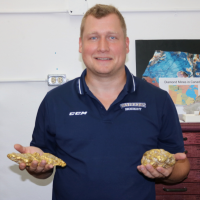 Dr. Evan Hastie is a professional geoscientist who specializes in Precambrian geology and ore deposits with an emphasis on ore-forming processes. He is currently a Precambrian Geoscientist with the Ontario Geological Survey, and an Adjunct Professor at the University of Toronto, researching and mapping in Precambrian terranes across Ontario. Evan received his M.Sc. in Geology from the University of Windsor, Canada (2014) and his Ph.D. in Mineral Deposits and Precambrian Geology from Laurentian University, Canada (2021). He has a strong background in mineralogy, geochemistry, structural geology and ore deposit research, and applies a wide variety of specialties in an integrated approach that begins with an emphasis on field mapping followed by detailed analytical methods. This approach aims to combine observations from the craton-scale to the nano-scale in order to understand geologic processes more completely.
Lab webpage
Pilar Madrigal, Phd, GEOMAR Helmholtz Centre for Ocean Research Kiel, Schleswig-Holstein, Germany
orcid.org/ 0000-0002-2089-0560
Research areas: Igneous Geochemistry, Igneous Petrology, Isotope Geochemistry, Magmatic Processes .
 Dr. Pilar Madrigal is a Researcher at GEOMAR Helmholtz Centre for Ocean Research Kiel, Germany. As an Igneous Geochemist and Petrologist her research interests include the mechanisms of mantle melting at mid-ocean ridges, hotspots, and during the formation of large igneous provinces. Her current research focuses on the origins of seamounts, especially non-hotspot seamounts, as windows into the heterogeneity of the upper mantle, as well as, processes of plume-ridge interaction in the early evolution of hotspots in the Pacific. Pilar completed her B.Sc. in Geology from the University of Costa Rica and earned her PhD at the Department of Geosciences at Virginia Tech in 2016. She moved back to the University of Costa Rica as a professor and researcher until 2023 when she was awarded a Marie Skłodowska Curie Fellowship to carry out her current research.
Lab webpage
Céline Martin, Phd, American Museum of Natural History, USA
Research areas: Metamorphic Rocks, Subduction zones, Serpentinites and Serpentine Mineralogy, Boron isotopes, LA-MC-ICP-MS.
 Céline is a French scientist with nearly two decades of experience studying fluid-rock interactions in subduction zones. Since 2013, her research has primarily focused on boron isotopes in serpentinites, aiming to trace the sources and pathways of fluids within these geological environments. She is based at the American Museum of Natural History, where she divides her time between conducting research and managing the Electron Micro Probe Analyzer (EMPA) as a Manager.
Lab webpage
D'Arcy Meyer-Dombard, Phd, University of Illinois, Chicago
orcid.org/0000-0001-9862-4839
Research areas: Geomicrobiology, Astrobiology, extreme environments, soil microbiomes, biofilms, biomineralization,
 Dr. D’Arcy Meyer-Dombard is an Associate Professor at the University of Illinois at Chicago. She explores the interactions between microorganisms fluids, and minerals, specifically in ecosystems that present environmental challenges and in geochemically interesting environments. This includes biogeochemical cycling in hydrothermal systems, springs tapping into the "deep" biosphere, and systems where biomineralization is occurring. She uses molecular (genomic), microbiological, geochemical, and isotopic parameters to identify the metabolic strategies, nutrient/energy requirements, and geochemical signatures (lipid biomarkers) of so-called "extreme" environments. Her focus over the next several years will be carbon, nitrogen, and energy cycling in hydrothermal sediment and biofilm communities, and serpentinizing springs. Dr Meyer-Dombard also has a long-standing interest in applications of Earth-analog environments in the study of astrobiology and life in early Earth ecosystems, and currently has funding to study the ability of Earth microbes to adapt to environmental conditions like those found on the moon, Titan.
Lab webpage
Lucia Pappalardo, Phd, INGV, Italy
Research areas: Petrology, Magma reservoirs, magma transfer
orcid.org/0000-0002-3598-587X
 Dr Lucia Pappalardo is a Senior Researcher at the National Institute of Geophysics and Volcanology, Italy. She received her PhD in Geophysics and Volcanology investigating large-scale explosive eruptions at the University of Naples Federico II. Her expertise is in volcanology and petrology with a specific focus on a) magma chamber evolution and eruption triggers; b) processes and timescale of magma ascent in volcanic conduits and their relationship with volcanic unrest indicators; c) characterization of the geothermal system through the study of the interaction of rocks with volcanic fluids and gases; d) quantitative analysis of X-ray microCT images of geomaterials.
Personal webpage
Yuan Shang, Phd, Geological Survey of Finland, Finland
orcid.org/0000-0001-9919-3604
Research areas: Paleoclimate, provenance analysis, detrital zircon U-Pb dating, aeolian deposit and transport
 Dr Yuan Shang is a research scientist at the Geological Survey of Finland. She received a double-doctorate degree in Geology at the University of Helsinki and Vrije Universiteit Amsterdam in 2018. Previously, she held a postdoctoral position at the State Key Laboratory of Estuarine and Coastal Research, East China Normal University, before returning to Finland in 2023. Her expertise lies in sedimentology and Quaternary Geology, with a broad interest in understanding earth surface processes and climate change. In her research, she examines both terrestrial and coastal stratigraphic records to investigate sediment sources, transport processes, and decode information about past climate and environment from those records. She is particularly interested in studying how sedimentary processes respond to tectonic movements, climate change, and human activities at different spatiotemporal scales. Currently, she is dedicated to the battery raw material traceability study using a combination of both established and novel geochemical techniques.
Personal webpage
Holly Stein, Phd, University of Oslo, USA
orcid.org/0000-0002-9709-7165
Research areas: Mineral and Hydrocarbon Resources, Ore Deposits, Re-Os Isotope Geochemistry, Mass Extinctions, Mercury, Critical Minerals, Graphite, Black Shales, Trace Metals, Radiogenic and Stable Isotope Applications for Paleoenvironment Reconstruction
 Dr. Holly Stein is a research professor at the University of Oslo, Norway. She is a Fulbright Scholar, and received the SEG Silver Medal (2005), Helmholtz-Humboldt Research Prize (2008), Bunsen Medal in Geochemistry from EGU (2020), and Scholarship and Innovation Award from CSU (2022). She holds a BS from Western Illinois University and MS and PhD from University of North Carolina at Chapel Hill. In 1996 Prof. Holly Stein founded the soft-money AIRIE Program at Colorado State University (CSU), and in 2000 she established a collaborative research exchange with the Geological Survey of Norway, bringing Re-Os (rhenium-osmium) geochronology to Scandinavia’s bedrock. Beginning September 2022, AIRIE joined Innosphere Ventures as the first commercial Re-Os laboratory for geochronology and Os-Hg tracer studies, from resource geology (minerals and petroleum) to remediation and nuclear waste sites.
Personal webpage
Santiago Tassara, Phd, Universidad de O´Higgins, Chile
orcid.org/0009-0003-4023-5947
Research areas: Petrology, Geochemistry, Economic Geology .
 Santiago Tassara is a geologist specializing in the relationships between magmatic processes and ore deposit formation. His research lies at the intersection of petrology, geochemistry, and mineral resources, and seeks to understand the magmatic and geodynamic processes that control the formation and regional-scale distribution of large base and precious metal deposits in subduction zones. Santiago earned his undergraduate degree in Geology from Universidad Nacional de La Plata, Argentina, followed by a Master’s in Mineral Resources from the University of Barcelona, Spain. After completing his Ph.D. in Earth Sciences at the University of Chile, he was awarded the Bateman Postdoctoral Fellowship at Yale University. Santiago currently holds an Assistant Professor position at the Institute of Engineering Sciences, Universidad de O´Higgins, in Chile.
Personal webpage.
Feifei Zhang, Phd, Nanjing University, China
orcid.org/0000-0003-3277-445X
Research areas: Isotope Geochemistry, Carbonate Geochemistry, Paleoclimatology and Paleoceanography, Atmosphere-Ocean Redox, Earth Surface Processes, Mass Extinctions, Historical Geobiology, Earth System Modeling
 Feifei Zhang is a professor of isotope geochemistry and historical geobiology at the School of Earth Sciences and Engineering, Nanjing University. He has established a leading isotope geochemistry laboratory at the university, where he studies paleoenvironmental and paleoclimatic changes. His research involves using Li, Ca, and Sr isotope systems to track continental weathering, Ba and Zn isotope systems to track marine productivity, and Fe, Mo, U, Ce, and Tl isotope systems to track marine redox conditions. He also integrates this laboratory work with Earth system modeling through collaborations to quantitatively understand the evolution of Earth's habitability—past, present, and future. Feifei was awarded the 2024 F.G. Houtermans Award by the European Association of Geochemistry in recognition of his significant contributions to understanding biosphere-environment co-evolution using non-traditional isotopes combined with numerical modeling.
Personal webpage
Geophysics and Geodynamics
Maria-Laura Balestrieri, Phd, IGG-CNR, Italy
orcid.org/0000-0002-8652-0845
Research areas: Themochrometry; Low-Temperature Thermochronology, Fission Track
 Dr Maria-Laura Balestrieri is a Senior Researcher at the Institute of Geosciences and Earth Resources of the National Research Council (CNR), Italy where she is responsible for the fission-track laboratory. She completed her Ph.D. in Earth Sciences at the Consorzio Università Parma, Ferrara, Firenze e Pavia (Italy) and was trained in thermochronometry at the La Trobe University, Melbourne (Australia) and at the Scottish Universities Environmental Research Centre (UK). For several years she has been involved in the Italian National Antarctic Research Project (PNRA) and she participated to two Antarctic campaigns. Her research is focussed on low-temperature thermochronology applied to different geodynamic settings and integrates bedrock and detrital thermochronology. She is a member of the International Standing Committee on Thermochronology (ISCT).
Personal webpage
Sylvain Barbot, Phd, University of Southern California, USA
orcid.org/0000-0003-4257-7409
Research areas: Earthquake physics, tectonic geodesy
 Dr Sylvain Barbot studied earthquake physics and tectonic geodesy at the Institut de Physique du Globe de Paris, the Institute of Geophysics and Planetary Physics at the Scripps Institution of Oceanography (University of California at San Diego), and, as a postdoc, at the California Institute of Technology. Dr. Barbot was a Nanyang Assistant Professor and National Research Fellow at the Earth Observatory of Singapore and the Asian School of the Environment. He is now an Associate Professor at the University of Southern California where he conducts research on the physics of friction, fault dynamics, and lithospheric deformation during the seismic cycle.
Personal webpage
Luca Dal Zilio, Phd, Nanyang Technological University, Singapore
orcid.org/0000-0002-5642-0894
Research areas: Tectonics, geodynamics, seismology, earthquake physics, numerical modelling
 Dr. Luca Dal Zilio is an Assistant Professor of Geophysics at Nanyang Technological University (NTU) in Singapore and a Principal Investigator at the Earth Observatory of Singapore (EOS). His research focuses on earthquake physics, geodynamics, the mechanics of porous media, and induced seismicity related to geothermal systems and CO2 sequestration. Prior to his current role, Dal Zilio completed his PhD at ETH Zurich in 2019, followed by a postdoctoral fellowship at the Seismological Laboratory of the California Institute of Technology (Caltech), and served as a Senior Researcher at ETH Zurich from 2021 to 2023.
Personal webpage
Domenico M. Doronzo, Phd, INGV, Italy
orcid.org/0000-0002-6866-8870
Research areas: physical volcanology; sedimentology; geophysical fluid dynamics; volcanic hazard; aeolian transport
 Dr. Domenico M. Doronzo is a volcanologist at Istituto Nazionale di Geofisica e Vulcanologia - Osservatorio Vesuviano, Italy. He completed a Ph.D. degree in Earth Sciences from Università degli Studi di Bari Aldo Moro, Italy. Investigation specialties related to those degrees are physical volcanology, experimental and computational fluid dynamics, petrology, and natural hazards. Then, he worked in volcanology and sedimentology, fluid dynamics and combustion, environmental sciences, and rock physics in the United States, Mexico, Spain, and Italy. In particular, he received the Rittmann Medal from Associazione Italiana di Vulcanologia, which is awarded to the best young Italian volcanologists. His research interests focus on integrating theory, field measurements, numerical modelling, laboratory and outdoor experiments to study geological processes and products in volcanic areas (Vesuvius, Campi Flegrei, Etna, Vulcano, Colli Albani, Tenerife, Altiplano Puna, and Colima, among others) from fluid dynamics and natural hazard perspectives. Specifically, he studies volcanic eruptions, pyroclastic currents and deposits, pre-eruption conditions, magma chamber growth, ground deformations, geo-materials fragmentation, eruption forecasting, volcanic (multi)hazard, lahars and debris flows, flow-building interactions, sand-and-dust storms and deposits, turbidity currents, man-made environmental phenomena, and geo-resources. Recently, he published comprehensive works on the famous 79 CE ‘‘Pompeii’’ Plinian eruption of Vesuvius by means of a multidisciplinary approach in volcanology applicable, from field to modelling, to any explosive volcanic eruptions on Earth.
Personal webpage
Vasiliki Mouslopoulou, Phd, National Observatory of Athens, Athens, Greece
Research areas: Geodynamics, Convergent plate-boundaries, Subduction seismogenesis, Earthquake cycle (seismic/aseismic) , Paleoseismology, Structural Geology, Fault growth, Seismic Hazard, Seismotectonics, Landscape analysis, Archaeoseismology, Natural Hydrogen.
 Vasiliki received her basic education in geosciences in Greece (Diploma), Norway (BSc) and New Zealand (PhD). Following this, she was awarded prestigious international fellowships (Irish Council of Science – IRCSET & Marie Curie International Incoming Fellowship) to undertake 5 years of post-doctoral research on faults and fault growth in UCD-Ireland and TU-Crete, respectively. As a Senior Scientist, first, at the GFZ Helmholtz Centre for Geosciences (2012-2018) and, later, at the National Observatory of Athens (2019-present), Vasiliki has pursued basic research relating primarily to global-scale geodynamic processes, from the earthquake-cycle to long-term lithospheric scale mountain building, with a focus on convergent margins. Her research merges empirical geophysical, geological and geodetic datasets within numerical models to better constrain processes of global significance. The benefits of the interdisciplinary nature of her research, has imprinted in her the importance in having no barriers between scientific disciplines.
Personal webpage
Adriana Paluszny, Phd, Imperial College London, United Kingdom
orcid.org/ 0000-0002-0821-0307
Research areas: Fluid Flow in Fractured Rocks, Permeability, coupled subsurface deformation, Fracture growth, Induced Seismicity, Long term subsurface energy storage, Computational Methods for Subsurface Modelling
 Adriana Paluszny is a Reader in Computational Geomechanics and a Royal Society University Research Fellow at Imperial College. She conducts fundamental and applied research in the development of numerical methods for the multi-physical simulation of subsurface systems. Her research focuses on the robust three-dimensional numerical modelling of nucleation, growth, slip and interaction of multiple discontinuities, with applications to the geomechanical modelling of fluid injection, the permeability of fractured rock masses, and emerging methods in computational mechanics.
Personal webpage
Gareth Roberts, Phd, Imperial College London, United Kingdom
orcid.org/0000-0002-6487-8117
Research areas: Geology, Geophysics, Geomorphology, Geochemistry, Ecology
 I am an Earth scientist with a research emphasis on geo- and environmental science. My team and I develop theory, new computational techniques and collect field data to understand how the Earth works from the mantle to the surface and its interaction with the environment and biota. We work with academic and industrial colleagues around the world. You can find an overview of my research and publications, courses I teach, and the excellent research students and postdocs I have supported on my website (https://www.garethgroberts.com). I have spent much of my academic career at Imperial College London. Before that I was a postdoc and PhD student at the University of Cambridge and an undergraduate in Durham University. I am a visiting associate at the California Institute of Technology.
Personal webpage
Afroz Ahmad Shah, PhD, University Brunei Darussalam, Brunei
Research areas: Active Faults, Tectonics, Earthquake Hazards, Structural Geology, Tectonic Geomorphology, Landslides, Floods, Disaster risk reduction, and Community resilience.
 Afroz Ahmad Shah is a Senior Assistant Professor of Structural Geology and Programme Leader of Geosciences at University Brunei Darussalam, and a National Geographic Explorer. He earned his Ph.D. from James Cook University, Australia, and later held a postdoctoral fellowship at the Earth Observatory of Singapore. Before joining UBD, he was a Senior Lecturer at Curtin University in Sarawak. His research investigates the brittle deformation of the lithosphere, with particular focus on earthquake-generating faults across South and Southeast Asia. He works at the intersection of science and society, seeking to translate hazard research into resilience by engaging directly with communities. Beyond academia, he is committed to science communication. He writes widely for newspapers, magazines, and online platforms, and runs the outreach page Earth Sciences with Shah on Facebook, dedicated to making geoscience accessible to broader audiences.
Personal webpage
Mara Monica Tiberti, Phd, Istituto Nazionale di Geofisica e Vulcanologia, Italy
orcid.org/0000-0003-2504-853X
Research areas: Tectonics and active tectonics, seismogenic faults and subduction zones, earthquake geology, gravity modelling, seismotectonics, radiocarbon datings, paleoshorelines.
 Dr. Mara Monica Tiberti is a geologist at Istituto Nazionale di Geofisica e Vulcanologia, Rome, Italy. She obtained a PhD in Geodynamics from the University of Roma Tre (Italy). Mara’s main research interests are the identification and parameterization of seismogenic faults and subduction zones and their long-term behavior. Her research activities consist of both fieldwork and lab analysis across a variety of disciplines, such as geomorphology, structural geology, and geophysics. These include gravity modelling to constrain crustal structures and paleoshorelines studies to constrain vertical tectonic movements. Mara is involved in the management and update of the Database of Individual Seismogenic Sources (DISS, https://diss.ingv.it/), a repository devoted to potential applications in the assessment of seismic and tsunami hazards.
Personal webpage
Sébastien Valade, Phd, Institute of Geophysics, UNAM, Mexico
orcid.org/0000-0002-6687-7302
Research areas: Volcanic eruption dynamics, Ground and satellite based volcano monitoring, geophysics
 Dr. Sébastien Valade is Professor at the Institute of Geophysics (UNAM, Mexico) within the department of Volcanology. His research interests focus on the study of volcanic eruptive processes, using multiparametric geophysical and remote sensing monitoring. This research takes him on field campaigns at active volcanoes around the world, and when travel is not on the agenda, it leaves him delving through satellite datasets to unravel eruptive dynamics. He is the founder and developer of the satellite-based global volcano monitoring system MOUNTS (Monitoring Unrest from Space), which is used by several volcano observatories worldwide. Prior to his current position, he worked at the LMV (Lab. Magmas et Volcans, France) where he obtained his PhD, and later worked as a postdoc at LGS (Lab. GeofÃsica Sperimentale, Italy) and TU-Berlin / GFZ (Germany).
Personal webpage
Carlos Alberto Vargas Jiménez, Phd, Universidad Nacional de Colombia, DC, Colombia
orcid.org/0000-0002-5027-9519
Research areas: Seismic Attenuation, Earthquake Tomography, Geodynamics, Basin Analysis and Thermal Structure of the Lithosphere.
 Dr. Carlos Alberto Vargas Jimenez is a Full Professor in the Department of Geosciences at the Universidad Nacional de Colombia at Bogotá, with a Ph.D. in Geophysics from the Technical University of Catalonia. His expertise lies in seismology, geophysics, natural hazard assessment, basin analysis, and geodynamics. Dr. Vargas Jimenez has made significant contributions to the understanding of seismic activity and the thermal structure of the lithosphere, particularly in the Andean region. He has led research teams and been president of Colombia's Geological Society and the Latin American and Caribbean Seismological Commission. He also served as the Director of the Transparency Center of the Integral Research Pilot Projects on Fracking. His work includes serving has Deputy Director of the National Hydrocarbon Agency, scientist in the Colombia Geological Survey, and as a member of the Scientific Board for UNESCO’s International Program of Geosciences and Geoparks.
Personal webpage.
Teng Wang, Phd, Peking University, China
orcid.org/0000-0003-3729-0139
Research areas: radar imaging geodesy, crustal deformation, natural hazards
 Dr Teng Wang is an Assistant Professor at the Geophysics Department, School of Earth and Space Sciences, Peking University, Beijing, China. He received Ph.D. degrees in information technology from Wuhan University, Wuhan, China and Politecnico di Milano, Milan Italy in 2010. Then he conducted his post-doctoral researches at several institutes worldwide, including the King Abdullah University of Science and Technology (KAUST) in Saudi Arabia, Southern Methodist University in the USA. Earth Observatory of Singapore (EOS), Nanyang Technological University in Singapore. Since 2018, he leads the radar imaging geodesy group at Peking University. His research focuses on analyzing radar signals reflected from the Earth surface, which allows mapping mm-cm level ground deformation with a resolution up to a few meters. The derived deformation measurements can improve our understanding of many geo-processes such as plate tectonics, earthquakes, landslides, volcanic eruptions, hydrological processes, crustal rebound, and many more.
Personal webpage
J. Kim Welford, Phd, Memorial University of Newfoundland, Canada
orcid.org/0000-0002-5919-5303
Research areas: Seismology, Tectonics, Rifted Margins, Potential Fields, Kinematic Plate Reconstructions
 Dr. J. Kim Welford is an Associate Professor in the Department of Earth Sciences at Memorial University of Newfoundland, Canada, where she leads the Memorial Applied Geophysics for Rift Tectonics (MAGRiT) research group. She holds a B.Sc. in Planetary Sciences from McGill University (1997) in Montreal and both an M.Sc. (2000) and a Ph.D. (2004) in Geophysics/Seismology from the University of British Columbia in Vancouver. Kim is an applied controlled-source seismologist with extensive expertise in potential field methods and kinematic plate reconstructions. She embraces a multidisciplinary research approach to solving Earth science problems and is most passionate about lithospheric-scale plate tectonic targets, particularly those focused on extensional tectonics and rifted margins, with the margins of the North Atlantic Ocean acting as her primary research laboratory. Kim is in direct supervisorial lineage from renowned Canadian geophysicist Dr. J. Tuzo Wilson, architect of the Wilson cycle, and she feels a responsibility to continue his legacy toward improving our understanding of tectonics on Earth and also on other planetary bodies.
Zhendong Zhang, Phd, Institute of Geology and Geophysics, Chinese Academy of Sciences, Beijing, China
orcid.org/ 0000-0003-4689-1577
Research areas: Mantle Discontinuities, Antarctica, Critical Zone, Seismic Imaging and Inversion
 Dr. Zhendong Zhang received a B.Sc. in geophysical prospecting from China University of Petroleum (Beijing), Beijing, China, in 2013 and a Ph.D. from the King Abdullah University of Science and Technology, Thuwal, Saudi Arabia, in 2019. Before joining the Institute of Geology and Geophysics, Chinese Academy of Sciences, he worked as a postdoc at Princeton University (2020-21) and MIT (2021-23), focusing on high-resolution seismic imaging of the Earth across scales. His research interests include global mantle discontinuities, west Antarctica ice sheets, and geophysical prospecting for petroleum and minerals. Dr. Zhang was a recipient of the Geophysics Reviewer of the Year Award at the Society of Exploration Geophysics in 2022.
Personal webpage.
High-latitude science
Keiichiro Hara, Phd, Fukuoka University, Japan
orcid.org/0000-0001-7440-7776
Research areas: Aerosol science, Atmospheric Chemistry, Material exchange among air, snow, and ocean, Air pollution, Antarctica, Southern Ocean, Arctic
 Dr. Keiichiro Hara is an Assistant Professor in the Department of Earth System Science, Faculty of Science, Fukuoka University in Japan. His current research focuses on aerosol science, atmospheric chemistry, and material exchange among air, snow, and ocean. Particularly, he is interested in atmospheric cycles of aerosols and reactive gases in polar regions and their climate impacts. He received BS and MS in Chemistry from Tokyo University of Science in Japan, and Ph.D in Particle and Astrophysical Science from Nagoya University in Japan. He worked as a postdoctoral researcher at National Institute of Polar Research in Japan and Alfred Wegener Institute, Helmholtz Centre for Polar and Marine Research in Germany.
Personal webpage
Angelika Humbert, Phd, Alfred Wegener Institute Helmholtz-Centre for Polar and Marine Research, Germany
orcid.org/0000-0002-0244-8760
Research areas: Glaciology, ice sheets, glaciers, modelling, satellite remote sensing, airborne and in-situ measurements.
 Angelika Humbert studied physics at the Technical University of Darmstadt where she conducted my diploma thesis in elementary particle physics. After a maternity leave, she switched to the field of glaciology, conducting a PhD in simulating ice shelf flow at the same university. As a PostDoc, she worked at the WWW Münster, before getting a professorship for glaciology at the University of Hamburg. Since 2012, she led the ice sheet modelling and remote sensing group at the Alfred Wegener Institute Helmholtz Centre for Polar and Marine Research and hold a professorship at the University of Bremen. Her research topics comprise the following: Studying the dynamics of ice sheets, glaciers, and ice shelves, including system studies as well as process studies. Multi-scale hybrid-physics modelling of the dynamics of the Antarctic and Greenland ice sheet, projections of ice sheets, ice-ocean interaction, subglacial hydrology, ice fracture mechanics and viscoelastic modelling. Satellite radar remote sensing of ice, including structural glaciology, altimetry, SAR and polarimetry of ice. Interdisciplinary research between glaciological modelling, field observations and remote sensing. The courses taught by her range from Introduction to Glaciology, Theoretical Glaciology, mechanics of Glaciers and Ice Sheets and Remote Sensing of Ice Sheets.
Personal webpage.
Ilka Peeken, Phd, Alfred Wegener Institute Helmholtz Centre, Germany
orcid.org/0000-0003-1531-1664
Research areas: The effect of climate change on polar marine sea-ice biota and related ecosystems. Micro plastic in Arctic environments. Biological sources of climate relevant trace gases in the ocean
 Dr Ilka Peeken is a researcher at the Alfred Wegener Institute Helmholtz Centre for Polar and Marine Research (AWI), Germany, where she investigates the biology, biogeochemistry and pollution of sea ice. She studied Marine Biology at the University of Kiel, and for her PhD project at the former Institute for Marine Sciences (IfM), she developed methods for directly recording difficult-to-measure ecosystem processes in the Antarctic and Arctic Oceans using marker pigments. After her PhD she worked at the Scripps Institution of Oceanography in La Jolla, USA, focusing on the measurement of stable isotopes in pigments from marine sediments. In 2000, she returned to the Leibniz Institute of Marine Sciences in Kiel studying the effect of the micronutrient iron on algae in the Southern Ocean and focused on the role marine algae for the production of climate-relevant trace gases in tropical regions. From 2008 she worked in a collaborative project between the University of Bremen and the AWI, and started investigations about the effect of climate change on polar sea-ice biota and related ecosystems, particularly in the Arctic. In 2013, she began working at the AWI, where her primary focus is currently on the connections between sea ice and the various algae living within and beneath it with special emphasis on biodiversity changes. Her aim is to estimate the extent to which climate change is altering the sea-ice habitat and what these changes mean for the cryo- pelagic and cryo-benthic coupling. At the same time, she is investigating sea-ice contamination due to microplastic particles and the consequences of this pollution for sea-ice organisms.
Personal webpage
Shin Sugiyama, Phd, Hokkaido University, Japan
orcid.org/0000-0001-5323-9558
Research areas: glaciers, ice sheets, ice-ocean/lake interactions, Greenland, Antarctica, Patagonia
Dr S hin Sugiyama is a Professor at the Institute of Low Temperature Science, Hokkaido University in Sapporo, Japan. He studies a broad aspect of mountain glaciers and polar ice sheets. He is often in the field to perform in-situ measurements on and around glaciers. The primary goal of his research is to better understand physical processes driving glacier changes from detailed in-situ data with the aid of satellite observations and numerical experiments. His activities in the field include mass balance monitoring, high frequency ice dynamics measurements, lake/ocean surveys and hot-water drilling for borehole measurements. The focus of his current research is ice-water interactions at the front of marine- and lake-terminating glaciers in Greenland, Antarctica and Patagonia. Shin Sugiyama received his MEng in ultra-high-pressure physics from Osaka University and his PhD in glaciology from Hokkaido University in Japan. He worked as a postdoctoral researcher at VAW, ETH-Zurich before he returned to Sapporo in 2005.
Personal webpage
Hydrology & freshwater biogeochemistry
Dania Albini, Phd, University of Essex, United Kingdom
orcid.org/0000-0003-4236-1536
Research areas: aquatic ecology, stressor ecology, plankton ecology, global change
 Dr. Albini is an aquatic ecologist studying how aquatic ecosystems respond to global change and multiple stressors. Dania is a Senior Research Officer at the University of Essex, working on the Leverhulme project webDNA. Her research explores the impacts of multiple stressors across various levels of biological organisation—from individual organisms to food webs and entire ecosystems—using approaches that range from controlled laboratory experiments to field studies.
Personal webpage
Rahim Barzegar, Phd, Université du Québec en Abitibi-Témiscamingue (UQAT), Canada
orcid.org/0000-0002-1941-2991
Research areas: Hydro(geo)logy, machine learning, time series analysis, water quality, climate change
 Dr. Rahim Barzegar is an assistant professor at the Research Institute on Mines and the Environment (RIME) at the Université du Québec en Abitibi-Témiscamingue (UQAT) in Canada. He holds a PhD in Hydrogeology from the University of Tabriz in Iran. He also completed postdoctoral fellowships at McGill University, Wilfrid Laurier University, and Waterloo University in Canada. His primary area of research focuses on exploring novel approaches in hydro(geo)logical and environmental modeling, specifically using machine learning and deep learning techniques. In addition, he is actively involved in other research endeavors such as time series analysis and modeling, water quality assessment, groundwater vulnerability/risk assessment, water resources management, and examining the impacts of climate change on water resources.
Personal webpage
Rajarshi Das Bhowmik, Phd, Indian Institute of Science, Bangalore, India
orcid.org/0000-0002-2849-3180
Research areas: Unprecedented events, urban floods, flood forecasting, decadal predictions.
 Dr. Rajarshi Das Bhowmik is an Assistant Professor at the Interdisciplinary Centre for Water Research (ICWaR), Indian Institute of Science (IISc) Bangalore. He is also an associate faculty at the Department of Civil Engineering. Dr. Bhowmik leads the Hydroclim@IISc Group, where his team investigates unprecedented hydrometeorological events, urban floods, and hydrologic uncertainties. The group integrates remote sensing, numerical modeling, and AI-driven techniques to enhance hydrological predictions. He holds a PhD from North Carolina State University (USA), was a postdoctoral fellow at the Hong Kong University of Science and Technology, and served as an INSPIRE Faculty at IISc Bangalore. His research contributes to improving hydrological forecasting and climate resilience strategies. Personal webpage.
Yangxiaoyue Liu, Phd, Institute of Geographic Sciences and Natural Resources Research, Chinese Academy of Sciences, Beijing, China
orcid.org/0000-0003-3762-117X
Research areas: hydrology, soil moisture, remote sensing, machine learning, climate change, statistical modelling, spatial and temporal series analysis.
 Dr. Yangxiaoyue Liu is an Assistant Professor in the State Key Laboratory of Resources and Environmental Information System at the Institute of Geographic Sciences and Natural Resources Research, Chinese Academy of Sciences. She received the Ph.D. degree in Geographic Information System from the Chinese Academy of Sciences in 2019. She conducted the post-doctoral research in Guangzhou Institute of Geography, Guangdong Academy of Sciences. Since 2021, she works at the Institute of Geographic Sciences and Natural Resources Research, Chinese Academy of Sciences. And she became an Assistant Professor since January 2024. Her main research areas include remote sensing-based hydrology and soil moisture analysis. Her current research focuses on using computational and machine learning methodologies for multi-source soil moisture dataset accuracy evaluation, spatial and temporal variation investigation, and multi-scale fusion.
Personal webpage.
Rodolfo Nobrega, Phd, University of Bristol, United Kingdom
orcid.org/0000-0002-9858-8222
Research areas: Hydrology, soil-vegetation-atmosphere, ecohydrology, evapotranspiration, water and carbon cycles, water governance
 Dr Rodolfo Nobrega is a Lecturer in the School of Geographical Sciences at the University of Bristol, UK. He is an ecohydrologist interested in understanding the role of water in ecosystems and its synergy with other terrestrial biosphere and anthroposphere components. Rodolfo completed his doctoral studies at the Georg-August University of Göttingen, Germany, and worked on research projects as a postdoc at the University of Reading and Imperial College London, UK. He uses plot, community, and catchment scales to identify and assess ecosystem processes on regional and global levels to support theories that reduce equifinality in hydrology and Earth System science models.
Personal webpage
Srinivas Rallapalli, Phd, Birla Institute of Technology and Science, Pilani, Rajasthan, India
orcid.org/ 0000-0003-0550-7356
Research areas: AI and Remote sensing in water resources and agriculture, Hydro climatology, Environmental Hydrology, Agriculture water management
 Prof. Srinivas Rallapalli is currently serving as Assistant Professor at BITS Pilani, India and Adjunct Assistant Professor at University of Minnesota, US since 2020. His research areas are Hydro climatology, Agriculture water management, AI and GIS application in water resources, environmental hydrology. He completed his Postdoc from University of Minnesota prior to joining BITS. He has more than 50 publications in reputed journals such as Journal of Hydrology, Scientific Reports, Water Research, Computers and Electronics in Agriculture, Science of the Total Environment, etc. He is also serving as the reviewer of these journals. He is currently working on research projects awarded by reputed organizations in India like Indian Space Research Organization, National Rural Road Infrastructure Agency and The Nature Conservancy. He was awarded by University of Michigan in Data Science Symposium for performing exceptional research at University of Minnesota. He has recently won Director award (2025) at BITS Pilani for publishing highest impact factor paper in Water Research.
Personal webpage
Temitope Sogbanmu, Phd, University of Lagos, Nigeria
orcid.org/0000-0002-8913-267X
Research areas: Ecotoxicology, Biomonitoring, Ecological Risk Assessment, Fish Embryotoxicity, Whole Effluent Toxicity, Aquatic Toxicology, Climate Change Indices-Organic Pollutants-Fisheries Interactions, Environmental Evidence Synthesis, Environmental Risk Perception, Low-Cost Pollution Management Technologies
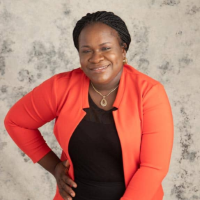 Dr Temitope Sogbanmu is an Environmental Toxicologist with several years of cognate experience in applying innovative ecological and toxicological techniques in monitoring, risk assessment and management of organic pollutants and emerging pollutants including wastewaters in various matrices. This is with a view to developing and providing targeted environmental management advice to various publics. She holds a BSc in Zoology and PhD in Environmental Toxicology and Pollution Management with short-term doctoral and post-doctoral trainings in the UK, Canada and Germany. She is a serial multiple award/grant winning scholar, Editorial Board member and reviewer of several environmental journals. Dr Sogbanmu is the Founder, Evidence Use in Environmental Policymaking in Nigeria (EUEPiN); Affiliate, African Academy of Sciences; Advisory Board Member, One Health and Development Initiative and active member, Society of Environmental Toxicology and Chemistry (SETAC), among others. She is a Senior Lecturer and Team Lead of the Environmental Evidence Synthesis and Knowledge Translation (EESKT) Research Group, TETFund Centre of Excellence in Biodiversity Conservation and Ecosystem Management at the University of Lagos, Nigeria. Dr Sogbanmu is an advocate of the United Nations Sustainable Development Goals 6, 11, 13, and 14, African Union Agenda 2063 Goal 7, Evidence for Policy, Science and Risk Communication.
Personal webpage
Patricia Spellman, Phd, University of South Florida, USA
orcid.org/
Research areas: Surface water hydrology, groundwater hydrology, modelling, karst geology and hydrology, flood risk, time series analysis, sustainable water management.
Patricia Spellman is an Assistant Professor at the University of South Florida in the School of Geosciences. Broadly, she is a surface and groundwater hydrologist whose research is centralized around improving water resource management. She obtained her M.S. in geology modelling fluid flow in fractured karst aquifers during floods. She followed with a PhD in water resources engineering using surface water models to improve flood risk estimates in permeable catchments under different climate change scenarios. During her post-doctorate work, she studied agricultural impacts to a large karst aquifer by using combined surface and groundwater models used in her previous graduate research. Her current research draws on her multidisciplinary education employing fieldwork, time series analysis and geochemical and hydrological modelling to understand climate, anthropogenic, and landscape controls on water quality and quantity. Dr. Spellman works collaboratively with water resource agencies and uses her research to inform resource management and improve decision-making tools.
Personal webpage
Giada Varra, Phd, University of Naples Parthenope, Italy
orcid.org/0000-0002-9078-5299
Research areas: Flood hazard and risk, urban flooding, hydrological and hydraulic modelling, surface water hydrology, flood resilience and adaptation
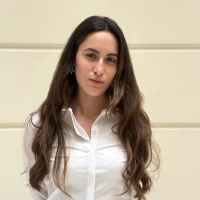 Dr. Giada Varra is an Assistant Professor in the Department of Engineering at the University of Naples “Parthenope,†Italy. She earned her Ph.D. in Environmental Phenomena and Risks from the same university in 2021. Her doctoral research focused on the mathematical and numerical modelling of flood phenomena, specifically using both classical shallow water equations and porosity-based shallow water models. In 2020, as part of her Ph.D. programme, she conducted a research stay abroad at the Université Catholique de Louvain, Louvain-la-Neuve (Belgium), under the supervision of Professor Sandra Soares-Frazao. Since 2022, she has been involved in a collaborative research project with the Italian national railway company Ferrovie dello Stato Italiane and the University of the West of England, Bristol (UK), aimed at developing methodologies to improve the resilience of railway infrastructure networks against flooding and debris flow events. Her research primarily focuses on the mathematical and numerical modelling of floods for hazard and risk assessment, as well as the analysis of water interaction with hydraulic structures. Her areas of interest include hydrological and hydraulic modelling, geo-hydrological hazards, hydro-informatics, extreme weather events, flood resilience and adaptation. Dr. Giada Varra is a member of the International Association for Hydro-Environment Engineering and Research (IAHR) and the national Gruppo Italiano di Idraulica (GII).
Personal webpage
Haihan Zhang, Phd, Xi'an University of Architecture & Technology, China
orcid.org/0000-0001-8196-9881
Research areas: Freshwater ecosystem, nitrogen and carbon cycling, reservoirs and lakes, sediment microbial community, DNA sequence, water microbial ecology and modelling.
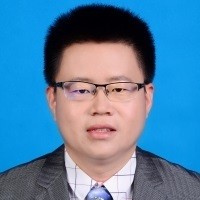 Dr. Haihan Zhang is a full professor in the School of Environmental and Municipal Engineering, Xi’an University of Architecture and Technology, Shaanxi Province, People's Republic of China. The research focuses on the water and sediment microbial ecology characteristics in freshwater ecosystem, especially for reservoirs and lakes, the nitrogen and carbon cycling in freshwater. Dr. Zhang had published in many SCI journals, Environmental Science and Technology, Journal of Hydrology, Water Research, and Microbial Ecology, et al. Meanwhile, he is an editorial board members for 6 journals. He received the first prize of Shaanxi Provincial Science and Technology Award.
Personal webpage
Ocean science
Anna Bulczak, PhD, Institute of Oceanology of the Polish Academy of Sciences, Poland
Research Areas: Ocean dynamics, ocean mixing and turbulence, mesoscale and submesoscale variability, basin-scale circulation, sea-level variability, ocean ventilation, biophysical interactions, satellite altimetry, in situ ocean observations, numerical ocean modelling
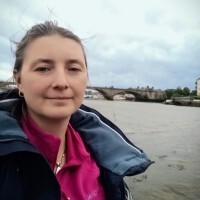 Anna Bulczak is an Assistant Professor in the Department of Physical Oceanography, Ocean Observation Laboratory at the Institute of Oceanology, Polish Academy of Sciences (IOPAS), Poland. Her research focuses on ocean dynamics across a broad range of spatial and temporal scales, including small-scale mixing processes, ocean circulation, and sea-level variability. She is particularly interested in understanding variability from turbulent mixing to basin-scale and long-term changes, integrating in situ observations, Earth observation data, and numerical modelling. Anna Bulczak received a BSc in Ocean Science from the University of Plymouth (2008), where she studied oceanic turbulence, and a PhD from the University of Southampton (2012), where she studied ocean circulation in the ice-covered Nordic Seas using satellite altimetry. She is a sea-going oceanographer with significant expertise in ocean observation. She has led multiple research projects on ocean mixing, circulation, and sea-level dynamics in regional and polar seas, and has extensive experience in designing and executing ocean observation programmes. Prior to her academic appointment, she worked as a Project Manager at SME isardSAT, where she managed ESA-funded projects focused on Arctic ocean and sea-ice dynamics.
Personal webpage
Annie Bourbonnais, Phd, University of South Carolina, USA
orcid.org/0000-0001-7247-5230
Research areas: Marine biogeochemistry, Marine nitrogen cycle, Nitrogen and carbon stable isotopes, Dissolved gases (N2, O2, Ar) as tracers of oceanic physical and biological processes, Trace gas production (N2O) in marine environments, Chemosynthetic deep-sea ecosystems, Oxygen minimum zones
 Dr Annie Bourbonnais is an assistant professor at the University of South Carolina (UofSC), USA, where she leads the Marine Stable Isotope Biogeochemistry Laboratory at the School of the Earth, Ocean and Environment. Before joining UofSC in August 2018, she was a research professor at the University of Massachusetts Dartmouth and a postdoctoral fellow at the Woods Hole Oceanographic Institution. She obtained her Ph.D. at the University of Victoria (Canada) in 2012. Her research is focused on the biogeochemical oceanographic processes that affect climate, particularly the cycling of nitrogen (N), an essential nutrient for all organisms that limits primary productivity in most of the ocean. She uses the stable isotope ratios of reactive N pools as a primary tool and tracer to study N transformations in marine and lacustrine environments. Her current research investigates the sources and sinks of nitrous oxide, a potent greenhouse gas, from concentration and stable isotopic data from different oceanic environments, such as oxygen minimum zones, the Arctic, the Gulf of Mexico, and the Benguela Upwelling system. She is also a key participant in a NSF EPSCoR project using computational methods and autonomous robotics systems for modeling and predicting harmful cyanobacterial blooms in South Carolina lakes.
Personal webpage
Giulia Faucher, Phd, GEOMAR - Helmholtz-Zentrum für Ozeanforschung Kiel, Germany
Research areas: Plankton physiology and ecology; Ocean changes (ocean acidification, global warming, trace metals); Role of phytoplankton in carbon cycling and its response to environmental changes; Effectiveness and ecological impacts of ocean alkalinity enhancement as a method to remove atmospheric CO.
 Giulia Faucher is a marine scientist passionate about understanding how our oceans can help tackle climate change. She holds a Marie Skłodowska-Curie Fellowship and works as a postdoctoral researcher at GEOMAR Helmholtz Centre for Ocean Research Kiel, within the Biogeochemical Processes group of the Biological Oceanography section. She earned her PhD in Natural Sciences from the University of Milan, where she developed her expertise in marine (paleo)ecology and biogeochemistry. Her research focuses on Ocean Alkalinity Enhancement (OAE), an innovative approach that enhances the ocean’s natural ability to absorb carbon dioxide. By studying phytoplankton and coccolithophores (Emiliania huxleyi in particular), she investigates how these microscopic communities respond to shifts in seawater chemistry. Giulia’s recent work highlights both the potential and the delicate balance of OAE: increasing alkalinity can strengthen the ocean's role as a carbon sink but must be carefully managed to safeguard marine ecosystems. Based in Germany, she also collaborates with international networks, contributing to the global effort to explore safe and effective ocean-based climate solutions.
Personal webpage
Jiaojiao Gou, PhD, Beijing Normal University, China
Research Areas: Terrestrial water resources, Land surface modelling, Hydrometeorology, Climate change, Model Uncertainty, Water sustainability
 Dr Jiaojiao Gou is an Associate Professor, the Faculty of Arts and Sciences at Beijing Normal University, China. Gou earned a Ph.D. degree in 2021 and completed a Postdoctoral Fellowship with China Postdoctoral Innovative Talent Support Program in 2023 from the Beijing Normal University. Her research focuses on the effects of climate change on the water cycle and water sustainability, using a diverse range of analytical and land surface modeling tools. In addition, Dr. Gou studies the stochastic hydrology that quantifies the uncertainty associated with model predictions. She has published more than 30 papers in the peer-reviewed journals including PNAS, BAMS, and WRR. She developed a China natural runoff dataset (CNRD) at grid, station, and river reach scales. She also served as a core member of the VIC-BNU model adaptation for the Inter-Sectoral Impact Model Intercomparison Project Phase 3 (ISIMIP3) simulations.
Personal webpage
Lidiane Gouvêa, Phd, University of Algarve, Portugal
orcid.org/ 0000-0001-7010-5500
Research areas: climate change impacts, biogeography, ecophysiology, chemical ecology, statistical modelling, marine biodiversity, mangroves, macroalgae, coral reefs, seagrasses.
 Dr. Lidiane Gouvêa is a collaborating researcher at the Center of Marine Science (CCMAR), University of Algarve, Faro, Portugal. She holds an MSc in Biology of Fungi, Algae, and Plants, and a PhD in Ecology from the Federal University of Santa Catarina, Florianopolis, Brazil. Her multidisciplinary approach combines coastal and marine biodiversity, climate change, ecophysiology, and statistical modeling to assess the future challenges and consequences climate change will impose on marine ecosystems. This includes evaluating potential scenarios, ranging from the goals of the Paris Agreement to more extreme socio-economic pathways. She also provides crucial baselines to assist decision-makers in evaluating the biodiversity impacts of different climate policies.
Personal webpage
Weiqing Han, Phd, The University of Colorado, USA
orcid.org/0000-0003-3633-9105
Research areas: Tropical ocean circulation and dynamics; air-sea coupled climate variability and climate change; regional sea level variability and change; extreme sea level events and marine heatwaves.
 Dr. Weiqing Han is a professor of physical oceanography and climate at the University of Colorado at Boulder. She received her PhD at Nova Southeastern University in 1999. Her research focuses on large-scale tropical ocean circulation and dynamics, air-sea coupling, regional sea level variability and change, extreme events, and intraseasonal-to-decadal climate variability and climate change.
Personal webpage
Jose Luis Iriarte, Phd, Universidad Austral de Chile, Chile
orcid.org/0000-0002-8346-6070
Research areas: Antarctic and Subantarctic marine ecosystems, air-sea interactions, ocean biogeochemistry, ocean variability, Anthropogenic effects on aquatic systems
 Dr Jose Luis Iriarte is a Full Professor of the Aquaculture Institute at the Universidad Austral de Chile, Chile and a Principal Scientist in the Center Dynamics of High Latitude Marine Ecosystems. His research focuses on phytoplankton ecology in Antarctic and subantarctic systems. Since 2000, his main line of research has been focused in studying the dynamics of dissolved inorganic major nutrients related to phytoplankton blooms, as well as observing long term changes in climatic, hydrological and oceanographic variables in the fjords and their effects on phytoplankton biomass and primary productivity. At present, significant research efforts is focused on pH/pCO2 dynamics through time-series analyses, to assess the annual variability in the carbonate systems to climatological/hydrologic variability in glacier-fjord system and how they respond to natural perturbations (e.g. El Niño/La Niña, SAM, volcanic eruption). All these results will aid understanding for the role of main drivers (Climate Change, regional anthropogenic impacts) that explain the seasonal and inter-annual variability of autotrophic/heterotrophic microbial processes in present and future productivity scenarios in Antarctic and subantarctic marine systems
Personal webpage
Sreelekha Jarugula, Phd, Jet Propulsion Laboratory, USA
orcid.org / 0000-0003-2171-2480
Research areas: Ocean salinity and hydrological cycle, Air-sea interaction, Land-sea exchanges, Tropical Ocean basin interactions, extreme climate events.
 Dr. Sreelekha Jarugula is currently a postdoctoral fellow at the NASA Jet Propulsion Laboratory (JPL), California, USA. She holds a Ph.D. in physical oceanography from the Indian Institute of Science (IISc), Bangalore, India. Before joining JPL, she was a National Research Council (NRC) postdoctoral fellow at the NOAA Pacific Marine Environmental Laboratory (PMEL) in Seattle, USA. Her research focuses on understanding the variability of near-surface ocean salinity and temperature across various spatiotemporal scales and their implications for air-sea interaction and extreme climate events. She uses data from multiple observing platforms, including satellites, moorings, profiling floats, research ships, as well as reanalysis data and model output, to explore how the atmospheric fluxes and land-sea exchanges impact the near-surface layer of the coastal and open oceans in a rapidly changing climate system.
Personal webpage
Sophia Johannessen, Phd, Institute of Ocean Sciences, Canada
orcid.org/0000-0003-3788-2994
Research areas: biogeochemical cycling in coastal waters, sediment carbon burial, sinking particles, climate change
 Sophia Johannessen is a Research Scientist at Fisheries and Oceans Canada, located at the Institute of Ocean Sciences on Vancouver Island. She received her doctoral degree in Oceanography from Dalhousie University in 2000. The main theme of her research is the effects of climate change and local human activities on the coastal ocean. She uses geochemical tools, such as sediment cores, sediment traps and moored instruments, and studies the dynamics of carbon, oxygen, nitrogen and mercury. She applies the results to practical questions, including the footprint of municipal effluent, the fate of spilled diluted bitumen, changes in primary productivity, and the role of blue carbon burial in seagrass meadows for climate change mitigation. She holds an adjunct appointment at the University of Manitoba.
Personal webpage
Shan Liu, Phd, Sun Yat-sen University, China
orcid.org /0000-0002-2739-9977
Research areas: Marine geology, Bottom-current process, Sedimentary depositional system, Marine Sediments, Seafloor morphology.
 Dr. Shan Liu is a marine geologist and an associate professor at Sun Yat-sen University. Prior to joining SYSU in 2020, she earned her Ph.D. from Ghent University in Belgium. Her research centers on deep-sea sedimentary processes and the sedimentary evolution of continental margins. She is particularly interested in deep-water sedimentary systems, seafloor morphology, bottom-current deposits, and the ways in which oceanic circulation shapes continental margins over geological timescales (millions of years). Her work involves integrating core samples, outcrops, and seismic data. More recently, her research has expanded to explore the interactions between oceanic gateway tectonics, oceanic currents, and sedimentary processes.
Personal webpage
Viviane Vasconcellos de Menezes, Phd, WHOI, USA
orcid.org/0000-0002-4885-2056
Research areas: ocean circulation, air-sea interaction, water mass formation, Antarctic Bottom Water, Indian Ocean, Red Sea
 Dr Viviane Menezes is an Assistant Scientist at the Physical Oceanography Department at Woods Hole Oceanographic Institution (WHOI), US. Her research focuses on the 3D circulation and air-sea interaction of the monsoon-dominated Indian Ocean (and its marginal seas) and the Southern Ocean. She is particularly interested in understanding the recent changes in Antarctic Bottom Water and the abyssal and deep circulation-- crucial components of the global overturning circulation that regulates the Earth’s climate in multiple time scales. Before moving to the US for a postdoc at WHOI, Viviane Menezes was awarded a Ph.D. in Marine Sciences by the CSIRO-University of Tasmania Joint Program in Hobart, Australia. She has a MS in Remote Sensing from the Brazilian National Institute for Space Research (INPE) and a BS in oceanography from the Rio the Janeiro State University (UERJ), Brazil.
Personal webpage
Regina Rodrigues, Phd, Federal Univ. of Santa Catarina, Brazil
orcid.org/0000-0001-8010-4018
Research areas: Climate variability, large-scale ocean and atmospheric dynamics and teleconnection patterns in the Southern Hemisphere, extreme events
 Dr Regina R. Rodrigues is a professor of Physical Oceanography at the Federal University of Santa Catarina (UFSC), Brazil. Before joining UFSC in 2010, she received her PhD from the Graduate School of Oceanography, University of Rhode Island, USA. She is interested in understanding how tropical ocean basins interact and affect the extra-tropics leading to extreme events, using observations and modelling. Her research has also focused on the impacts of ENSO variability on the climate of South America and the Tropical Atlantic. More recently she has her attention on the physical mechanisms generating compound extreme events of droughts, land and marine heatwaves.
Personal webpage
Nadine Schubert, Phd, CCMAR- Center of Marine Sciences, Portugal
orcid.org/0000-0001-7161-7882
Research areas: climate change impacts on marine organisms and habitats, ecophysiology, calcification, photosynthesis, carbon fluxes, productivity, carbonate production, macroalgae, coral reefs, seagrasses
 Dr. Nadine Schubert is an Assistant Researcher at the Center of Marine Science (CCMAR) in Portugal. She received her PhD in Marine Ecology from the Ensenada Center for Scientific Research and Higher Education (CICESE), Mexico, in 2008. Afterwards, she conducted postdoctoral research at the Institute for Coral Reef Systems Puerto Morelos of the National Autonomous University of Mexico and later on, worked as a visiting professor at the Federal University of Santa Catarina, Brazil. Her research focuses on the functioning of marine benthic habitats, from organisms to community level, and on assessing the responses and impacts of environmental changes (global and local stressors). Recent projects focus on determining carbon and carbonate budgets of habitats, built by calcifiers, as well as in exploring the vulnerability/resistance of these communities to global climate change and potential interactions with other factors.
Vasco Vieira, Phd, Instituto Superior Técnico, Portugal
orcid.org/0000-0001-9858-6254
Research areas: Ecology and Evolution; Seaweeds; Seagrasses; Population dynamics; Modelling; Numerical Methods
 Vasco Vieira graduated in University of Algarve in 1999, where he also completed his MsC in 2004 and completed his PhD in 2011. He worked in CCMar (University of Algarve) until 2011. Thereafter he joined Maretec, where he is an assistant researcher. He specialized in analysing and modelling marine biological and ecological systems. His main focus is marine macrophytes. His main research lines have been on the ecology and evolution of seaweeds and of seagrasses, on their biomass-density relations, how they depend on the environment, and how they can be used as ecological indicators. He also improved the application of numerical methods to ecology and geosciences. Consequently, he extended his research to other topics as the effects of climate change on fisheries or the developed the FuGas numerical scheme for the estimation of atmosphere-ocean gas exchanges, with focus on green-house gases.
Personal webpage
Shenglei Wang, PhD, International Research Centre of Big Data for Sustainable Development Goals, China
Research areas: Water colour remote sensing algorithms and novel products, Spatio-temporal change analysis of water quality and aquatic ecosystem, Response of global and regional water quality to climate change.
 Shenglei Wang is an Associate Professor of Aerospace Information Research Institute (AIR) at Chinese Academy of Sciences. She earned her Ph.D. from University of Chinese Academy of Sciences in 2018 and later held postdoctoral positions at the University of Stirling and Peking Univeristy. Her research focuses on satellite remote sensing of aquatic environments, with interests on the development of operational water quality products, dynamics and processes in aquatic ecosystems and their response to environmental stressors. By integrating airborne and satellite remote sensing data within situ observations, her work advances understanding of environmental and ecological changes in surface waters.
Personal webpage
Past climate
Soumaya Belmecheri, Phd, The University of Arizona, USA
orcid.org/0000-0003-1258-2741
Research areas: Paleoclimate, Ecophysiology, Dendrochronology, Stable Isotopes
 Dr Soumaya Belmecheri is an Associate Professor at the University of Arizona (USA). She is a broadly trained stable isotope geochemist with a primary focus on characterizing past environmental variability in terrestrial ecosystems at different time-scales of the Quaternary. Her research work is unified by the theme of quantitative paleoenvironmental reconstructions using stable isotope tracers at regional scale where changes are most relevant to natural ecosystems and human societies.
Yama Dixit, Phd, Indian Institute of Technology Delhi, India
orcid.org/0000-0002-0700-5918
Research areas: Quaternary Paleoclimatology, Paleoceanography, past monsoon variability, abrupt climate changes, human-climate interaction, Indo-Pacific Warm Pool changes, carbonate shell geochemistry
 Dr Yama Dixit is an Assistant Professor at the Centre for Atmospheric Sciences, Institute of Technology Delhi, India. She obtained a PhD in Earth Sciences from the University of Cambridge after a Masters in Environmental Sciences (Jawaharlal Nehru University, New Delhi) and an undergraduate degree in Chemistry (Hansraj College, Delhi University). Her broad area of research focusses on Quaternary paleoclimatology, in particular in the tropics, reconstruction of past monsoon and Indo-Pacific warm pool rainfall variability, changes in hydrology, abrupt climate changes and its impacts on ancient societies. To decipher past changes in rainfall, temperature and salinity, she uses the stable isotope and trace element composition of biogenic carbonates and geochemistry of sediments. Prior to joining IIT Delhi, she has postdoctoral experiences as a Research Fellow at the Earth Observatory of Singapore and Marie Curie Prestige and LabexMER fellow at IFREMER France.
Personal webpage
Ola Kwiecien, Phd, Northumbria University, United Kingdom
orcid.org/0000-0001-6018-9181
Research areas: Palaeoclimate and climate change, palaeolimnology, speleothem science, carbonate geochemistry and sedimentology, human-landscape interaction
 Dr Ola Kwiecien is Vice Chancellor Senior Fellow at the Northumbria University, Department of Geography and Environmental Science (UK). She holds an MSc in geology (Jagiellonian University, Poland) and a PhD in palaeoclimatology (Potsdam University, Germany). She studies environmental responses to climate change, in particular to Quaternary glacial/interglacial cycles, and her archives of choice are continental carbonates. Focusing on the spatial heterogeneity of local responses, Dr Kwiecien applies a multi-archive approach, and tests the sensitivity of climate archives using paleo data and modern observations. She very much enjoys taking modern observations herself. Before moving to the UK, she worked as a postdoctoral researcher at ETH Zurich and assistant professor at Ruhr-University Bochum.
Personal webpage
Sze Ling Ho, Phd, National Taiwan University, Taiwan
orcid.org/0000-0002-4898-9036
Research areas: Paleoclimate, paleoceanography, biogeochemistry, seawater temperature proxy, proxy-model comparison, lipid biomarker, foraminifera
 Dr Sze Ling Ho is an assistant professor at the Institute of Oceanography, National Taiwan University. Her research focuses on reconstructing past changes in climate and ocean using marine sediments, and developing geochemical proxies for paleoceanographic reconstruction. One of her main research interests is to constrain the uncertainties in proxy-based reconstructions, which is vital for an improved mechanistic understanding of past climate change. Sze Ling received her MSc from Hokkaido University in Japan, and her PhD from University of Bremen in Germany. Before moving back to Asia, she worked as a postdoctoral researcher at the Alfred Wegener Institute, Helmholtz Centre for Polar and Marine Research in Germany, and University of Bergen in Norway.
Personal webpage
Rachael Rhodes, Phd, University of Cambridge, United Kingdom
orcid.org/0000-0001-7511-1969
Research areas: Palaeoclimate, biogeochemistry, climate modelling, geochemistry
 Dr Rachael Rhodes is a Lecturer in the Department of Earth Sciences, University of Cambridge, UK. After completing her undergraduate degree in geology at University of Leeds, Rachael swapped rocks for ice and moved to New Zealand where she began her research career with a PhD from Victoria University of Wellington (2012). Rachael specialises in reconstructing past changes in climate and biogeochemical cycling using polar ice cores. She is driven by a desire to combine innovative geochemistry with cutting-edge numerical modelling to fully exploit the capacity of palaeoclimate archives to record environmental change. Her work has taken her to Oregon State University, USA for a postdoctoral position, to Antarctica and Greenland, before her return to the UK.
Personal webpage
Jiaoyang Ruan, Phd, Institute for Basic Science, Republic of Korea
orcid.org/0000-0003-4733-1125
Research areas: Paleoclimate and paleoecology, climate effects on human evolution, climate and ecological modeling, proxy-model integration
 Dr Jiaoyang Ruan is an IBS Young Scientist Fellow at the IBS Center for Climate Physics, and a Research Professor at Pusan National University, South Korea. He received his B.S. in Geology from China University of Geoscience in 2009 and his Ph.D. in Meteorology, Oceanography & Environmental Physics from University of Paris-Saclay in 2017. He worked as an Associate Research Fellow at Sun Yat-sen University in China before moving to Korea. Dr. Ruan’s research is broadly interested in climatic and ecological changes, and their impacts on the evolution of life.
Personal webpage
Jun Shen, Phd, China University of Geosciences, China
orcid.org/ 0000-0003-3759-6533
Research areas Volcanism, Mass extinction, Geobiology, Low-temperature geochemistry, Paleoclimatology.
 Dr Jun Shen is a professor in the State Key Laboratory of Biogeology and Environmental Geology, China University of Geosciences, Wuhan, China. His research is focused on the paleoclimatic, paleo-environmental, and biospheric effects of volcanism, especially those related to large igneous provinces during critical transitions in Earth history.
Personal webpage
Deborah Tangunan, Phd, University College London, United Kingdom
orcid.org/0000-0002-1078-5767
Research areas: Palaeoclimate, paleoceanography, biogeochemistry, proxy-model intercomparison, cyclostratigraphy, marine carbon cycle, micropalaeontology, coccolithophores
 Dr Deborah Tangunan is a Research Fellow at the Department of Earth Sciences, University College London (UK). Her research focuses on the ecology and biogeochemistry of marine calcifying organisms, specifically coccolithophores, and what they can tell us about ocean productivity, carbonate chemistry, past climate, and ecosystem function. Her current work involves the integration of novel micropalaeontological and geochemical data to provide a comprehensive whole ecosystem analysis of the marine biosphere response to past climate change. She earned her MSc degree in Geology at the University of the Philippines (Philippines) and PhD in Geosciences at the University of Bremen (Germany), while working as a research scientist at the Centre for Marine Environmental Sciences (MARUM). After her PhD, she took on a role as a Postdoctoral Investigator at the University of Salamanca (Spain) and as a Marie Sklodowska Curie Research Fellow at Cardiff University (UK).
Personal webpage
Yiming Wang, Phd, MPI of Geoanthropology, Germany
Research areas: Monsoon dynamics, Paleoclimate, Paleoceanography, Paleoecology, Climate-environment-human interaction, Stable Isotope Geochemistry (bulk and compound-specific); Analytical Chemistry, Sedimentary biomarkers, R programming; Big data
 Dr. Yiming Wang is a stable isotope biogeochemist and paleoclimate scientist at the Max Planck Institute for Geoanthropology (MPI-GEA) in Jena, Germany, and holds a lecturer position at the Institute of Geosciences, University of Jena. She completed her BSc in Geology at Beijing University (PKU), China, and later earned her MSc and PhD from the Department of Geology and Geophysics at the University of Alaska Fairbanks, USA. Her research has centred on examining the mechanisms controlling continental monsoon variability and vegetation dynamics in regions susceptible to anthropogenic climate change, such as Africa and South Asia. She utilizes compound-specific stable isotopes of terrestrial leaf wax biomarkers preserved in marine sediments to reconstruct past rainfall and vegetation changes. Her work with sea surface temperature proxies, such as alkenones and foraminiferal Mg/Ca, also offers insights into past palaeoceanographic conditions. Currently, Dr. Wang is developing novel proxies, like faecal biomarkers, to assess human-induced environmental changes. In addition, she integrates paleo-proxy data and climate models to elucidate the factors controlling hydroclimate change's pace and scale. In her latest ventures, she merges big anthropological data alongside climate data to decipher the complex dynamics between climate shifts, environment evolution, and human development.
Personal webpage
Ning Zhao, Phd, East China Normal University, China
orcid.org/0000-0002-1936-8978
Research areas: Paleoceanography, paleoclimate, geochronology, marine micropaleontology, carbon cycle
 Dr Ning Zhao is a professor in the School of Marine Sciences and the State Key Laboratory of Estuarine and Coastal Research, East China Normal University (ECNU), Shanghai, China. Ning received his PhD degree from the Massachusetts Institute of Technology (MIT) - Woods Hole Oceanographic Institution (WHOI) Joint Program in Oceanography and his BSc degree in Geography from Nanjing University (NJU). He was a post-doctoral scientist at the Max Planck Institute for Chemistry (MPIC), before joining ECNU. His current research interests include the Quaternary marine carbon cycle, paleoclimate reconstructions using sediments and biogenic reefs from continental margins, and geochemical effects of ice sheet and sea level changes.
Personal webpage
Sustainability and policy
Marie Claire Brisbois, Phd, University of Sussex, United Kingdom
orcid.org/0000-0001-6600-7297
Research areas: energy and sustainability transitions, power, politics, sustainability governance, social change
 Dr. Marie Claire Brisbois is a Senior Lecturer in Energy Policy at SPRU, and Co-Director of the Sussex Energy Group at the University of Sussex UK. Her work examines questions of power, politics and influence in energy, water and climate governance contexts. She also works on broader issues of social change and public participation in low carbon transitions.
Personal webpage
Miranda Boettcher, Phd, SWP Berlin, Germany
Research areas: Climate & Ocean Governance; Anticipatory Governance; Discourse Analysis; Sociology of Knowledge; Participatory Foresight; Carbon removal policy
 Miranda Boettcher is a Resesarch Associate at the German Institute for International and Security Affairs (SWP) in Berlin, Germany and an Adjunct Assistant Professor in the Environmental Governance Section at the Copernicus Institute of Sustainable Development, Utrecht University, the Netherlands. Additionally, she co-coordinates the Earth System Governance Carbon Removal Working Group, and is a member of the UN GESAMP Working Group 41 on Ocean Interventions for Climate Mitigation. Her research combines insights from Global Environmental Politics, the Sociology of Knowledge, and Foresight to analyze the discursive construction and legitimization of future climate policy options, with a current focus on marine carbon dioxide removal.
Personal webpage
Suryasarathi Bose, Phd, Indian Institute of Science Bangalore, Karnataka, India
orcid.org/0000-0001-8043-9192
Research areas: Plastic Recycling/Upcycling, 3D Printing of Post consumer recycled plastics, Vitrimers, Recycling thermosets and FRPs, Circular Economy, Plastic Environmental Fate, Microplastics (Mitigation/Removal), Desalination using 2D nanomaterials based liquid crystals, Natural Composites for EMI Suppression
 Dr. Suryasarathi Bose's research activities demonstrate a strong commitment to sustainability and the circular economy. His work extensively focuses on the recycling and upcycling of plastics, particularly post-consumer recycled (PCR) materials, aiming to minimize waste and maximize resource utilization. This includes investigating strategies to mitigate the environmental impact of microplastics, which are increasingly prevalent in various ecosystems. His research also delves into understanding the fate and transport of plastics in the environment, providing valuable insights for developing effective waste management and pollution control measures. Notably, his research also encompasses 3D printing of PCR plastics using Vitrimers, enabling precise control over material flow and further enhancing the upcycling potential of these materials. Furthermore, his expertise extends to the development of designer membranes for critical environmental applications, including desalination, antifouling, and the removal of microplastics through advanced membrane filtration techniques. This multifaceted approach underscores his dedication to developing environmentally responsible materials and processes that contribute to a more sustainable future.
Personal webpage.
Jinfeng Chang, Phd, Zhejiang University, China
orcid.org/0000-0003-4463-7778
Research areas: human-biosphere interactions, earth system modelling, carbon and nutrient cycles, land management
 Dr Jinfeng Chang is a researcher at the College of Environmental and Resource Sciences, Zhejiang University, China and also a guest research scholar at International Institute for Applied Systems Analysis (IIASA), Austria. After obtaining his PhD from Universite de Versailles Saint-Quentin-en-Yvelines (France), he conducted his post-doctoral research at IPSL (France) on the carbon and nutrient cycles of terrestrial ecosystems, especially grasslands, at regional and global scale. Before his return to China, he worked as a research scholar at IIASA, where his research focused on the impacts of climate and socio-economic land use change on the nutrient balance of agricultural systems. He is now interested in the integrated assessment of land system and the impacts of climate change and management.
Personal webpage
Niheer Dasandi, Phd, University of Birmingham, United Kingdom
orcid.org/0000-0002-8708-837X
Research areas: Health dimensions of climate change, Politics of sustainable development, Human rights
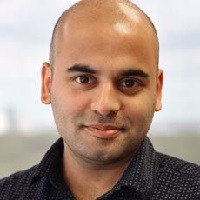 Dr Niheer Dasandi is an Associate Professor in Politics and Development in the International Development/School of Government at the University of Birmingham (UK). He has a PhD in political science from University College London (UK). His research broadly looks at the politics of sustainable development. In particular, his work focuses on the health dimensions of climate change, in which he considers issues related to political engagement, public attitudes, and policymaking. His research also looks at the relationship between sustainable development and human rights. Niheer has been part of the Lancet Countdown on Health and Climate Change since 2016, and is the co-lead of the politics and governance working group in the Lancet Countdown in Europe. He is also part of the Horizon Europe-funded project, CATALYSE, which seeks to develop and communicate evidence of the health impacts of climate change and respond to the urgent need for solution.
Personal webpage.
Ida N. S. Djenontin, Phd, Penn State University, EMS College, USA
orcid.org/0000-0003-0991-5701
Research areas: Nature-Society (Human-Environment) Geography; Environment and Development; Environmental Governance and Policy; Human Dimensions of Climate Change Adaptation and Mitigation; Social Equity; Sustainable Livelihoods; Gender; Youth; Sub-Saharan Africa
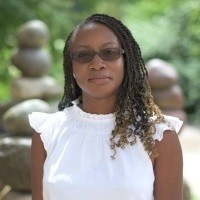 Dr Ida Djenontin is an Assistant Professor in the Department of Geography at Penn State University (USA). She is also a Visiting Fellow with the Grantham Research Institute on Climate Change and the Environment of the London School of Economics and Political Science (UK). As a human-environment geographer and interdisciplinary-trained social scientist, Ida’s research interests center on the human dimensions of interlinked environmental and climate change issues affecting forest-agricultural systems. Ida examines the governance and institutional challenges and the socio-cultural and economic dimensions of environmental degradation, resource conservation and restoration, and climate change adaptation & mitigation. She approaches such environment-development governance issues affecting land uses from a geospatial perspective and draws on political ecology, institutional analysis, critical development studies, and peasant studies. She seeks to address the sustainability goal of balancing biodiversity, mitigation, and other ecological needs with natural resource-based livelihoods and food security and development aspirations. She has over 12 years of research experience, with a wide range of regional African and international experience, through which she has gained first-hand understanding of diverse socio-political and cultural contexts, which informs her research and teaching.
Personal webpage
Yuwan Duan, Phd, CUFE, China
orcid.org/0000-0002-0557-7525
Research areas: Environmental Economics, International Trade
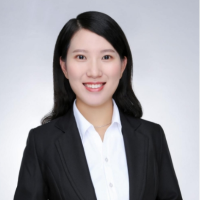 Dr. Yuwan Duan is a full professor at the Central University of Finance and Economics in China. Her primary research interests encompass Environmental Economics, International Trade, Regional Economics, and Input-Output Analysis. She specializes in using reduced-form regressions or general equilibrium models to quantify the environmental and economic consequences of various policies. Prior to her tenure at the Central University of Finance and Economics, she earned dual Ph.D. degrees from the University of Chinese Academy of Sciences in China and the University of Groningen in the Netherlands.
Personal webpage
Waqas Ejaz, Phd, University of Oxford, United Kingdom
orcid.org/0000-0002-2492-4115
Research areas: Digital media, climate change communication, environmental journalism, Global South, Public Opinion and Attitudes
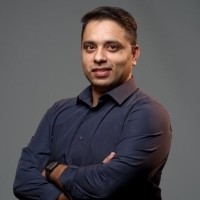 Waqas Ejaz, PhD is a research fellow at the University of Oxford, UK, whose work focuses on news media and communication. Specifically, he focuses on how people engage with the climate change and environment related news in a comparative setting. Additionally, he has published work related to political communication, effects of digital media, and misinformation, with a specific focus on the Global South countries.
Personal webpage
Viniece Jennings, Phd, Florida A&M University, USA
orcid.org/0000-0002-2872-5551
Research areas: urban green spaces; environmental health; urban sustainability
 Dr. Viniece Jennings is recognized for her research at the intersection of the environment, public health and social justice. She is affiliated with the School of the Environment at Florida A&M University (FAMU) USA and currently serves as the Deputy Director of the NOAA Center for Coastal and Marine Ecosystems at FAMU. Her expertise led to her selection as a coauthor on the U.S. First National Nature Assessment and National Climate Assessment (NCA5). She was the visionary and lead author of research on urban green spaces as they relate to ecosystem services, health disparities and social determinants of health across the United States. These articles were recognized as top research for practice in a report published by the National Recreation and Parks Association. Dr. Jennings is a JPB Environmental Health Fellow at the T.H. Chan School of Public Health at Harvard University. She previously served as an Assistant Professor of Public Health at Agnes Scott College where she was nominated for the Vulcan Teaching Award. She has over a decade of experience with the federal government where she was a research scientist with the U.S. Department of Agriculture. She earned her doctorate in environmental science with a focus in policy and risk management from Florida A&M University and a bachelor’s in natural resource/environmental science from Delaware State University.
Personal webpage
C. Kendra Gotangco Gonzales, Phd, Ateneo de Manila University, Philippines
orcid.org/0000-0002-3436-9813
Research areas: Systems thinking, sustainable cities, climate and disaster resilience, human-environment dynamics, biosphere-climate interactions
 Dr. C. Kendra Gotangco Gonzales is currently a Research Fellow at the Fenner School of Environment and Society of the Australian National University, Canberra, Australia. She also holds an appointment as Associate Professor at the Ateneo de Manila University. She served as the Program Manager for Climate Change and Disaster Risk at the Ateneo Institute of Sustainability before becoming the institute’s Director in 2021-2024. She is a scientific steering group member of the World Climate Research Programme – My Climate Risk (MCR) Lighthouse Activity and collaborates with the MCR Hub based at the Ateneo. She has also served as the Leadership Council Chair of the Sustainable Development Solutions Network (SDSN_ Philippines. Following an undergraduate degree in BS Physics, Minor in Philosophy from the Ateneo de Manila University, she completed a joint Master of Environmental Management Degree from the Ateneo and the University of San Francisco, and a PhD in Earth and Atmospheric Science from Purdue University. Kendra has broad interests in sustainability, climate and disaster resilience, earth system science specifically on the interactions of land cover and climate, and on relevant applications of systems thinking and system dynamics modeling.
Personal webpage
Ana Teresa Lima, Phd, Technical University of Denmark, Denmark
orcid.org/0000-0001-6980-6553
Research areas: Understanding the natural and built environments using (bio)geochemical, engineering, and modeling tools. Use of circular economy practices in achieving more sustainable construction materials value chains.
 Dr Ana T. Lima is a senior researcher at the Technical University of Denmark. Her work fringes the natural and built environments, using (bio)geochemical, engineering, and modeling tools to understand nutrients and contaminants' reactions in different environments: soil, water, particulate matter and waste. For the last 15+ years, she has worked across several continents and thematic areas, helping her reach a level of trans- and inter-disciplinarity necessary to bring light to the field of sustainability and circular economy. Her main areas of expertise include biogeochemistry, environmental and civil engineering, and sustainability.
Personal webpage.
Sisi Meng, Phd, Cornell University, USA
orcid.org/ 0000-0003-0677-2717
Research areas: Environmental Policy, Climate Change, Disaster Risk Reduction, GIS and Spatial Analysis.
 Dr. Sisi Meng is a Senior Lecturer at the Dyson School of Applied Economics and Management at Cornell University. Her research focuses on environmental and natural resource economics, with an emphasis on the economic dimensions of climate change adaptation and natural hazard risk mitigation. Dr. Meng has a strong interest in applying GIS techniques to spatial cost-benefit analyses of environmental issues and integrates interdisciplinary approaches across labor, health, development, socioeconomics, and management. She is committed to using rigorous theoretical and empirical analyses to inform climate-related decision-making and enhance social well-being. Her recent research includes exploring household preferences for sea level rise adaptation policies, assessing the socioeconomic impacts and perceptions of coastal vulnerability, and examining the resilience of critical infrastructure to hurricanes.
Personal webpage
Emmanuel Raju, Phd, University of Copenhagen, Denmark
orcid.org/0000-0002-2348-1850
Research areas: disaster risk reduction, disaster risk creation, climate change adaptation, disaster risk management, disaster governance
 Dr Emmanuel Raju is currently Director of the Copenhagen Centre for Disaster Research- inter-institutional research center COPE. He is an Associate Professor at the Global Health section at the Department of Public Health. Emmanuel's research interests include disaster risk reduction; climate change adaptation; disaster recovery and governance. He also holds an Extraordinary Associate Professor position at the African Centre for Disaster Studies, North-West University, South Africa.
Personal webpage
Leticia Santos de Lima, Phd, Universitat Autònoma de Barcelona, Spain
orcid.org/ 0000-0002-0268-2055
Research areas: Climate change vulnerability, land system science, water resources management, social-ecological systems, hydrology, environmental policy, environmental modelling.
 Dr. LetÃcia Santos de Lima is a Postdoctoral Researcher at the Institut de Ciència i Tecnologia Ambientals at the Universitat Autònoma de Barcelona (ICTA-UAB), Spain. As an environmental scientist with a strong interdisciplinary background, LetÃcia focuses her applied research on social-ecological systems, with an emphasis on freshwater and forest & rural areas. She addresses issues related to changes in land use, policy, and climate and their effects on rivers, watersheds, and rural communities. LetÃcia’s scholarly contributions span a broad spectrum of environmental topics, including: hydrological impacts of tropical deforestation, vulnerability of rural populations to climate change, effectiveness of watershed conservation policies, forest degradation caused by illegal logging and fire, effects of large infrastructure projects on rural communities and rivers, and the impacts of disinformation on environmental policies. Geographically, her work is centred on the tropical zone of South America, with a special emphasis on the Amazon River Basin.
Personal webpage
Gilbert Siame, Phd, University of Zambia, Zambia
orcid.org/0000-0001-6988-2097
Research areas: urban planning, co-production of research, urban governance, food systems
Dr. Gilbert Siame holds both a master’s and PhD in city and regional planning from the University of Cape Town (UCT) in South Africa. He is a lecturer and researcher in the Department of Geography and Environmental Studies at the University of Zambia where he also co-founded and coordinates the Centre for Urban Research and Planning. Dr. Siame has led and co-led several international urban research projects on cities and has published widely on co-production of the urban space in the global South, cities and climate change, urban informality, urban governance, food systems, civic movements and the urban space, among other topics. Dr. Siame was an International Fellow at the University of Cape Town under the Urban Studies Foundation (USF) International Fellowship Programme for 2021. He serves as a visiting lecturer at University of the Witwatersrand, Johannesburg and currently serves as an external examiner at UCT and several other universities in Africa.
Personal webpage
Edmond Totin, Phd, Universite Nationale d'Agriculture, West - Africa
orcid.org/0000-0003-3377-6190
Research areas: Climate governance, climate adaptation, nexus science-policy.
 Dr. Edmond Totin is a social scientist by training. He has expertise in the management of agricultural innovation, climate adaptation and governance. He is a lecturer at the Université Nationale d’Agriculture of Bénin (West - Africa). Before joining the university, Edmond served as a Scientist for policy and institutions at the International Crops Research Institute for the Semi-Arid Tropics (ICRISAT) and as adaptation expert at Climate Analytics Gmbh, with a leading role in bridging the gaps between climate science and policy. He has a long and engaging experience in climate change and food security across Africa. Edmond served as one of the Coordinating Lead Authors on the AR6-Africa Chapter of the IPCC 6th assessment report.
Personal webpage
Mengru Wang, Phd, Wageningen University & Research, Netherlands
orcid.org/ 0000-0002-2543-4871
Research areas: human-biosphere interactions, earth system modelling, nutrient cycles, water quality modelling, clean water scarcity, water-food-environment nexus.
 Dr Mengru Wang is an Assistant Professor at the Earth Systems and Global Change Group, Wageningen University & Research. Her research ambition is to contribute to simultaneously achieving water and food security for society. During her PhD and Postdoc at WUR, she was involved in research on nutrient cycles of terrestrial ecosystems (i.e. agriculture, sewage systems) as well as of river and coastal water systems from regional to global scales. She developed nutrient balance models to simulate nutrient flows in the food chain and large-scale water quality models to simulate river export of nutrients to seas. Her research also focused on applying scenario analysis approaches to better understand the interactions between food, water and society and account for these interactions in future water and food management. She is now particularly interested in sustainable food systems development to produce sufficient food with efficient water use and less pollution under climate and socio-economic changes. She is open to working across disciplines.
Personal webpage
Heran Zheng, PhD, University College London, United Kingdom
Research areas: Resource Scarcity, Sustainable Development, Environmental Footprints, Input-output Modelling, Climate change mitigation.
 Heran Zheng is an associate professor in sustainable infrastructure economics in the Bartlett school of sustainable construction at University College London. His research is both multi-disciplinary and focussed upon how built environment disciplines can help achieve sustainability in a global governance framework. Specifically, he is active in global supply chain modelling, climate change economics, and sustainable cities, particularly in emerging economies.
Personal webpage
Qiming Zheng, Phd, The Chinese University of Hong Kong, Hong Kong
orcid.org/0000-0002-7393-6585
Research areas: Remote sensing of environment, Geospatial analysis and modeling, Urban sustainability, Nature-based solutions, Land-based climate change mitigation measures
 Dr. Qiming Zheng is an Assistant Professor at the Department of Geography and Resource Management, Chinese University of Hong Kong. He received his PhD degree from Zhejiang University in 2020. Before moving to Hong Kong, he worked as a Research Fellow at the Centre for Nature-based Climate Solutions, National University of Singapore. His research interests center on understanding the human-environment-climate nexus. He aims to leverage remote sensing based geospatial techniques, environment and climate models, and other advanced interdisciplinary approaches to better understand the impacts of human activities on environmental and climate changes, and to deliver policy-relevant solutions to cutting-edge challenges in climate change mitigation and sustainable development.
Personal webpage
Terrestrial biosphere
Kate Buckeridge, Phd, LIST, Luxembourg
orcid.org/0000-0002-3267-4216
Research areas: soil microbial ecology, nutrient cycling, terrestrial ecosystems, global change, stable isotopes, agricultural management, greenhouse gas emissions, soil carbon sequestration, N2 fixation
 Dr Kate Buckeridge is a Senior Research Associate at Luxembourg Institute of Science and Technology (LIST), Luxembourg. Before joining LIST in 2021, she obtained a PhD in ecosystem ecology from Queen’s University, Canada, where she researched how increased snow depth alters Arctic tundra nitrogen cycling. She worked as a Postdoctoral Researcher in the US and UK, investigating the impact of Arctic permafrost thaw on soil microbes and biogeochemistry, nitrogen and carbon cycling along a Boreal climate gradient, and how land-use intensity influences microbial physiology in agricultural grasslands. She uses stables isotopes as tracers of plant litter and microbial necromass, combined with microbial genomics, to explore the relationship between microbial community structure and ecosystem function. Her current research investigates how climate and agricultural management interact to influence soil microbial physiology, and how this impacts soil carbon sequestration and greenhouse gas emissions.
Personal webpage.
Erika Buscardo, Phd, University of Brasilia, Brazil
orcid.org/0000-0003-4029-8465
Research areas: plant-soil interactions, microbial community ecology, nutrient cycling, terrestrial ecosystems, global change
 Dr Erika Buscardo is a visiting researcher in the Department of Forest Sciences, University of BrasÃlia, Brazil and member of the Centre of Functional Ecology, University of Coimbra, Portugal. She holds a degree in biology and a Ph.D. in ecology. The main area of Erika’s research is soil microbe – plant interactions, with particular interest in the structure and functioning of microbial communities and their implications for ecosystem biogeochemistry. She is interested in separating underlying natural spatio-temporal dynamics from ecosystem responses to natural disturbances (e.g., fire, zoogeochemistry) and global change drivers (climate and land use change, atmospheric nitrogen deposition). She has worked in Mediterranean, temperate and tropical ecosystems. Erika is involved in long-term ecological research projects in South America.
Personal webpage
Huai Chen, Phd, Chengdu Institute of Biology, CAS, China
orcid.org/0000-0001-7650-289X
Research areas: wetland biogeochemistry, molecular ecology, soil microbes, carbon and nitrogen biogeochemistry, helophyte, sphagnum, peatlands, global change
 Dr Huai Chen is a professor of ecology and Deputy Director General of Chengdu Institute of Biology, Chinese Academy of Sciences, China. He obtained his Ph.D. at the University of Chinese Academy of Sciences in 2008. His research is focused on the terrestrial biogeochemical processes that affect climate, particularly the cycling of carbon and nitrogen. His research team has projects to study carbon and nitrogen cycling in terrestrial ecosystems and their molecular mechanism, especially for peatlands.
His research achievements won him the APEC “Science Prize for Innovation, Research and Education†in 2020.
Personal webpage.
Leiyi Chen, Phd, Institute of Botany, CAS, China
orcid.org/0000-0002-3241-4676
Research areas: Effects of global change on soil carbon dynamics, soil carbon storage and carbon-climate feedback, the stabilization mechanisms of soil organic carbon, roles of microbial communities in stabilizing and destabilizing soil carbon
 Dr Leiyi Chen is a professor at the Institute of Botany, Chinese Academy of Sciences (IBCAS), China. Before joining IBCAS in 2012, she received her PhD from Sun Yat-sen University with a major in ecology. Her research focus is soil carbon dynamics in terrestrial ecosystem. The overall goal of her research is to provide the mechanistic understanding required for reliable prediction of global change impacts on soil carbon dynamics, and their likely feedbacks to the climate system. She uses diverse approaches, including experimentation, observation, data synthesis, data-model fusion, to reveal how plant-soil-microbial interactions govern soil carbon stabilization and destabilization. She was promoted as a member of Youth Innovation Promotion Association of the Chinese Academy of Sciences in 2017, and founded by National Natural Science Foundation of China as an ‘excellent Young Scientist’ in 2019.
Personal webpage
Rossella Guerrieri, Phd, Alma Mater - University of Bologna, Italy
orcid.org/0000-0001-5247-0432
Research areas: atmosphere-plant-soil interactions, nutrient cycling, forest ecology, tree physiology, biogeochemistry, dendroecology, stable carbon, oxygen and nitrogen isotopes, phyllosphere microbiology, global change, forest monitoring.
 Dr Rossella (Maria Rosa) Guerrieri is an associate professor at the Alma Mater-University of Bologna in Italy, where she teaches sustainable forest management. After earning her PhD at the University of Basilicata (in Italy) in 2007, she had several post-doctoral experiences in the UK (University of Edinburgh), USA (University of New Hampshire) and Spain (CREAF), before returning back to Italy in 2019. Rossella is a plant physiologist and forest ecologist with broad research interests unified by the goal of better understanding how forest functioning varies in relation to global change drivers, which can only be achieved by adopting an interdisciplinary collaborative approach. One of her expertise is the application of stable isotopes to elucidate physiological and biogeochemical processes in forest ecosystems. Her research was supported by competitive grants, such as the Newton International Fellowship (funded by the Royal Society) and the Marie Skłodowska–Curie Fellowship (funded by the European Commission). Rossella is member of the Italian Society of Silviculture and Forest Ecology, the Tree Ring Society, the British Ecological Society and the European Geoscience Union.
Personal webpage.
Lifen Jiang, Phd, Cornell University, USA
orcid.org/0000-0002-1546-8189
Research areas: carbon cycle in terrestrial ecosystems; global change ecology; ecosystem ecology; plant physiological ecology.
 Dr. Lifen Jiang is a senior research associate at the Cornell University, U.S. She received her Ph.D. in Botany in 2003 from the Northeast Forestry University, China. Before joining the Cornell University, she worked at the Northern Arizona University (U.S.), the Fudan University (China), and the Northeast Forestry University (China). Her research is primarily focused on biogeochemistry of the terrestrial ecosystems. Her research is particularly aimed to improve our predictive understanding of land carbon cycling in response to climate change, using a variety of methods, including data synthesis, manipulative experiments, and process-based models. For example, she studied the impact of warming on carbon cycle of a grassland ecosystem with a long-term experiment in the Great Plains, U.S. and analyzed the changes in carbon cycle processes under climate change of two forest ecosystems in the U.S. using transit traceability analysis.
Personal webpage.
Yi Jiao, Phd, University of Copenhagen, Denmark
orcid.org/0000-0001-5027-3144
Research areas: Atmospheric Biogeochemistry, Trace gas, Volatile organic carbons, Land-air exchange, Soil carbon, Biogeochemcial cycles, High-latitude environment
 Yi Jiao is currently an Assistant Professor at the Center for Volatile Interactions (VOLT), University of Copenhagen. He earned his PhD in Geography from the University of California, Berkeley, and his bachelor’s degree from the School of Earth and Space Sciences, University of Science and Technology of China. Prior to his current position, he was a Marie Skłodowska-Curie Action (MSCA) Postdoctoral Fellow at the University of Copenhagen. His research focuses on the sources, sinks, fates, and implications of environmentally significant trace gases, including volatile organic compounds, reactive nitrogen, etc. He investigates the influence of climate change and biotic and abiotic ecosystem features on the atmosphere-ecosystem exchange of these gases, as well as how these effects vary when scaled from plots to landscapes and the globe.
Personal webpage.
Dushan Kumarathunge, Phd, University of Ruhuna, Sri Lanka
orcid.org/0000-0003-1309-4731
Research areas: Temperature response of photosynthesis, plant growth and reproduction, scaling leaf level physiological responses to whole canopy, mechanisms of drought tolerance of palm species
 Dr. Dushan Kumarathunge is a Senior Lecturer in the Department of Agricultural Biology, Faculty of Agriculture, University of Ruhuna Sri Lanka. He obtained his Bachelor's degree in Agriculture (2009) and his Masters in Bio-Statistics (2013) from University of Peradeniya, Sri Lanka and PhD in plant ecophysiology and ecosystem modelling (2019) from Hawkesbury Institute for the Environment, Western Sydney University, Australia. Prior to his current position, he worked as a plant physiologist at the Coconut Research Institute of Sri Lanka. His research mainly focus on understanding how plants respond to rising temperature and drought. His aim is to identify the mechanisms of how plant physiological processes such as photosynthesis, growth and reproduction affected by climate warming and water limitation and develop mathematical models to represent those processes in crop and ecosystem models.
Personal webpage
Tobias Landmann, Phd, International Centre of Insect Physiology and Ecology, Kenya
orcid.org/0000-0001-6512-5806
Remote sensing, geospatial modelling, biodiversity, ecosystem dynamics, vector ecology, global change, Africa
 Tobias Landmann is a geospatial and specifically satellite remote sensing scientist based at icipe in Nairobi, Kenya. Using geospatial science, he aims to better understand global change effects and socio-ecological systems. He has an interest in using geospatial science for more concerted interventions to improve the livelihoods of communities in Africa. His specific focus includes (i) understanding African biodiversity patterns and better ecosystem services accounting, i.e. pollination and carbon, (ii) monitoring the occurrence and spread of vector-borne diseases in Africa (iii) assessing land degradation patterns and factors, and (iv) cropping systems patterns monitoring connected to drought risk. Tobias holds a PhD in Physical Geography from the University of Goettingen (Germany). Prior to joining icipe, he worked as a Project Manager and Senior Scientist in remote sensing at Remote Sensing Solutions GmbH in Munich (Germany). He has previously worked at icipe (2012-2018), also as an Integrated Expert in Geo-Information. In addition, Tobias has worked at the University of Wuerzburg and the German Aerospace Centre (DLR) as a senior scientist, and at UN FAO. He has recently won grants from GIZ, EU, European Space Agency, several German ministries, USAID and others
Personal webpage
Guopeng Liang, Phd, Yale University, USA
orcid.org/0000-0001-5514-785X
Research areas: Soil Carbon Cycling, Plant-Soil-Microbe Interaction, Global Change Ecology.
 Guopeng Liang is a Brown Postdoc Fellow at Yale University. His research interests focus on the effects of agricultural management practices (tillage and fertilization) and environmental change (warming and drought) on soil carbon cycling and plant productivity by applying multiple approaches (e.g. meta-analysis, field study, incubation experiment, next-generation DNA sequencing, and modeling). His research goal is to identify sustainable natural-based solutions to soil health, food security, and climate mitigation.
Personal webpage
Hongliang Ma, Phd, Københavns Universitet, Denmark
Research areas: Remote sensing; Soil Moisture; Vegetation water/temperature/biomass; processed ecosystem models; Terrestrial Ecosystems.
 Dr Hongliang Ma is a postdoctoral research fellow at the Center for Volatile Interactions (VOLT), University of Copenhagen (UCPH), Denmark. Before joining UCPH, Dr. Ma received his PhD degree in remote sensing from Wuhan University and then worked as one postdoctoral fellow in National Research Institute for Agriculture, Food and Environment (INRAE), France for two years. As an expert of quantitative remote sensing for ecology, he gained extensive experience in vegetation and soil modeling using both microwave remote sensing (e.g., L-MEB, soil moisture, and vegetation optical depth) and optical remote sensing (e.g., PROSAIL, LAI/FAPAR, vegetation water content, temperature and biomass). From earth observations to earth simulations regarding terrestrial ecosystem, he is integrating ecosystem processed model (e.g., LPJ-GUESS) with satellite remote sensing to study global and regional terrestrial water-carbon coupling.
Personal webpage
Gabriel Nuto Nóbrega, Phd, Universidade Federal do Ceará, Brazil
Research areas: Soil biogeochemistry, pedogenesis, carbon and organic matter dynamics, soil contamination, coastal wetlands, and low-carbon agriculture
 Dr. Gabriel Nuto Nóbrega obtained his Bachelor's degree in Agronomic Engineering from the Federal University of Ceará (UFC) in 2010. He holds a Master's degree in Agronomy/Soils and Plant Nutrition from UFC and a Ph.D. in Soils and Plant Nutrition from the University of São Paulo (ESALQ/USP). He is currently a Professor in the Department of Soil Science at UFC and is also a faculty member in the Graduate Program in Geosciences (Geochemistry) at the Federal Fluminense University (UFF), supervising undergraduate, graduate (MSc and DSc) students and postdocs researchers.
Personal webpage
Paula Ribeiro Prist, Phd, EcoHealth Alliance, USA
orcid.org/0000-0003-2809-0434
Research areas: landscape ecology, biodiversity conservation, landscape epidemiology, human health, conservation
 Dr. Paula Ribeiro Prist is a senior scientist at EcoHealth Alliance, United States. A biologist by training, Dr. Prist holds a master's, doctorate and post-doctorate in landscape ecology from the University of São Paulo, with a sandwich period at Columbia University, United States, and the University of Queensland, Australia. Dr. Prist’s line of research focuses on trying to understand how habitat loss and fragmentation, and the configuration of remaining native vegetation areas affect biodiversity and the provision of ecosystem services, including regulating services aimed at maintaining human health. Some of the topics of interest include how land use changes and the different dynamics of the landscape affect human health. How climate change is affected by land use change and this synergistic effect affects biodiversity and human health. Her long-term plan is to contribute to the development of high-quality research to understand how conservation can contribute to the maintenance of human health and how the management of tropical landscapes can be done to create landscapes with low risk of transmission of zoonotic diseases and high maintenance of human health.
Personal webpage
Malak M Tfaily, Phd, University of Arizona, USA
Research areas: Soil biogeochemistry, multi-omics, metabolomics, global change, Soil health
 Dr. Malak Tfaily is a Professor in the Department of Environmental Science at the University of Arizona and Principal Investigator of the Tfaily Lab for Ecosystem Genomics. She holds a B.S. in Chemistry from the Lebanese University in Beirut and a Ph.D. in Analytical Chemistry from Florida State University. Following her doctoral work, she completed postdoctoral fellowships in Earth, Ocean, and Atmospheric Science at Florida State University and at the Environmental Molecular Sciences Laboratory (EMSL) at Pacific Northwest National Laboratory, where she later served as a Research Scientist. Dr. Tfaily's research program integrates advanced mass spectrometry, metabolomics, and multi-omics approaches to investigate the molecular underpinnings of ecosystem processes in the face of global environmental change. Her work spans scales from molecules to ecosystems, with applications in climate feedback, ecosystem resilience, and human health.
Personal webpage
Zhi-You Yuan, Phd, Northwest A&F University, China
Research areas: ecosystem ecology, soil science, nutrient cycling, field experimentation, observational ecology, data synthesis, interdisciplinary environmental research, ecological modelling, climate change impacts
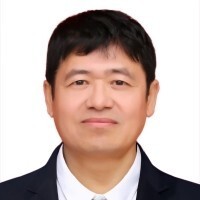 Dr. Yuan is a researcher at the Institute of Soil and Water Conservation, Northwest A&F University, China. His work focuses on the effects of global change on terrestrial ecosystem structure and function, with particular emphasis on biogeochemical cycles and plant, soil interactions. He integrates field experiments, observational studies, and data synthesis to investigate carbon, nitrogen, and phosphorus dynamics across diverse biomes, including drylands, forests, and wetlands. Dr. Yuan has published widely in top-tier journals, including Nature Climate Change, i.e Life, and Nature Communications and has led multiple national research projects, including grants from the National Natural Science Foundation of China (NSFC) and China's National Key R&D Program.
Personal webpage
Guiyao Zhou, Phd, Spanish National Research Council (CSIC), Spain
orcid.org/0000-0002-1385-3913
Research areas: global change, ecosystem service, forest restoration, carbon sequestration, biodiversity-ecosystem functioning, soil biogeochemistry.
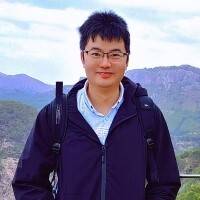 Dr. Guiyao Zhou is a researcher at the Instituto de Recursos Naturales y AgrobiologÃa de Sevilla (IRNAS), Spanish National Research Council (CSIC). He earned his PhD in ecology from East China Normal University (China) in 2020 and then joined the German Centre for Integrative Biodiversity Research (iDiv) as a Humboldt Research Fellow. As a forest ecologist with a strong multidisciplinary background in forestry, microbial ecology, biodiversity conservation, and global environmental change, Guiyao has over a decade of experience in forest management, climate change, and biodiversity-ecosystem function research. His work integrates a diverse range of analytical, modeling, and experimental techniques. Currently, his research focuses on advancing our understanding of how global change impacts multiple ecosystem services and providing insights to better enhance ecosystem sustainability in a changing world.
Personal webpage.
