Thought provoking and philosophical animes
Anime
Hello, and please note that the animes mentioned on this list are all philosophically driven. They may cause uneasiness while watching them because they make us introspect on our ideas of how life is/should be accompanied by complex abstract questions that often don't have answers.
On a positive note, these animes will introduce you to new and unique perspectives as you'll be shown the philosophies of others and learn how they perceive the world. Due to this, you may inherit some of their thought processes and learn to empathize with their reasoning, which further develops your own theories and understanding of the world, human nature and the purpose of our existence, assuming there is one.
On a negative note, many of these animes will take philosophical concepts and blow them out of proportion to force the message or make it obvious.
Consequently, many of the animes on this list will also be uncomfortable to watch, and I will add warnings in their summaries. So, if you're a sensitive individual, please prepare yourself mentally before watching any of these animes, as some thick skin may be required at times.
Viewer discretion is advised.
Lastly, a majority of the animes on this list fall into these genres:
Avant-garde
"Dementia"
Psychological
Happy watching :)
On a positive note, these animes will introduce you to new and unique perspectives as you'll be shown the philosophies of others and learn how they perceive the world. Due to this, you may inherit some of their thought processes and learn to empathize with their reasoning, which further develops your own theories and understanding of the world, human nature and the purpose of our existence, assuming there is one.
On a negative note, many of these animes will take philosophical concepts and blow them out of proportion to force the message or make it obvious.
Consequently, many of the animes on this list will also be uncomfortable to watch, and I will add warnings in their summaries. So, if you're a sensitive individual, please prepare yourself mentally before watching any of these animes, as some thick skin may be required at times.
Viewer discretion is advised.
Lastly, a majority of the animes on this list fall into these genres:
Avant-garde
"Dementia"
Psychological
Happy watching :)

TV, 2000,
25 eps
Me:-
Author:7
Argento Soma is a diamond in the rough; it has many flaws in its pacing, design and music.
However, it excels in philosophical thought and has a grounded story focused on human flaws and mistakes.
The concepts of revenge, hatred, trauma and projection are deeply reflected and explored in Argento Soma, followed by expressions of love for wisdom and idealistic love in general. These ideas challenge the viewer constantly to look forward and keep an open heart to obtaining more information instead of regressing backwards and relying on what you're comfortable knowing.
Words are honestly hard to portray the Argento Soma experience as its unique handling of human conflict elements and their justifications for their actions/ideas.
If I had to attribute a philosophical school to this anime, it would be existentialism, followed by some of Carl Jung's theories about the Anima/Animus and the concept of consciousness regarding the persona, and the shadow, with a dash of the Collective Unconcious.
Despite its flaws, it's' a worthwhile watch.
However, it excels in philosophical thought and has a grounded story focused on human flaws and mistakes.
The concepts of revenge, hatred, trauma and projection are deeply reflected and explored in Argento Soma, followed by expressions of love for wisdom and idealistic love in general. These ideas challenge the viewer constantly to look forward and keep an open heart to obtaining more information instead of regressing backwards and relying on what you're comfortable knowing.
Words are honestly hard to portray the Argento Soma experience as its unique handling of human conflict elements and their justifications for their actions/ideas.
If I had to attribute a philosophical school to this anime, it would be existentialism, followed by some of Carl Jung's theories about the Anima/Animus and the concept of consciousness regarding the persona, and the shadow, with a dash of the Collective Unconcious.
Despite its flaws, it's' a worthwhile watch.

ONA, 2003,
6 eps
Me:-
Author:6
Even if I tried, I couldn't even explain what this anime is about.
It's chaos incardinate; I suppose Absurdism and Existentialism might be the only compatible philosophies here.
However, this is a good watch as it will challenge your response to random stimuli appearing out of sync and off rhythm. It is aware that it is challenging your perspective and breaks the 4th wall at times, too.
It's chaos incardinate; I suppose Absurdism and Existentialism might be the only compatible philosophies here.
However, this is a good watch as it will challenge your response to random stimuli appearing out of sync and off rhythm. It is aware that it is challenging your perspective and breaks the 4th wall at times, too.

Movie, 2017,
1 ep
Me:-
Author:6
This feels like a sequel that takes place many years after the original series mentioned above.
Most importantly, it clears up a lot of the chaos in the original series and translates very well into an Existentialist story.
The movie itself is about a group of survivors trying not to starve to death while attempting not to get captured and butchered by a security force known as the "Safeguards," who, for some reason, are designated to eradicate human life in a city that is expanding in all directions forever by giant robots called "Builders."
It's quite the investigation into the primitive human psyche
Most importantly, it clears up a lot of the chaos in the original series and translates very well into an Existentialist story.
The movie itself is about a group of survivors trying not to starve to death while attempting not to get captured and butchered by a security force known as the "Safeguards," who, for some reason, are designated to eradicate human life in a city that is expanding in all directions forever by giant robots called "Builders."
It's quite the investigation into the primitive human psyche

TV, 2000,
12 eps
Me:-
Author:8
Boogiepop Phantom is the definition of the anime genre "Dementia."
It's a non-linear story that jumps from the past to the future and back to the present.
The soundtrack, art, and scenes sound and appear terrible on purpose because the anime is trying to invoke a sense of dread and challenge the viewers' dedication. It feels like jumping into a dark pit with no end, where we are only left with our thoughts; it's quite scary.
The main takeaway from a philosophical standpoint is reflecting on what it means to be.
There are a lot of different messages in this anime and questions, which will not be answered, forcing the viewer to introspect and think of solutions on their own. In simple terms, It's fundamentally an existentialist-driven anime and will possibly give you anxiety (•‿•).
If you're interested in having your perspective challenged, this anime is a perfect fit.
Just a small warning before you watch, this anime will make you feel uncomfortable. So please consider that before watching.
It's a non-linear story that jumps from the past to the future and back to the present.
The soundtrack, art, and scenes sound and appear terrible on purpose because the anime is trying to invoke a sense of dread and challenge the viewers' dedication. It feels like jumping into a dark pit with no end, where we are only left with our thoughts; it's quite scary.
The main takeaway from a philosophical standpoint is reflecting on what it means to be.
There are a lot of different messages in this anime and questions, which will not be answered, forcing the viewer to introspect and think of solutions on their own. In simple terms, It's fundamentally an existentialist-driven anime and will possibly give you anxiety (•‿•).
If you're interested in having your perspective challenged, this anime is a perfect fit.
Just a small warning before you watch, this anime will make you feel uncomfortable. So please consider that before watching.

TV, 2002,
26 eps
Me:-
Author:8
Chobits is one of those philosophical animes that's easy to miss due to its heavy emphasis on goofy comedy and trying not to be too oppressive in how it displays its ideas to be more appealing to a larger audience.
That said, Chobits asks two fundamental questions:
1: If humans can genuinely fall in love with Persocoms (Robots).
2: What effects and consequences will be on society if they can? What will happen to human-to-human relations?
For the first question, the anime investigates this by going through the main cast's personal experiences and philosophies, which vary from negative experiences, where they've been replaced by Persocoms and positive experiences, where they learned that loving a human or machine isn't that different as the attachment can develop in similar ways. Because of this, Chobits also investigates the definition of love and heavily focuses on the passive actions characters take that display their true feelings over the words they say, especially towards the Persocoms.
-
For the second question, the anime displays the effects of such a society where Persocoms replace normal human relationships and how it psychologically affects the people being replaced by those Persocoms.
The short answer is it does affect them negatively, especially women who begin to compete against the Persocoms, which the male population is engrossed by.
This all leads to several ethical dilemmas and conflicts throughout the anime and might be the most fascinating factor, as our society is currently heading down a similar path.
As time passes, we're experimenting increasingly with AI and AI dating. So it won't be long before we have our own Persocoms one day.
Before that happens, I'd suggest looking into Chobits to see if you can challenge your perspective on human "Robot/AI" relationships.
That said, Chobits asks two fundamental questions:
1: If humans can genuinely fall in love with Persocoms (Robots).
2: What effects and consequences will be on society if they can? What will happen to human-to-human relations?
For the first question, the anime investigates this by going through the main cast's personal experiences and philosophies, which vary from negative experiences, where they've been replaced by Persocoms and positive experiences, where they learned that loving a human or machine isn't that different as the attachment can develop in similar ways. Because of this, Chobits also investigates the definition of love and heavily focuses on the passive actions characters take that display their true feelings over the words they say, especially towards the Persocoms.
-
For the second question, the anime displays the effects of such a society where Persocoms replace normal human relationships and how it psychologically affects the people being replaced by those Persocoms.
The short answer is it does affect them negatively, especially women who begin to compete against the Persocoms, which the male population is engrossed by.
This all leads to several ethical dilemmas and conflicts throughout the anime and might be the most fascinating factor, as our society is currently heading down a similar path.
As time passes, we're experimenting increasingly with AI and AI dating. So it won't be long before we have our own Persocoms one day.
Before that happens, I'd suggest looking into Chobits to see if you can challenge your perspective on human "Robot/AI" relationships.
TV, 2006,
25 eps
Me:-
Author:10
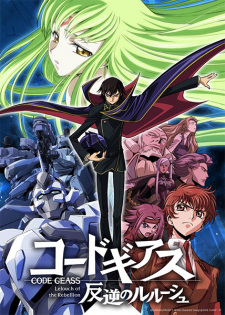
Code Geass is a complex political and philosophical anime that primarily revolves around human nature, power dynamics, and freedom of choice.
It's an anime filled with hypocrisy and plays heavily on the Jungian concept of the Persona and Collective Unconscious.
Almost every character in this anime is defined by personal philosophy. At the same time, every character is challenged by external factors that force them to evolve their unique philosophies or abandon them together, turning them into hypocrites. The human nature focus of Code Geass stands proud for everyone to observe, including all the negative aspects of humanity, such as discrimination/racism, abusive relationships, and other dark and taboo subjects.
Overall, Code Geass asks its watchers what is better:
A world where you are free to do as you wish and, as a result, the consequences are infinite or a world where freedom is removed, but peace is assured.
And on that topic, Would you sacrifice what it means to be human for peace?
Or would you allow evil to exist if it means remaining human?
These questions are driving forces in Code Geass, and the answer is left to the viewer.
It's a fantastic watch and very rewarding!
It's highly suggested for anyone interested in philosophy, political ethics and psychoanalytic theory.
It's an anime filled with hypocrisy and plays heavily on the Jungian concept of the Persona and Collective Unconscious.
Almost every character in this anime is defined by personal philosophy. At the same time, every character is challenged by external factors that force them to evolve their unique philosophies or abandon them together, turning them into hypocrites. The human nature focus of Code Geass stands proud for everyone to observe, including all the negative aspects of humanity, such as discrimination/racism, abusive relationships, and other dark and taboo subjects.
Overall, Code Geass asks its watchers what is better:
A world where you are free to do as you wish and, as a result, the consequences are infinite or a world where freedom is removed, but peace is assured.
And on that topic, Would you sacrifice what it means to be human for peace?
Or would you allow evil to exist if it means remaining human?
These questions are driving forces in Code Geass, and the answer is left to the viewer.
It's a fantastic watch and very rewarding!
It's highly suggested for anyone interested in philosophy, political ethics and psychoanalytic theory.
TV, 2008,
25 eps
Me:-
Author:10
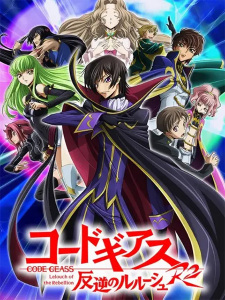
Similar to the first season of Code Geass with a more significant focus on psychoanalytic theory and its philosophical implications.
It's a more extreme version of the first season and will challenge your perspective in various ways.
It's a more extreme version of the first season and will challenge your perspective in various ways.

TV, 2013,
13 eps
Me:-
Author:8
The whole series of Danganronpa revolves around two core concepts—Despair and Hope—and pushes them to extremes on both spectrums.
In other words, the philosophies of Despair and Hope translate to Nihilism vs Existentialism.
This setup feels quite similar to that of the anime Monster and tests the viewers on their own scales of Hope and Despair by having them project their ideas/ideals onto the respective characters they are observing.
It's a great case study for those extremes; at least, it has changed my view on Hope.
My only warning is that the despairing parts of this anime series can get very brutal and heavy on dark themes; viewer discretion is advised.
In other words, the philosophies of Despair and Hope translate to Nihilism vs Existentialism.
This setup feels quite similar to that of the anime Monster and tests the viewers on their own scales of Hope and Despair by having them project their ideas/ideals onto the respective characters they are observing.
It's a great case study for those extremes; at least, it has changed my view on Hope.
My only warning is that the despairing parts of this anime series can get very brutal and heavy on dark themes; viewer discretion is advised.

TV, 2011,
12 eps
Me:-
Author:7
The Mystic Archives of Dantalian may not be the most complex philosophically driven anime; however, its premise heavily focuses on the philosophy of what it means to be human and how'd we react if we had sacred books that gave us forbidden knowledge we shouldn't have.
It asks the viewer how you'd use such a text.
Would you use it to further your ambitions or attempt to help others around you?
Would you even use these texts, or would you give them away > these questions are asked, and the leading duo, Dalian & Hugh Anthony Disward, judges whether the texts should be taken away or left with whoever uses them.
Their judgements are often mixed, and the reality of the situation is just as convoluted by human emotion, trauma and desire.
The Mystic Archives of Dantalian also primarily focuses on Carl Jung's philosophical interpretations of how fairy tales, myths and legends tie into the human psyche.
This is best seen mirrored in the combat system; this anime revolves around reciting real-world ancient text and bringing myth and legend to life.
Many of the scenes of The Mystic Archives of Dantalian are overwhelmingly beautiful; the anime itself can be pretty Avant-garde at times too.
Overall, this is the type of anime you'd watch to gain an appreciation for humanity's love for mythology and legends. If you love history and art, this anime is a much watch! The only downside is that the anime was rushed and ended too soon.
Lastly, this anime has many dark themes that may disturb some viewers, so viewer discretion is advised. Please ensure you are mentally prepared before committing to The Mystic Archives of Dantalian.
It asks the viewer how you'd use such a text.
Would you use it to further your ambitions or attempt to help others around you?
Would you even use these texts, or would you give them away > these questions are asked, and the leading duo, Dalian & Hugh Anthony Disward, judges whether the texts should be taken away or left with whoever uses them.
Their judgements are often mixed, and the reality of the situation is just as convoluted by human emotion, trauma and desire.
The Mystic Archives of Dantalian also primarily focuses on Carl Jung's philosophical interpretations of how fairy tales, myths and legends tie into the human psyche.
This is best seen mirrored in the combat system; this anime revolves around reciting real-world ancient text and bringing myth and legend to life.
Many of the scenes of The Mystic Archives of Dantalian are overwhelmingly beautiful; the anime itself can be pretty Avant-garde at times too.
Overall, this is the type of anime you'd watch to gain an appreciation for humanity's love for mythology and legends. If you love history and art, this anime is a much watch! The only downside is that the anime was rushed and ended too soon.
Lastly, this anime has many dark themes that may disturb some viewers, so viewer discretion is advised. Please ensure you are mentally prepared before committing to The Mystic Archives of Dantalian.
TV, 2006,
37 eps
Me:-
Author:10
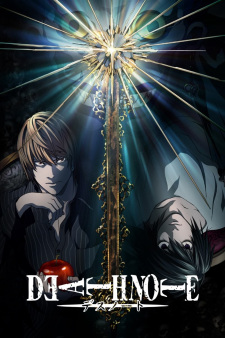
While Death Note may not be viewed as a philosophical anime, that couldn't be further from the truth as Death Note is defined by Utilitarian vs Kantian ideals between Light Yagami, the Utilitarian vs L the Kantian.
Death Note shows the extremes of both ideals and portrays how they can be twisted by human perception of what is "Justice."
Death Note poses several questions, such as, "What is Justice?" What would you do if you had a Death Note?
When is it justified to take the life of another?
If not, then does not killing them indirectly mean you are allowing them to harm others?
These are loaded questions but still worthy of consideration.
Death Note isn't just a philosophical anime; it's also quite religious and compacted with Buddhist and Christian symbolism. Knowing or practicing these religions is a huge plus when watching Death Note, and it will allow you to experience it through a unique lens.
Overall, Death Note is a fantastic anime that will challenge your perspective on the idea of Justice. It's a show best watched with friends, to which you and your buddy can debate the usage of the Death Note, whether it's justified and if you'd use it if you were in the main character's shoes.
Death Note shows the extremes of both ideals and portrays how they can be twisted by human perception of what is "Justice."
Death Note poses several questions, such as, "What is Justice?" What would you do if you had a Death Note?
When is it justified to take the life of another?
If not, then does not killing them indirectly mean you are allowing them to harm others?
These are loaded questions but still worthy of consideration.
Death Note isn't just a philosophical anime; it's also quite religious and compacted with Buddhist and Christian symbolism. Knowing or practicing these religions is a huge plus when watching Death Note, and it will allow you to experience it through a unique lens.
Overall, Death Note is a fantastic anime that will challenge your perspective on the idea of Justice. It's a show best watched with friends, to which you and your buddy can debate the usage of the Death Note, whether it's justified and if you'd use it if you were in the main character's shoes.

TV, 2015,
12 eps
Me:-
Author:9
Death Parade is an anime about judgment and how we conclude our judgments based on subjective and objective information through observation.
It's an ethics philosophy course designed as an anime focused on Buddist understandings of "right and wrong" and casting judgment based on the conclusion of that question.
As expected, many questions are posed, such as whether it is right to judge someone if you have not been in their shoes and how you test an individual to determine if their choices are made due to fear or malice.
This anime gets very creative with its conclusions and isn't afraid of making mistakes either; it's a great watch and highly suggested as an introduction to philosophically based anime.
It's an ethics philosophy course designed as an anime focused on Buddist understandings of "right and wrong" and casting judgment based on the conclusion of that question.
As expected, many questions are posed, such as whether it is right to judge someone if you have not been in their shoes and how you test an individual to determine if their choices are made due to fear or malice.
This anime gets very creative with its conclusions and isn't afraid of making mistakes either; it's a great watch and highly suggested as an introduction to philosophically based anime.
TV, 2006,
23 eps
Me:-
Author:8
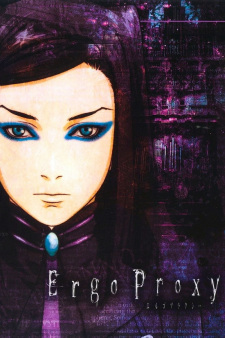
Ergo Proxy is a western philosophy love letter and revolves heavily around the perpetual search for existential truth. It's an existentialist anime to the core. It also features a look into Gnosticism.
Ergo Proxy is defined by René Descartes's quote, "Cogito, ergo sum," translated into "I think, therefore I am."
It also pits Jean-Paul Sartre's position of "Existence precedes essence" against the classical thought of "Essence proceeding existence."
Ergo Proxy also focuses on Sigmund Freud's idea of the ID, Ego and Superego and Carl Jung's idea of the Anima, Animus, Shadow, Personal Unconcious and Collective Unconcious.
As a result, it's a psychoanalysis and psychoanalytic wet dream of an anime!
Ergo Proxy might be one of the most intentionally philosophically driven anime of all time and is suggested to individuals with a solid understanding of philosophy.
It's not beginner friendly and is a confusing anime if watched without context, and even with context, it may have to be watched serval times to grasp what is trying to be conveyed.
Some viewers note that the anime is pretentious due to its absurd amount of symbolic and intellectually saturated information; I'm afraid I disagree with that statement as it was designed for individuals who are interested and knowledgeable in those subjects rather than exaggerating those elements for the sake of being "impressive." Elitist would be a better categorization of Ergo Proxy ;)
Rant aside, the payout for watching Ergo Proxy is enormous and well worth it.
This type of anime sparks debates and encourages its viewers to introspect and question their beliefs, values and view on the world. "Cogito ergo sum. Amicus meus."
Ergo Proxy is defined by René Descartes's quote, "Cogito, ergo sum," translated into "I think, therefore I am."
It also pits Jean-Paul Sartre's position of "Existence precedes essence" against the classical thought of "Essence proceeding existence."
Ergo Proxy also focuses on Sigmund Freud's idea of the ID, Ego and Superego and Carl Jung's idea of the Anima, Animus, Shadow, Personal Unconcious and Collective Unconcious.
As a result, it's a psychoanalysis and psychoanalytic wet dream of an anime!
Ergo Proxy might be one of the most intentionally philosophically driven anime of all time and is suggested to individuals with a solid understanding of philosophy.
It's not beginner friendly and is a confusing anime if watched without context, and even with context, it may have to be watched serval times to grasp what is trying to be conveyed.
Some viewers note that the anime is pretentious due to its absurd amount of symbolic and intellectually saturated information; I'm afraid I disagree with that statement as it was designed for individuals who are interested and knowledgeable in those subjects rather than exaggerating those elements for the sake of being "impressive." Elitist would be a better categorization of Ergo Proxy ;)
Rant aside, the payout for watching Ergo Proxy is enormous and well worth it.
This type of anime sparks debates and encourages its viewers to introspect and question their beliefs, values and view on the world. "Cogito ergo sum. Amicus meus."

TV, 2002,
13 eps
Me:-
Author:8
Haibane Renmei is a profoundly symbolic anime that focuses on the meaning of life, suffering, and reaching atonement in a world with few to no answers.
It's an amalgamation of character case studies focused on their daily trials and tribulations, mixed with heavy injections of nihilistic depression and existential crises regarding death/rebirth. There are also heavy religious undertones throughout the whole series, mainly focusing on Christian symbology.
In the philosophy department, Arthur Schopenhauer's Hedgehog's Dilemma plays a large role in this anime, as many of the conflicts within the show stem from being unable to connect to other Haibane and Humans alike, which causes various issues that drive the plot for the main cast.
You could also argue that Carl Jung's and Sigmund Freud's dream theories/concepts would be a good match for such a series, as dreams and dismantling their meanings play a large portion of the plot.
Overall, Haibane Renmei is a worthwhile philosophical adventure that focuses on the characters and how they interact with the world instead of the world itself; in other words, it's an "introverted" show rather than an "extroverted" one. It's also important to note that this show has no real villains, nor does it have some world-ending threat; that being said, action will be sparse, and most of the show will consist of talking.
It's an amalgamation of character case studies focused on their daily trials and tribulations, mixed with heavy injections of nihilistic depression and existential crises regarding death/rebirth. There are also heavy religious undertones throughout the whole series, mainly focusing on Christian symbology.
In the philosophy department, Arthur Schopenhauer's Hedgehog's Dilemma plays a large role in this anime, as many of the conflicts within the show stem from being unable to connect to other Haibane and Humans alike, which causes various issues that drive the plot for the main cast.
You could also argue that Carl Jung's and Sigmund Freud's dream theories/concepts would be a good match for such a series, as dreams and dismantling their meanings play a large portion of the plot.
Overall, Haibane Renmei is a worthwhile philosophical adventure that focuses on the characters and how they interact with the world instead of the world itself; in other words, it's an "introverted" show rather than an "extroverted" one. It's also important to note that this show has no real villains, nor does it have some world-ending threat; that being said, action will be sparse, and most of the show will consist of talking.

TV, 1997,
25 eps
Me:-
Author:9
Berserk is one of the gateways to philosophically driven animes. It's a love letter to Nietzsche's philosophy and revolves heavily around his work "Beyond Good and Evil."
It's one of the most popular philosophically driven animes and directly inspired the Souls video game franchises, including Bloodborne, Dark Souls, Demon Souls, and Elden Ring!
It's a franchise beloved by many, inspiring many individuals to take on Nietzsche's ideals and encouraging others to accept nihilism as a valuable way to view the world.
Berserk is the type of anime that teaches the viewer that suffering in life is necessary and we should strive to be our best and find meaning in our struggles.
It takes the concept of suffering and turns it into a positive force which allows us to grow as beings, achieve our dreams and find meaning within that eternal struggle.
Overall, if you were to get into philosophical anime, Berserk would be a great starting point and is highly suggested; of course, that being said, viewer discretion is advised as Bererk dives into dark topics and focuses on unhinged the ambition of man. Will to power is a constant in Berserk.
Rest in peace, Kentaro Miura; you've blessed us with a masterpiece.
It's one of the most popular philosophically driven animes and directly inspired the Souls video game franchises, including Bloodborne, Dark Souls, Demon Souls, and Elden Ring!
It's a franchise beloved by many, inspiring many individuals to take on Nietzsche's ideals and encouraging others to accept nihilism as a valuable way to view the world.
Berserk is the type of anime that teaches the viewer that suffering in life is necessary and we should strive to be our best and find meaning in our struggles.
It takes the concept of suffering and turns it into a positive force which allows us to grow as beings, achieve our dreams and find meaning within that eternal struggle.
Overall, if you were to get into philosophical anime, Berserk would be a great starting point and is highly suggested; of course, that being said, viewer discretion is advised as Bererk dives into dark topics and focuses on unhinged the ambition of man. Will to power is a constant in Berserk.
Rest in peace, Kentaro Miura; you've blessed us with a masterpiece.
Movie, 1995,
1 ep
Me:-
Author:10
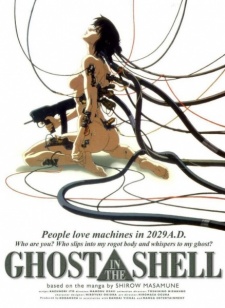
No philosophical anime list is completed without Ghost in the Shell, and no, that's not a true Scotsman fallacy ;)
Ghost in the Shell is defined by its philosophical thought and nature, mainly pertaining to identity, memory, thoughts and most importantly, consciousness.
Ghost in the Shell has played a substantial philosophical role in Western media, inspiring a plethora of related media such as the Matrix and other cyberpunk media, including relevant media such as Cyberpunk 2077 and Cyberpunk Edgerunners.
Additionally, It has fueled philosophical debates across all academia, especially on the internet. To add to that impressive achievement, Oshii Mamoru, the Director, Storyboard creator of Ghost in the Shell, also made Angel's Egg one of the most thought-provoking media ever created.
I could sing praises all day about why Ghost in the Shell is a must-watch for anyone interested in philosophical and complex anime. Unlike many other animes on this list, It's suggested for all levels and understanding of philosophy and may even inspire individuals to get into philosophy.
Ghost in the Shell is defined by its philosophical thought and nature, mainly pertaining to identity, memory, thoughts and most importantly, consciousness.
Ghost in the Shell has played a substantial philosophical role in Western media, inspiring a plethora of related media such as the Matrix and other cyberpunk media, including relevant media such as Cyberpunk 2077 and Cyberpunk Edgerunners.
Additionally, It has fueled philosophical debates across all academia, especially on the internet. To add to that impressive achievement, Oshii Mamoru, the Director, Storyboard creator of Ghost in the Shell, also made Angel's Egg one of the most thought-provoking media ever created.
I could sing praises all day about why Ghost in the Shell is a must-watch for anyone interested in philosophical and complex anime. Unlike many other animes on this list, It's suggested for all levels and understanding of philosophy and may even inspire individuals to get into philosophy.

TV, 2019,
13 eps
Me:-
Author:9
Lord El-Melloi II is a love note to Existential philosophy and embodies both Arthur Schopenhauer's Will to Life and Friedrich Nietzsche's Will to Power.
It's a story about finding meaning in life, pushing forward and blazing a path for yourself by overcoming all the cards stacked against you.
This story also takes an abstract view of love, with several characters expressing it in their own ways; the common pattern is loyalty and a desire to be remembered. Love comes in all shapes and forms, as do our personalities.
Another aspect that can be gained by watching this anime is that there are many magical techniques; there are analogies to general philosophical concepts, and Mystic Eyes represent nature and nurture as they become innate in whoever bears them.
Overall, this anime is highly recommended to anyone who enjoys mental simulation and overthinking.
It's a story about finding meaning in life, pushing forward and blazing a path for yourself by overcoming all the cards stacked against you.
This story also takes an abstract view of love, with several characters expressing it in their own ways; the common pattern is loyalty and a desire to be remembered. Love comes in all shapes and forms, as do our personalities.
Another aspect that can be gained by watching this anime is that there are many magical techniques; there are analogies to general philosophical concepts, and Mystic Eyes represent nature and nurture as they become innate in whoever bears them.
Overall, this anime is highly recommended to anyone who enjoys mental simulation and overthinking.

OVA, 2001,
3 eps
Me:-
Author:6
Malice@Doll is an Avant-garde anime about a humanoid robot sex doll who becomes human and refuses to accept she's changed.
The story deals a lot with identity introspection, nihilism and delusions mixed with a bit of religion.
"Essence proceeds Existence." is what Malice@Doll investigates in a world where meaning is ambiguous
Words alone can't explain what Malice@Doll is; I suggest checking it out with an open mind, as it gets a little absurd at some points.
The story deals a lot with identity introspection, nihilism and delusions mixed with a bit of religion.
"Essence proceeds Existence." is what Malice@Doll investigates in a world where meaning is ambiguous
Words alone can't explain what Malice@Doll is; I suggest checking it out with an open mind, as it gets a little absurd at some points.

TV, 2011,
12 eps
Me:-
Author:10
Madoka Magica is a critic of the magic girl genre that takes the established concept of what a magical girl is and adds some severe consequences to it.
It asks the viewer a critical question:
If you could become a magic girl (superhero), then what would you trade for it?
Additionally, what would you choose if you could have any wish granted as a reward? --> Would you impulsively decide on the spot? Think it over? or become overwhelmed by such an offer?
Madoka Magica is an anime driven by that question and the outcome of answering it. It's deeply routed in existentialism and nihilism, as no answer is correct as everything has consequences be it positive or negative; it's just the question of what you are willing to risk for your curiosity.
It asks the viewer a critical question:
If you could become a magic girl (superhero), then what would you trade for it?
Additionally, what would you choose if you could have any wish granted as a reward? --> Would you impulsively decide on the spot? Think it over? or become overwhelmed by such an offer?
Madoka Magica is an anime driven by that question and the outcome of answering it. It's deeply routed in existentialism and nihilism, as no answer is correct as everything has consequences be it positive or negative; it's just the question of what you are willing to risk for your curiosity.
TV, 2004,
74 eps
Me:-
Author:10
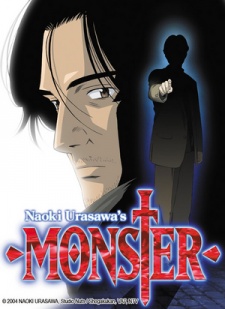
Monster is an anime that lives by its name.
It's a philosophically driven adventure littered with an abundance of twists and intelligent characters who feel believable. Even the minor characters will get arks, explaining why they view the world the way they do.
Monster teaches us about humanity and how dark the human heart can become.
The anime dives deep into both the Jungian Shadow and Freudian ID.
I
It's a philosophically driven adventure littered with an abundance of twists and intelligent characters who feel believable. Even the minor characters will get arks, explaining why they view the world the way they do.
Monster teaches us about humanity and how dark the human heart can become.
The anime dives deep into both the Jungian Shadow and Freudian ID.
I

TV, 2023,
12 eps
Me:-
Author:9
This one is pretty self-explanatory to anyone who has played the NieR games; for those who don't know, NieR is an Existential masterpiece that heavily focuses on the identities and relationships of Androids, Robots and their parallels to humanity.
The series has been dubbed the Neon Genesis Evangelion of video games, and this title still holds true today.
Many of NieR's themes focus on mental health and psychoanalytical theory and are expressed through philosophical thought/experiments littered throughout this game and, by extension, the anime.
This series includes many of Blaise Pascal's, Carl Jung's, Friedrich Nietzsche's, Jean-Paul Sartre's, and Sigmund Freud's ideas, so studying them might help you understand what is present in this anime series. As a fun tidbit, Pascal reads Blaise Pascal's book in the video game and is a direct reference to the philosopher.
This series presents many classical Existential questions, such as "Why are we here?" "What is our purpose?" and "What does it mean to be human or even alive?"
Lastly, I highly suggest playing the two games before watching the anime. The anime assumes you have played them, and because of that, many of the story elements and thoughts aren't explained well or as in-depth as they should be.
It is possible to watch this anime without playing the games, but doing so would be a great disservice to yourself and lead to confusion since this series is very convoluted, messy, and complicated, just like human emotions, which is what the series is about.
The series has been dubbed the Neon Genesis Evangelion of video games, and this title still holds true today.
Many of NieR's themes focus on mental health and psychoanalytical theory and are expressed through philosophical thought/experiments littered throughout this game and, by extension, the anime.
This series includes many of Blaise Pascal's, Carl Jung's, Friedrich Nietzsche's, Jean-Paul Sartre's, and Sigmund Freud's ideas, so studying them might help you understand what is present in this anime series. As a fun tidbit, Pascal reads Blaise Pascal's book in the video game and is a direct reference to the philosopher.
This series presents many classical Existential questions, such as "Why are we here?" "What is our purpose?" and "What does it mean to be human or even alive?"
Lastly, I highly suggest playing the two games before watching the anime. The anime assumes you have played them, and because of that, many of the story elements and thoughts aren't explained well or as in-depth as they should be.
It is possible to watch this anime without playing the games, but doing so would be a great disservice to yourself and lead to confusion since this series is very convoluted, messy, and complicated, just like human emotions, which is what the series is about.
TV, 1995,
26 eps
Me:-
Author:10
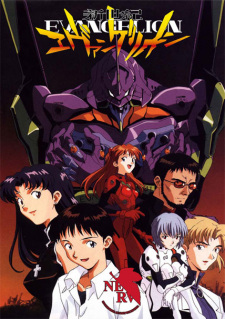
Neon Genesis Evangelion is hard to categorize into one philosophy as it is many things. So I'll use four sections to summarize its ideas without any spoilers.
First, it's a character study that relies heavily on Freudian psychoanalysis, Jungian psychoanalytic theory and Lacanian influences in general. Freudian concepts of the ID, Ego, and Superego are littered everywhere in this anime. There is also a significant focus on the Oedipus Complex, Separation Anxiety and Thanatos (death drive). At the same time, Jungian concepts of the Anima & Animus, the Collective Unconcious, the Persona, the Personal Unconcious and the Shadow are also present throughout this anime and blend perfectly with Freud and Lacan's ideas.
Secondly, it's a Japanese interpretation of the Abrahamic Religions of Christianity, Islam and Judaism. The iconography of these religions plays a massive role in the anime's plot, and having a generalized understanding of these religions or even practicing them yourself further reinforces the symbolic value of this anime. A lot of questions and debates revolve around this segment of the anime. Additionally, It focuses on the nature of evolution, the existence of God and its impact on humanity.
Thirdly, it's fundamentally an existentialist-driven anime with a heavy focus on the ideas of Søren Kierkegaard's book "The Sickness Unto Death," Jean-Paul Sartre's concept of existence proceeding essence, and Georg Wilhelm Friedrich Hegel's beliefs in general.
Fourthly, it's a dramatic mecha anime that focuses on the philosophies of its character cast and how they deal with their struggles; this ties perfectly into Søren Kierkegaard's ideas on despair and suffering, as mentioned above, and plays intensely into Arthur Schopenhauer's "Hedgehog's dilemma."
Overall, Neon Genesis Evangelion is one of the most complex anime and debated animes ever.
It's enjoyable for all philosophical understanding levels and may influence viewers to study these topics. It's a great gateway anime into both psychology and philosophy and may help whoever views it understand themselves better.
As per the creator's intent, Hideaki Anno used the anime creation as an outlet for his depression and to help others love and accept themselves, despite all the traumatic material in this anime.
Viewer discretion is advised!
First, it's a character study that relies heavily on Freudian psychoanalysis, Jungian psychoanalytic theory and Lacanian influences in general. Freudian concepts of the ID, Ego, and Superego are littered everywhere in this anime. There is also a significant focus on the Oedipus Complex, Separation Anxiety and Thanatos (death drive). At the same time, Jungian concepts of the Anima & Animus, the Collective Unconcious, the Persona, the Personal Unconcious and the Shadow are also present throughout this anime and blend perfectly with Freud and Lacan's ideas.
Secondly, it's a Japanese interpretation of the Abrahamic Religions of Christianity, Islam and Judaism. The iconography of these religions plays a massive role in the anime's plot, and having a generalized understanding of these religions or even practicing them yourself further reinforces the symbolic value of this anime. A lot of questions and debates revolve around this segment of the anime. Additionally, It focuses on the nature of evolution, the existence of God and its impact on humanity.
Thirdly, it's fundamentally an existentialist-driven anime with a heavy focus on the ideas of Søren Kierkegaard's book "The Sickness Unto Death," Jean-Paul Sartre's concept of existence proceeding essence, and Georg Wilhelm Friedrich Hegel's beliefs in general.
Fourthly, it's a dramatic mecha anime that focuses on the philosophies of its character cast and how they deal with their struggles; this ties perfectly into Søren Kierkegaard's ideas on despair and suffering, as mentioned above, and plays intensely into Arthur Schopenhauer's "Hedgehog's dilemma."
Overall, Neon Genesis Evangelion is one of the most complex anime and debated animes ever.
It's enjoyable for all philosophical understanding levels and may influence viewers to study these topics. It's a great gateway anime into both psychology and philosophy and may help whoever views it understand themselves better.
As per the creator's intent, Hideaki Anno used the anime creation as an outlet for his depression and to help others love and accept themselves, despite all the traumatic material in this anime.
Viewer discretion is advised!
Movie, 1997,
1 ep
Me:-
Author:10
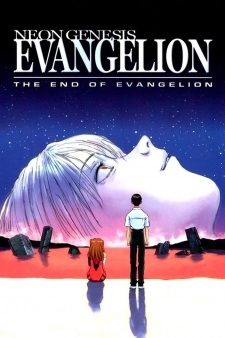
The End Of Evangelion takes all the concepts mentioned in the original series and cranks them up to 10, including the traumatic elements the series is known for.
The payout for completing the series is massive and may lead to self-realizations that can be highly uncomfortable. That said, please mentally prepare yourself before watching; viewer discretion is HEAVILY advised.
The payout for completing the series is massive and may lead to self-realizations that can be highly uncomfortable. That said, please mentally prepare yourself before watching; viewer discretion is HEAVILY advised.

Movie, 2006,
1 ep
Me:-
Author:9
Satoshi Kon, may he rest in peace, should have called Paprika "Carl Jung's Dream Adventure" because that's precisely what it is.
Paprika takes a deep dive into dreams and plays around with Carl Jung's concepts of the Personal Unconscious, the Persona/Shadow and most importantly, the Collective Unconcious.
Here's a short description of those concepts.
Personal Unconscious: Consider it a reservoir for our collected/repressed memories, feelings and thoughts.
The Persona/Shadow: the Persona is the mask we wear when we interact with society and others around us; it's a superficial creation from our Egos' so we can get others to approve of and like us.
While the Shadow is the opposite, it's the part we repress and reject for whatever reason. Society tends to paint the Shadow as the "dark" parts of ourselves, similar to Sigmund Freud's ID, minus all the sexual aspects he was fixated with. However, the Shadow is essentially another version of ourselves and lurks within us; it's neither a positive nor negative force and simply a force of nature that is our deepest, most primitive selves. According to Carl Jung, the Shadow is something we should integrate into ourselves to become the best versions of ourselves; it's like accepting two sides of the same coin. If one is paid too much attention, one becomes unbalanced; therefore, it's a constant struggle to balance the Shadow and what we identify with, aka our Egos.
The Collective Unconscious: Unlike the Personal Unconscious applies to all humans. It's where our archetypes, symbols, imagery, and human nature arise. It's a hotly debated topic, but you could argue that the Collective Unconcious is similar to human instinct and impulse. It's where all our ideas stem from, which then move into our conscious minds after we've been made aware of them. The traditional way the Collective Unconcious has been observed is through fairy tales, myths, legends, personality theories (aka personality types) and DREAMS!
Paprika's whole premise revolves around tampering with Jungian concepts and primarily focuses on manipulating dreams, and has heavily inspired/influenced the blockbuster hit "Inception."
Overall, it's a highly complex movie that is self-aware of itself and tasks its watchers with introspecting and observing themselves.
The main quote from Paprika is; This is your brain on anime.
It's highly suggested for anyone interested in philosophy, psychoanalysis and psychoanalytic theory. Especially if you have a deep understanding of Carl Jung's theories, this movie is a must-watch.
"Knowing your own darkness is the best method for dealing with the darkness's of other people. One does not become enlightened by imagining figures of light, but by making the darkness conscious. The most terrifying thing is to accept oneself completely. Your visions will only become clear when you can look into your heart. Who looks outside, dreams; who looks inside, awakes."
- Carl Jung.
Paprika takes a deep dive into dreams and plays around with Carl Jung's concepts of the Personal Unconscious, the Persona/Shadow and most importantly, the Collective Unconcious.
Here's a short description of those concepts.
Personal Unconscious: Consider it a reservoir for our collected/repressed memories, feelings and thoughts.
The Persona/Shadow: the Persona is the mask we wear when we interact with society and others around us; it's a superficial creation from our Egos' so we can get others to approve of and like us.
While the Shadow is the opposite, it's the part we repress and reject for whatever reason. Society tends to paint the Shadow as the "dark" parts of ourselves, similar to Sigmund Freud's ID, minus all the sexual aspects he was fixated with. However, the Shadow is essentially another version of ourselves and lurks within us; it's neither a positive nor negative force and simply a force of nature that is our deepest, most primitive selves. According to Carl Jung, the Shadow is something we should integrate into ourselves to become the best versions of ourselves; it's like accepting two sides of the same coin. If one is paid too much attention, one becomes unbalanced; therefore, it's a constant struggle to balance the Shadow and what we identify with, aka our Egos.
The Collective Unconscious: Unlike the Personal Unconscious applies to all humans. It's where our archetypes, symbols, imagery, and human nature arise. It's a hotly debated topic, but you could argue that the Collective Unconcious is similar to human instinct and impulse. It's where all our ideas stem from, which then move into our conscious minds after we've been made aware of them. The traditional way the Collective Unconcious has been observed is through fairy tales, myths, legends, personality theories (aka personality types) and DREAMS!
Paprika's whole premise revolves around tampering with Jungian concepts and primarily focuses on manipulating dreams, and has heavily inspired/influenced the blockbuster hit "Inception."
Overall, it's a highly complex movie that is self-aware of itself and tasks its watchers with introspecting and observing themselves.
The main quote from Paprika is; This is your brain on anime.
It's highly suggested for anyone interested in philosophy, psychoanalysis and psychoanalytic theory. Especially if you have a deep understanding of Carl Jung's theories, this movie is a must-watch.
"Knowing your own darkness is the best method for dealing with the darkness's of other people. One does not become enlightened by imagining figures of light, but by making the darkness conscious. The most terrifying thing is to accept oneself completely. Your visions will only become clear when you can look into your heart. Who looks outside, dreams; who looks inside, awakes."
- Carl Jung.

Movie, 1998,
1 ep
Me:-
Author:10
Another Satoshi Kon masterpiece, heavily inspired by Carl Jung's personality theories and personal philosophy.
This emotional rollercoaster of a movie focuses on over-identification with the Jungian Persona and its consequences on our psyches.
It's a great representation of the Persona. It dives deeply into dissociation with the self, leading to many problems and, most importantly, another Jungian theory called "The theory of Neurosis.
Here's a brief explanation:
Jung's theory of Neurosis is based on the premise that the psyche regulates itself between shared energy and information. Those components are transferred from the unconscious mind to the conscious mind naturally.
Neurosis itself isn't harmful; it means "self-division." It only becomes an issue when someone focuses too much on the Conscious aspect of ourselves (Ego, by extension, Persona) or the Unconcious mind. Over-identification causes a spit/unbalancing in the personality, which leads to many psychological issues. This is because focusing too much on the conscious mind causes us to ironically become more unconscious and impulsive because we're repressing any information we deal with and, like a deep wound ignoring it only leads to worse problems down the line.
For example, think of blind rage or a ravenous lust that compels you to take action and make choices you usually wouldn't make under normal conditions. Conversely, focusing too much on the Unconcious causes the individual to lose sight of reality and become trapped within their own subjective realities, which is horrifyingly scary.
This is the simplest way I can explain the theory, which can be directly observed in Perfect Blue.
The Jungian Shadow is also reviewed within this movie; however, it's less critical to the plot.
It's a highly psychological anime that plays with the perspective and philosophy of self-identity.
Overall, it's quite the movie and will challenge your perspective on yourself and possibly make you question what you would do in a similar situation. It shows that being a superstar isn't always what it seems. It encourages us to empathize with real-life celebrities who go through mental breakdowns due to pressures from the external world and their internalized worlds. Perfect Blue also heavily inspired the Western hit films Requiem for a Dream and Black Swan, which borrowed heavily from Satoshi Kon's work.
This emotional rollercoaster of a movie focuses on over-identification with the Jungian Persona and its consequences on our psyches.
It's a great representation of the Persona. It dives deeply into dissociation with the self, leading to many problems and, most importantly, another Jungian theory called "The theory of Neurosis.
Here's a brief explanation:
Jung's theory of Neurosis is based on the premise that the psyche regulates itself between shared energy and information. Those components are transferred from the unconscious mind to the conscious mind naturally.
Neurosis itself isn't harmful; it means "self-division." It only becomes an issue when someone focuses too much on the Conscious aspect of ourselves (Ego, by extension, Persona) or the Unconcious mind. Over-identification causes a spit/unbalancing in the personality, which leads to many psychological issues. This is because focusing too much on the conscious mind causes us to ironically become more unconscious and impulsive because we're repressing any information we deal with and, like a deep wound ignoring it only leads to worse problems down the line.
For example, think of blind rage or a ravenous lust that compels you to take action and make choices you usually wouldn't make under normal conditions. Conversely, focusing too much on the Unconcious causes the individual to lose sight of reality and become trapped within their own subjective realities, which is horrifyingly scary.
This is the simplest way I can explain the theory, which can be directly observed in Perfect Blue.
The Jungian Shadow is also reviewed within this movie; however, it's less critical to the plot.
It's a highly psychological anime that plays with the perspective and philosophy of self-identity.
Overall, it's quite the movie and will challenge your perspective on yourself and possibly make you question what you would do in a similar situation. It shows that being a superstar isn't always what it seems. It encourages us to empathize with real-life celebrities who go through mental breakdowns due to pressures from the external world and their internalized worlds. Perfect Blue also heavily inspired the Western hit films Requiem for a Dream and Black Swan, which borrowed heavily from Satoshi Kon's work.

TV, 2011,
24 eps
Me:-
Author:10
Steins;Gate is a masterclass anime regarding the quality of its story, characters, music, animation and, most importantly, its heavy philosophical undertones, which are Free Will vs Determinism. Like Berserk, Steins;Gate portrays meaningless suffering and powering it through willpower to create meaning.
While the philosophy of Steins;Gate isn't in the face of the viewer, it's present regardless.
The series revolves around breaking away from Determinism, interjecting Free Will, and, most importantly, challenging God! So it's fundamentally an Existentialist anime.
Steins;Gate also tries to keep itself grounded in science within reason; therefore, it can also be classified as a "hard sci-fi," despite its somewhat questionable logic regarding quantum physics at times. A big focus of Steins;Gate is finding a way to change destiny and experimenting with the concept of time/timelines.
To conclude, anime focuses on both philosophical concepts and scientific ones and attempts to tackle them at the same time, making it a fascinating watch for all manner of individuals who are consumed by such topics.
However, viewer discretion is advised, as this anime is filled with traumatic scenes that may make sensitive individuals incredibly uncomfortable.
El Psy Kongroo ;)
While the philosophy of Steins;Gate isn't in the face of the viewer, it's present regardless.
The series revolves around breaking away from Determinism, interjecting Free Will, and, most importantly, challenging God! So it's fundamentally an Existentialist anime.
Steins;Gate also tries to keep itself grounded in science within reason; therefore, it can also be classified as a "hard sci-fi," despite its somewhat questionable logic regarding quantum physics at times. A big focus of Steins;Gate is finding a way to change destiny and experimenting with the concept of time/timelines.
To conclude, anime focuses on both philosophical concepts and scientific ones and attempts to tackle them at the same time, making it a fascinating watch for all manner of individuals who are consumed by such topics.
However, viewer discretion is advised, as this anime is filled with traumatic scenes that may make sensitive individuals incredibly uncomfortable.
El Psy Kongroo ;)

TV, 2018,
23 eps
Me:-
Author:9
Similar to the first Steins;Gate, however, the focus has shifted toward observing depression, how it impacts individuals and overcoming it despite facing a meaningless world where our actions mean nothing in the grand scheme of the cosmos.
Steins;Gate 0 poses a few simple questions. Here are some of them:
How do you find meaning in a meaningless and cruel world?
Do you accept your fate and allow the universe to consume your very being/soul, or do you fight back despite all your efforts being in vain?
Are you willing to struggle for the sake of your dreams and ideals? And how far would you go to ensure your will defeats destiny itself? Would you challenge God, and if so, how would you do it?
Steins;Gate 0 is a rollercoaster of an anime—and dives deep into the human psychological concepts known as willpower and persistence. Your feelings will be toyed with while watching this anime, and you'll want to cherish and hug your loved ones after this rollercoaster.
It's a masterpiece and highly suggested for those who look in the face of struggling and say, "Hey, you can't stop me; I won't give up; it doesn't matter if my actions mean nothing. El Psy Kongroo ;)"
Steins;Gate 0 poses a few simple questions. Here are some of them:
How do you find meaning in a meaningless and cruel world?
Do you accept your fate and allow the universe to consume your very being/soul, or do you fight back despite all your efforts being in vain?
Are you willing to struggle for the sake of your dreams and ideals? And how far would you go to ensure your will defeats destiny itself? Would you challenge God, and if so, how would you do it?
Steins;Gate 0 is a rollercoaster of an anime—and dives deep into the human psychological concepts known as willpower and persistence. Your feelings will be toyed with while watching this anime, and you'll want to cherish and hug your loved ones after this rollercoaster.
It's a masterpiece and highly suggested for those who look in the face of struggling and say, "Hey, you can't stop me; I won't give up; it doesn't matter if my actions mean nothing. El Psy Kongroo ;)"
OVA, 1985,
1 ep
Me:-
Author:7
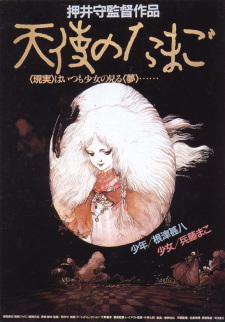
Angel's Egg is an enigma of an anime that feels more like an Avant-garde art piece than an anime. In a way, it's similar to an ink plot and reflects itself onto the viewer revealing more about yourself than the actual movie itself.
Angel's Egg is also littered with religious symbology and evokes primal fear; it's a very stressful anime to watch as it forces you to introspect its extremely ambiguous world through your own projections.
This type of anime watches you as much as you watch it and is quite the experience.
Angel's Egg is also littered with religious symbology and evokes primal fear; it's a very stressful anime to watch as it forces you to introspect its extremely ambiguous world through your own projections.
This type of anime watches you as much as you watch it and is quite the experience.

TV, 2003,
22 eps
Me:-
Author:9
Texhnolyze is so complicated and convoluted that I can't summarize this stack even a few months after finishing the series. So, for the moment, this one will be a "Work In Progress."
Regardless, this series is highly recommended to the most hardcore and philosophically driven individuals because it's not for the faint of heart. It has many extremely disturbing and dark philosophical themes that really focus on nihilistic depression and the struggle to cope with it through existential crises of identity, purpose and tribal bonds (Family).
The story focuses on human extremes of evolution from the perspective of one of the most primitive men in all anime (The guy on the cover art).
Texhnolyze showcases one of the most bizarre "JoJo's Bizzare Adventure"-level plots regarding that same evolution. This anime feels like many stories all streamed into one collective experience, as wild as that sounds. It's a very contradictory anime as it's both introverted (self-examining and reflective) and extroverted (focused on the external world).
This is because the city itself is the main character, along with all the other characters. Everyone in this anime is somewhat essential to the plot, and all their collective actions paint this messy story. In a way, it's its own self-examination. It's the type of anime that doesn't care about what you think about it and does what it wants regardless of entertainment value.
On the topic of philosophy:
1. What is clear is that Friedrich Nietzsche and his Ãœbermensch concept play a considerable role in Texhnolyyze, which takes place in a world without inherent meaning that is trying to discover itself.
2. In this series, the ideas of Transhumanism and Humanism are constantly at odds, and both provide valid arguments.
3. The Will to Power (Nietzsche) and the Will to Live (Schopenhauer) are also constantly at odds in this anime. In simple terms, both philosophies are constantly at war in this series.
This list will be updated as I rewatch this series and attempt to understand it further. On the bright side, it's highly re-watchable. On the negative side, it's equally as traumatic.
Regardless, this series is highly recommended to the most hardcore and philosophically driven individuals because it's not for the faint of heart. It has many extremely disturbing and dark philosophical themes that really focus on nihilistic depression and the struggle to cope with it through existential crises of identity, purpose and tribal bonds (Family).
The story focuses on human extremes of evolution from the perspective of one of the most primitive men in all anime (The guy on the cover art).
Texhnolyze showcases one of the most bizarre "JoJo's Bizzare Adventure"-level plots regarding that same evolution. This anime feels like many stories all streamed into one collective experience, as wild as that sounds. It's a very contradictory anime as it's both introverted (self-examining and reflective) and extroverted (focused on the external world).
This is because the city itself is the main character, along with all the other characters. Everyone in this anime is somewhat essential to the plot, and all their collective actions paint this messy story. In a way, it's its own self-examination. It's the type of anime that doesn't care about what you think about it and does what it wants regardless of entertainment value.
On the topic of philosophy:
1. What is clear is that Friedrich Nietzsche and his Ãœbermensch concept play a considerable role in Texhnolyyze, which takes place in a world without inherent meaning that is trying to discover itself.
2. In this series, the ideas of Transhumanism and Humanism are constantly at odds, and both provide valid arguments.
3. The Will to Power (Nietzsche) and the Will to Live (Schopenhauer) are also constantly at odds in this anime. In simple terms, both philosophies are constantly at war in this series.
This list will be updated as I rewatch this series and attempt to understand it further. On the bright side, it's highly re-watchable. On the negative side, it's equally as traumatic.

TV, 1998,
26 eps
Me:-
Author:7
When most people think of Trigun, they don't think of philosophical anime, but they couldn't be more wrong.
Trigun is fundamentally about Vash's usage of Kantian ethics regarding the rule of not killing anyone and trying to save everyone despite the danger they pose to others, therefore causing more death, but indirectly.
Trigun takes a radical approach to Kant's ethics and critiques its inflexibility through Vash's character, who chooses to love everyone despite their choices. Knives, another essential character to the plot, is the opposite and focuses on extreme utilitarianism.
The anime functions in a "villain of the week" type setup, and each one of these villains challenges Vash's ethics in unique ways. As a footnote, the anime gets quite dark in these methods; genocide isn't off the table in Trigun; that being said, viewer discretion is advised for sensitive viewers.
The main issue with Trigun is a lot of the content added to the anime itself is filler, so getting to the philosophical aspects of the show will require patience. However, it will pay off and portray the weakness of taking extreme positions regarding both Kantian and utilitarian ethics.
The core question of the anime is this:
If a butterfly is caught in a spider web, is it right to save it?
If you rescue the butterfly by breaking the net, won't the spider starve?
How do you find a way to save both the spider and the butterfly?
Is there a way?
Trigun is fundamentally about Vash's usage of Kantian ethics regarding the rule of not killing anyone and trying to save everyone despite the danger they pose to others, therefore causing more death, but indirectly.
Trigun takes a radical approach to Kant's ethics and critiques its inflexibility through Vash's character, who chooses to love everyone despite their choices. Knives, another essential character to the plot, is the opposite and focuses on extreme utilitarianism.
The anime functions in a "villain of the week" type setup, and each one of these villains challenges Vash's ethics in unique ways. As a footnote, the anime gets quite dark in these methods; genocide isn't off the table in Trigun; that being said, viewer discretion is advised for sensitive viewers.
The main issue with Trigun is a lot of the content added to the anime itself is filler, so getting to the philosophical aspects of the show will require patience. However, it will pay off and portray the weakness of taking extreme positions regarding both Kantian and utilitarian ethics.
The core question of the anime is this:
If a butterfly is caught in a spider web, is it right to save it?
If you rescue the butterfly by breaking the net, won't the spider starve?
How do you find a way to save both the spider and the butterfly?
Is there a way?