The "Anime Songs" - History of Anime Music - Chapter 1 (1963 - 1982)
Anime
This is the first part of a collection of articles where I aim to explore the evolution of anime related music. This part of the list attempts to collect a list of most iconic "Anime Songs".
The term "Anime Songs" used in this list refers to the theme songs that have a strong connection to the series demonstrated by their lyrics and the emotion invoked by the song related to the series. Essentially the song and the lyrics talk about the series or the characters in a direct manner forming a direct link between the performance and the series in question.
These types of theme songs were more common and popular before 1980s. The defining moment that can be said had influence on changing the theme songs away from this model is the popularity of the series "Urusei Yatsura" and how it used to promote a several "tie-up" songs that in contrast to "Anime Songs" by their nature don't necessarily have anything to do with the series, story or the characters.
I will write my thoughts on each of the entries on this list to further explain why I think the series and the theme songs included as a combined package have attained "iconic" status when it comes to the scene of "Anime Songs" in contrast to the "tie-up songs". I will also give a score related on how deeply intertwined I see the series and the performance related to the theme songs as a part of the experience as a whole. The series are ordered based on that score.
The term "iconic" in this list is defined by the popularity and how deeply established the meaning and the lyrical elements of the performance are in addition of them being intertwined with the series as a whole experience.
This list does not include iconic "tie-up songs" or other songs that by their lyrics or meaning do not establish a significant connection to the series, characters or the story.
More info about "Anime Songs" and "tie-up songs" and how they affect the performance from the perspective of the singer in this interview: https://www.cinra.net/article/interview-201509-horiemitsuko
Related stacks:
Chapter 1 - https://myanimelist.net/stacks/24451
Chapter 2 - https://myanimelist.net/stacks/24454
Chapter 3 - https://myanimelist.net/stacks/24455
The Four Kings:
Mitsuko Horie - https://myanimelist.net/stacks/9754
Ichiro Mizuki - https://myanimelist.net/stacks/15851
Kumiko Oosugi - https://myanimelist.net/stacks/24461
Isao Sasaki - https://myanimelist.net/stacks/24460
The term "Anime Songs" used in this list refers to the theme songs that have a strong connection to the series demonstrated by their lyrics and the emotion invoked by the song related to the series. Essentially the song and the lyrics talk about the series or the characters in a direct manner forming a direct link between the performance and the series in question.
These types of theme songs were more common and popular before 1980s. The defining moment that can be said had influence on changing the theme songs away from this model is the popularity of the series "Urusei Yatsura" and how it used to promote a several "tie-up" songs that in contrast to "Anime Songs" by their nature don't necessarily have anything to do with the series, story or the characters.
I will write my thoughts on each of the entries on this list to further explain why I think the series and the theme songs included as a combined package have attained "iconic" status when it comes to the scene of "Anime Songs" in contrast to the "tie-up songs". I will also give a score related on how deeply intertwined I see the series and the performance related to the theme songs as a part of the experience as a whole. The series are ordered based on that score.
The term "iconic" in this list is defined by the popularity and how deeply established the meaning and the lyrical elements of the performance are in addition of them being intertwined with the series as a whole experience.
This list does not include iconic "tie-up songs" or other songs that by their lyrics or meaning do not establish a significant connection to the series, characters or the story.
More info about "Anime Songs" and "tie-up songs" and how they affect the performance from the perspective of the singer in this interview: https://www.cinra.net/article/interview-201509-horiemitsuko
Related stacks:
Chapter 1 - https://myanimelist.net/stacks/24451
Chapter 2 - https://myanimelist.net/stacks/24454
Chapter 3 - https://myanimelist.net/stacks/24455
The Four Kings:
Mitsuko Horie - https://myanimelist.net/stacks/9754
Ichiro Mizuki - https://myanimelist.net/stacks/15851
Kumiko Oosugi - https://myanimelist.net/stacks/24461
Isao Sasaki - https://myanimelist.net/stacks/24460
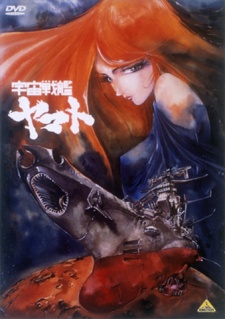
TV, 1974,
26 eps
Me:-
Author:10
The performance of Isao Sasaki in the opening theme of the series has become synonymous with the series with the strength and the emotion presented in the performance.
The song itselft I'd say is the ultimate example of the pinnacle of emotion and investment in realtion to the series achieved by the performance and the experience of the performance linked to the series.
The other songs presented in the series do not fall far behind of the opening theme. When talking about "Iconic" songs in anime, this series and the songs presented as a part of the series inevitably is one of the top contenders.
Score: 100/100
The song itselft I'd say is the ultimate example of the pinnacle of emotion and investment in realtion to the series achieved by the performance and the experience of the performance linked to the series.
The other songs presented in the series do not fall far behind of the opening theme. When talking about "Iconic" songs in anime, this series and the songs presented as a part of the series inevitably is one of the top contenders.
Score: 100/100

TV, 1976,
115 eps
Me:-
Author:10
Another incredibly iconic theme song "Candy Candy" performed by Mitsuko Horie, the song is in perfect harmony with the series and how it is presented with the emotional preesence and the character both of which are developed already during this incredible performance.
Other songs in the series only further establish the iconic nature of these performances in relation to the experience related to the series.
Score: 99/100
Other songs in the series only further establish the iconic nature of these performances in relation to the experience related to the series.
Score: 99/100
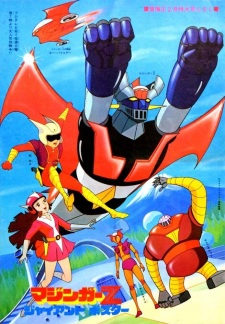
TV, 1972,
92 eps
Me:-
Author:10
The incredibly powerful performance of Ichiro Mizuki in the theme song of this series not only defines his career as a singer but also defines the essence found in this series and served as a groundwork for many of the similar robot themed series.
The essence of the performance has essentially become one with the series itself and the themes of the performance only serve as a further enhancement to the themes presented in the series.
The other songs presented in the series do not fall behind on the linkage and the emotion that they present as a part of the experience.
Score: 98/100
The essence of the performance has essentially become one with the series itself and the themes of the performance only serve as a further enhancement to the themes presented in the series.
The other songs presented in the series do not fall behind on the linkage and the emotion that they present as a part of the experience.
Score: 98/100
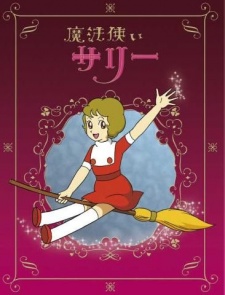
TV, 1966,
109 eps
Me:-
Author:10
The theme song by itself established a foothold in a new market and the connection with the market was established in quick fashion when it comes to the performance itself.
The character and the peresteation of the story are developed during the performance and the linkage with the experience as a whole I'd say is one of the highest on this list.
Score: 96/100
The character and the peresteation of the story are developed during the performance and the linkage with the experience as a whole I'd say is one of the highest on this list.
Score: 96/100

TV, 1969,
94 eps
Me:-
Author:10
A similar presentation than in Mahoutsukai Sally however the presentation utilized an alternative approach to the premise and thus allowed another perspective for the linkage of the elements presented in the performance when compared to the series itself.
Score: 95/100
Score: 95/100

TV, 1969,
? eps
Me:-
Author:10
The series itself is so iconic that the theme songs presented in the series only further solidify the experience and the performance relating to the experience.
Score: 94/100
Score: 94/100

TV, 1963,
193 eps
Me:-
Author:9
Another iconic series with a theme song that essentially laid groundwork for essentially everyhting else as far as the performance goes as a part of the experience.
Score: 92/100
Score: 92/100

TV, 1977,
108 eps
Me:-
Author:10
The series that essentially defined the "Time Bokan" series as far as the performance goes even more than the original "Time Bokan" that by itself I'd put relatively high in the list as well. But in Yatterman the performance is integral part of the experience as a whole.
Score: 92/100
Score: 92/100

TV, 1979,
1787 eps
Me:-
Author:9
One of the most iconic performances by itself out there, the overall linkage to the series is also about as strong as it gets.
Score: 92/100
Score: 92/100

TV, 1968,
65 eps
Me:-
Author:9
The presentation establishes its functional linkage to the series relatively early and continues that throughout the presentation. Essentially the approach utilized in the performance results in a connection that is impossible to sever from the experience when it comes to the series as a whole.
Score: 92/100
Score: 92/100
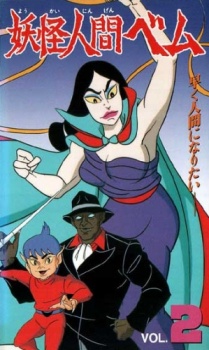
TV, 1968,
26 eps
Me:-
Author:9
Icredibly iconic performance that almost overshadows the experience by itself, but I'd say that the experience doesnt fall much behind when compared to the performance on its own.
Score: 91/100
Score: 91/100

TV, 1979,
43 eps
Me:-
Author:9
Iconic performance and the experience is essentially intertwined with the portrayal found in the performance essentially serving as a leading force in the series.
Score: 91/100
Score: 91/100

TV, 1973,
25 eps
Me:-
Author:10
The performance provides an interesting approach linking the presentation of the two main markets together with a strong portrayal linked to the experience as a whole.
Score: 90/100
Score: 90/100

TV, 1969,
105 eps
Me:-
Author:10
Performance builds its reliance to the experience on the burst of choreographic combination of the elements in the audio and the visual presentation established in the series itself.
Score: 90/100
Score: 90/100
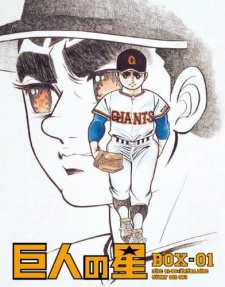
TV, 1968,
182 eps
Me:-
Author:10
A very powerful performance establishes the character and the relationship between the characters in multiple fronts almost instantly.
Score: 90/100
Score: 90/100

TV, 1978,
113 eps
Me:-
Author:10
Very powerful and iconic performance portraying the emotion presented and explored in the series in a manner that establishes the further enhancement of the themes presented in the series and experience as a whole.
Score: 90/100
Score: 90/100

TV, 1969,
104 eps
Me:-
Author:10
Performance relies on drawing further connection to the main market, audeince and the initial character while also presenting the passion and emotion linked to the experience and to series as a whole.
Score: 89/100
Score: 89/100

TV, 1978,
42 eps
Me:-
Author:9
A thematic performance establishing the initial setup of the character and the presentation of the emotion in the series.
Score: 89/100
Score: 89/100

TV, 1973,
26 eps
Me:-
Author:10
Emotional performance explores the struggle and "youth" that are presentred in the series by linking the experience of the emotional setup to the culmiantion points established in the experience as a whole.
Score: 89/100
Score: 89/100

TV, 1974,
72 eps
Me:-
Author:10
After Cutey Honey the performance here was more shifted but the as far as the experience goes the portrayal is about as essential.
Score: 89/100
Score: 89/100

TV, 1970,
79 eps
Me:-
Author:10
Emotion in the focus of the perofrmance with a direct link to the culmination and the "character" found in the series.
Score: 89/100
Score: 89/100
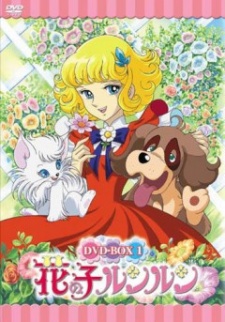
TV, 1979,
50 eps
Me:-
Author:10
The performance presents itself in similar manner than in the series "Candy Candy" but the experience falls bit short on the grounds that were established by the initial performance.
Score: 89/100
Score: 89/100

TV, 1975,
26 eps
Me:-
Author:10
Instanly establishes the emotional linkage with the setting and the "character" the performance also highlights the "culmination points" found in the series.
Score: 88/100
Score: 88/100

TV, 1976,
39 eps
Me:-
Author:10
The duality of the series is established instantly in the performance and the theme is also explored in depth during the performance this I'd say puts the performance on another level when it comes to the initial impact to the experience as a whole.
Score: 88/100
Score: 88/100

TV, 1972,
39 eps
Me:-
Author:10
A strong presentation of the "character" and how the "character" is experienced as a part of the series.
Score: 88/100
Score: 88/100
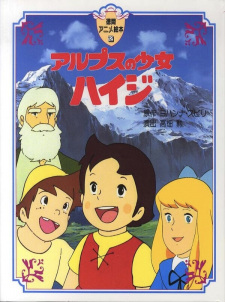
TV, 1974,
52 eps
Me:-
Author:10
The essential performance when it comes to the WMT series and the whole experience reflects the "emotion" represented in the performance.
Score: 88/100
Score: 88/100

TV, 1977,
40 eps
Me:-
Author:10
Establishes a new form and brings forward a new approach to the experience related to the market and how the audience finds the connection to the series.
Score: 87/100
Score: 87/100

TV, 1974,
56 eps
Me:-
Author:10
Falling bit behind from the initial series by its impact and the establishment of the emotion presented in the initial setup.
Score: 87/100
Score: 87/100

TV, 1969,
52 eps
Me:-
Author:10
The contrast of the performances reflect the "dual" nature found in the series and its philosophy and because of that I'd say the experience is only furhter enhanced.
Score: 87/100
Score: 87/100

TV, 1973,
39 eps
Me:-
Author:10
Another performance relating to the establishment of the character and initial portrayl of the key elements in the series.
Score: 86/100
Score: 86/100

TV, 1971,
40 eps
Me:-
Author:10
Performance presents itself as a parallel to the experience as a whole while intertwining itself to the complex philosophy explored in the series.
Score: 86/100
Score: 86/100

TV, 1977,
23 eps
Me:-
Author:10
A strong performance relates mostly to the setup of the experience rather than the culmination.
Score: 86/100
Score: 86/100
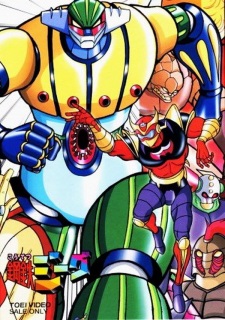
TV, 1975,
46 eps
Me:-
Author:10
The culmination is highlighted in the performance.
Score: 86/100
Score: 86/100

TV, 1979,
52 eps
Me:-
Author:10
Falling behind Yatterman but the performance plays integral role in the series.
Score: 86/100
Score: 86/100

TV, 1974,
51 eps
Me:-
Author:9
Utilises an established performance relating to the initial culmination of the series and how it is established as a part of the experience as a whole.
Score: 85/100
Score: 85/100

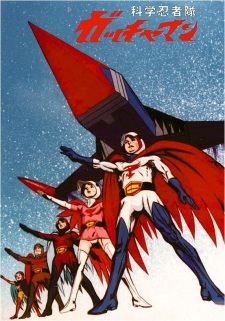
TV, 1972,
105 eps
Me:-
Author:10
The performance by itself retains itself by its iconic presence. However the series provides a minimal conflic in the relation of the performances at points that do not align with each other as part of the experience as a whole.
Score: 84/100
Score: 84/100

TV, 1969,
65 eps
Me:-
Author:10
more of a character focused performance setting up the initial experience.
Score: 84/100
Score: 84/100

TV, 1972,
103 eps
Me:-
Author:10
The premise of the performance provides a starting point for the experience as a whole.
Score: 83/100
Score: 83/100

TV, 1978,
42 eps
Me:-
Author:10
The performance similar to Voltes V presents an alternative route and approach to connecting the market with the experience. This is done with an "attractive" presentation that utlises the visual portrayal of the emotion linked with the experience and the performance itself.
Score: 83/100
Score: 83/100

TV, 1975,
296 eps
Me:-
Author:9
Famous performance linked with the iconic approach.
Score: 82/100
Score: 82/100
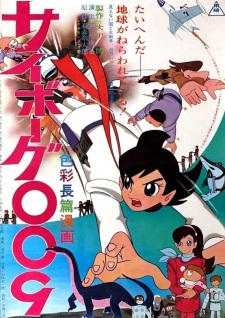


TV, 1975,
74 eps
Me:-
Author:10
Performance still strong but the culmination and the "presentation" of the culmination takes a different tone than in the related series.
Score: 82/100
Score: 82/100


TV, 1971,
26 eps
Me:-
Author:10
Emotion emphasised in the performance
Score: 80/100
Score: 80/100

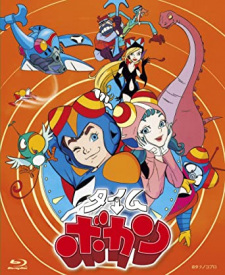
TV, 1975,
61 eps
Me:-
Author:10
The original series that presented the foundation of the performance found in Yatterman. The experience in this series however falls short on that performance.
Score: 78/100
Score: 78/100


TV, 1981,
195 eps
Me:-
Author:10
Ushered essentially a new approach to the performance as model of presenting the performance as a whole. However the series still contains partly some of the "old" model as well.
New model was more of a "performance" focused and aimed to sell the performance on its own and presenting the linkage to the experience as a "ame only" type of thing.
Score: 71/100
New model was more of a "performance" focused and aimed to sell the performance on its own and presenting the linkage to the experience as a "ame only" type of thing.
Score: 71/100
More Like This
More

Challenge Interest Stacks

Time ended

Time ended

Time ended

Time ended

Time ended
Time ended
MyAnimeList Interest Stacks